Perception

PSY 511.001 Spr 2026

Rick Gilmore

Department of Psychology

Prelude

TheWhoVEVO (2016)

Friday 5-8 Three Dots

Friday 5-8 Three Dots

Saturday 7p University Mennonite Church

Saturday 7p University Mennonite Church

Announcements

Today’s topics

  • The big picture
  • Sensory processing
  • Deep dive: Vision

Warm-up

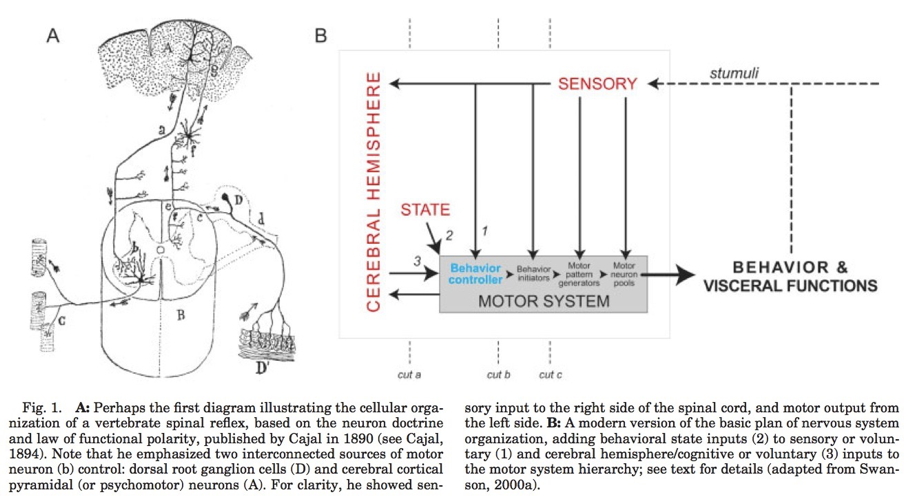
Why is the myotatic stretch reflex important?

  • A. It helps maintain body stability against external perturbation.
  • B. It is the most famous complete and monosynaptic perception/action circuit we know of.
  • C. It illustrates feedback control.
  • D. All of the above

Why is the myotatic stretch reflex important?

  • A. It helps maintain body stability against external perturbation.
  • B. It is the most famous complete and monosynaptic perception/action circuit we know of.
  • C. It illustrates feedback control.
  • D. All of the above

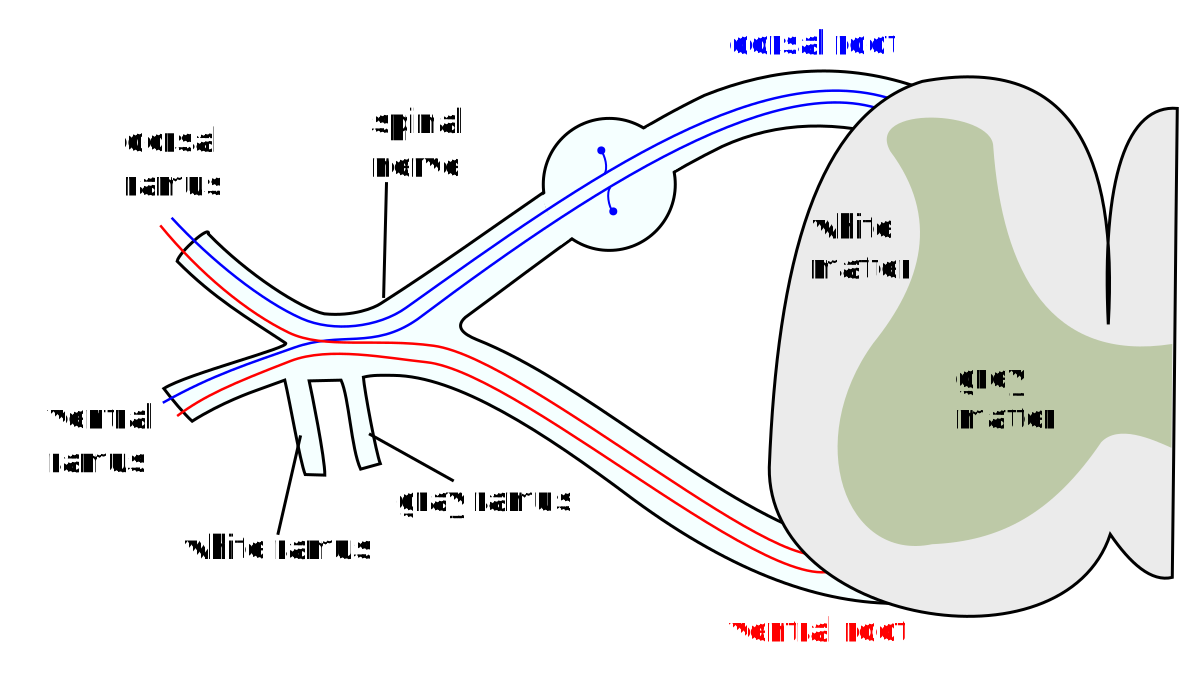
Motor neuron axons emerge from this part of the spinal cord.

  • A. Dorsal root
  • B. Ventral root
  • C. Cerebellum
  • D. Motor cortex (M1)

Motor neuron axons emerge from this part of the spinal cord.

  • A. Dorsal root
  • B. Ventral root
  • C. Cerebellum
  • D. Motor cortex (M1)

Wikipedia

Wikipedia1

This is a a critical neural substrate for individuated movement of the fingers and vocal apparatus in humans.

  • A. Feedback from the cerebellum.
  • B. Feedforward information from the basal ganglia.
  • C. Large motor neurons in Layer 5 of M1.
  • D. Direct connections between M1 and motor neurons.

This is a a critical neural substrate for individuated movement of the fingers and vocal apparatus in humans.

  • A. Feedback from the cerebellum.
  • B. Feedforward information from the basal ganglia.
  • C. Large motor neurons in Layer 5 of M1.
  • D. Direct connections between M1 and motor neurons.

The big picture

Perception/action systems

Gibson (1966)

Gibson (1966)

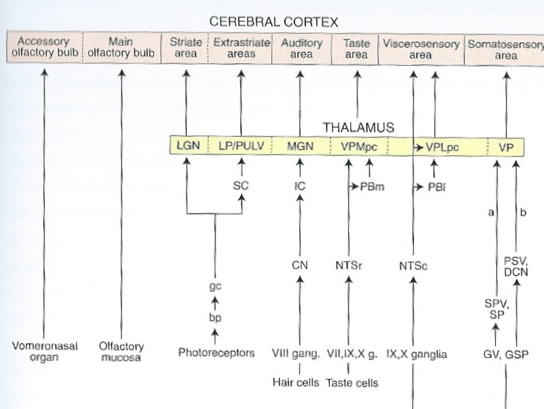
Swanson (2012) Figure 10.2

Swanson (2012) Figure 10.2

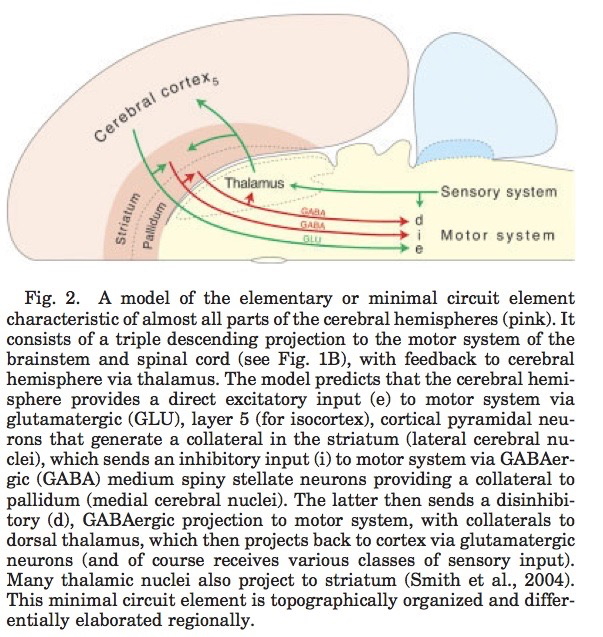
Swanson (2005) Figure 1

Swanson (2005) Figure 1

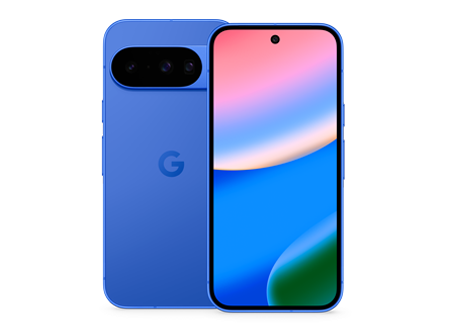
Multisensory smartphones

  • Accelerometer
  • Gyroscope
  • Magnetometer
  • Proximity sensor
  • Ambient light sensor

  • Barometer
  • Thermometer
  • Mic
  • Camera
  • Radios (Bluetooth, wifi, cellular, GPS)

Dimensions

  • Interoceptive
    • Body position, movement, posture
    • Internal status
  • Exteroceptive
    • Layout of environment, contents
flowchart TD
  N[Nervous System] -- autonomic --> B[Body]
  N -- somatic --> B
  N -- endocrine --> B
  B --->|interoception| N
  B --->|action| W[World]
  W --->|perception| B
  B --->|exteroception| N
Figure 1: Schematic of information flows into and out of the nervous system.

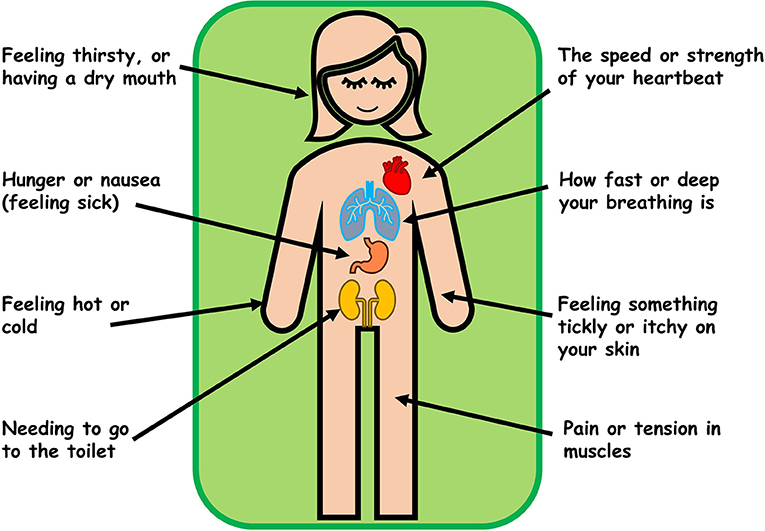
Questions for interoception

  • Tired or rested?
  • Well or ill?
  • Hungry or thirsty or sated?
  • Stressed vs. coping?
  • Emotional state?
  • Position of body

Barker, Brewer, & Murphy (2021)

Barker et al. (2021)

“Scripps research-led team receives $14.2M NIH award to map the body’s ‘hidden sixth sense’” (2025)

“Scripps research-led team receives $14.2M NIH award to map the body’s ‘hidden sixth sense’ (2025)

Questions for exteroception

  • Who/What is out there?
  • Animate/inanimate?
    • Conspecific (same species)/non?
    • Threat/non?
    • Familiar/un?
    • Mate/non? or Friend/not?
    • Food source/non

Questions for exteroception

  • Where is it?
    • Distance
      • Proximal2
      • Distal3
    • Elevation, azimuth4
  • Coordinate frames
    • Self/ego (left of me)
    • Object (top of object)
    • Allo/world (North of College)
  • Where moving?

Causal chains

  • Behaviorally relevant conditions, events, and entities…
  • Generate…
    • Chemical signals
    • Photic/electromagnetic patterns
    • Mechanical/acoustic patterns
  • That specialized sensors detect, and
  • Neural circuitry responds to
  • That yield internal states (short- and long-term)
  • That cause actions
  • That cause perceptions…

Sensory Processing

Physics of sensation

Informal name Source
Vision Electromagnetic radiation
Audition Mechanical vibration in air/water
Touch Mechanical vibration of skin on surface
Vestibular Rotation & linear acceleration of head
Olfaction Chemical patterns in air/water

Physics of sensation

Informal name Source
Gustation Chemical patterns in mouth
Electroception Electromagnetic radiation
Magnetoreception Electromagnetic radiation patterns
Kinesthesia Position, velocity, acceleration of limbs, body

From \(\Phi\) to \(\Psi\)

  • What is the energy/chemical channel?
  • Channels carry different types of information about
    • What is out there?
    • Where is it located or moving?
  • Convey information at different rates, with varied precision
  • Information often signaled by multiple sources

Vision

  • Source: Electromagnetic radiation
    • Reflected from surfaces
  • What is it?
    • Shape, size, surface properties (color, texture, reflectance, etc.)
    • Wavelength/frequency, intensity

Wikipedia

Wikipedia5

Vision

  • Where is it?
    • Position: Left/right; up/down on retina
    • Near/far: retinal disparity, interposition, height above horizon…
    • Orientation, motion

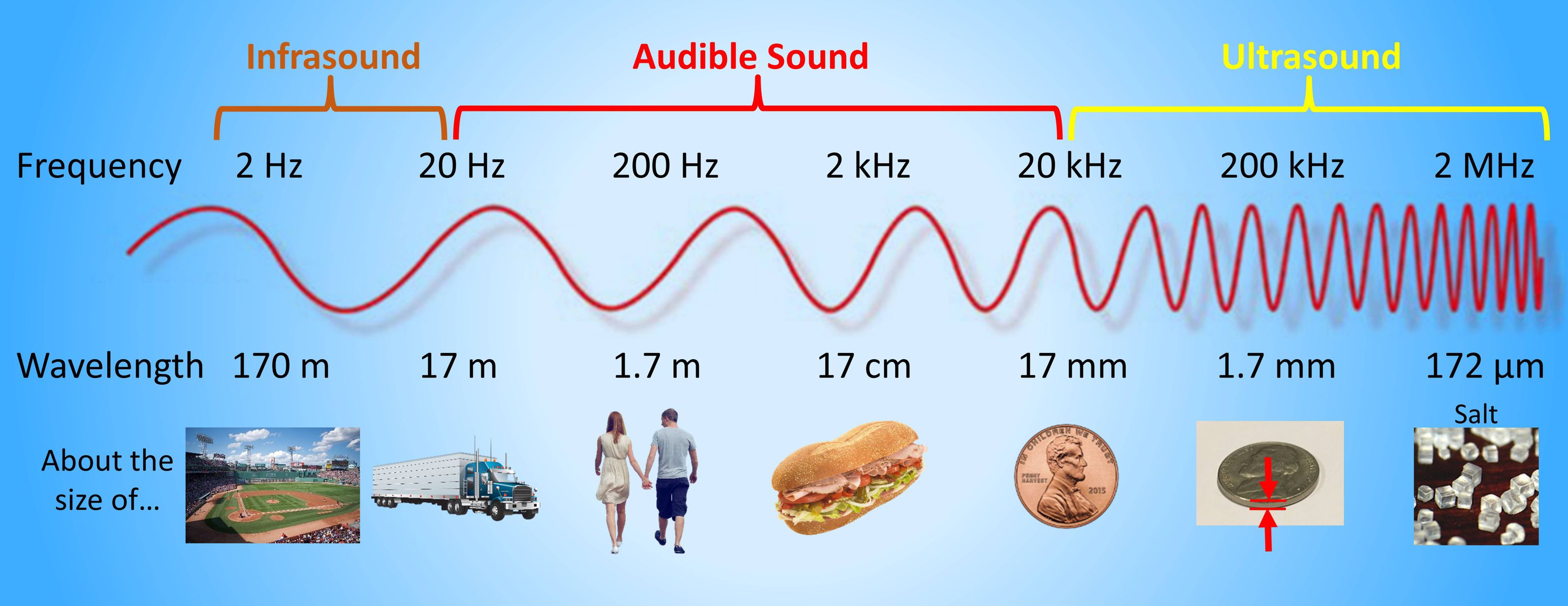
Audition

  • Source: Mechanical vibrations in air or water
  • What is it?
    • Pattern of frequencies, amplitudes, durations
  • Where is it?
    • Left/right or up/down: Interaural time/phase, intensity differences, pinnae filtering
    • Motion: Frequency shifts via Doppler effect

acoustics.byu.edu

acoustics.byu.edu

Chemosensation

  • Source: Chemicals in mouth, nasal cavity
  • What is it?
    • Mixtures of chemicals
  • Where is it?
    • Left/right; up/down; near/far via intensity gradients

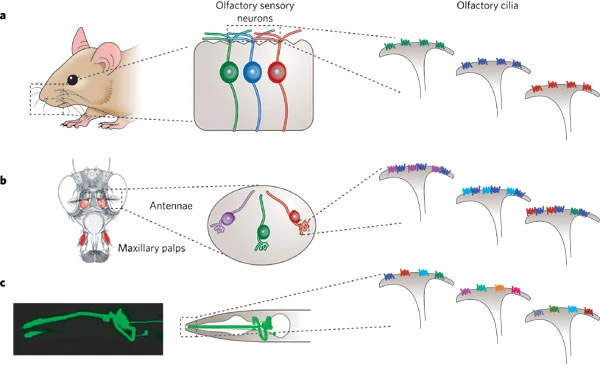
Bargmann (2006) Figure 2

Bargmann (2006) Figure 26

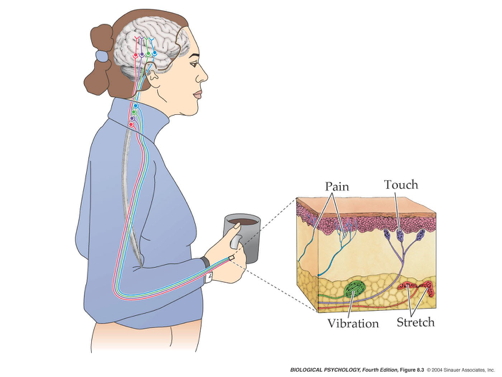
Somatosensation

  • Source: Thermal or mechanical stimulation (vibration/pressure) of skin
  • What is it?
    • Shape, size, smoothness, mass, temperature, deformability: Pattern of stimulation
  • Where it it?
    • Pattern of cutaneous receptors on skin

Interoception

  • Hunger/thirst
    • Receptors for nutrient, fluid levels
  • Energy levels
    • Receptors for hormones, NTs
    • ANS responses
  • Temperature
    • Receptors in skin, viscera

Namkung, Kim, & Sawa (2017) Figure 2

Namkung et al. (2017) Figure 27

Interoception

  • Mating interest
    • Receptors for hormones, NTs
    • ANS responses
  • Body position & movement (proprioception)
    • Receptors in muscles, joints, skin

Namkung et al. (2017) Figure 2

Namkung et al. (2017) Figure 2

Namkung et al. (2017) Figure 2

Namkung et al. (2017) Figure 2

Features of sensory signals

Change across time

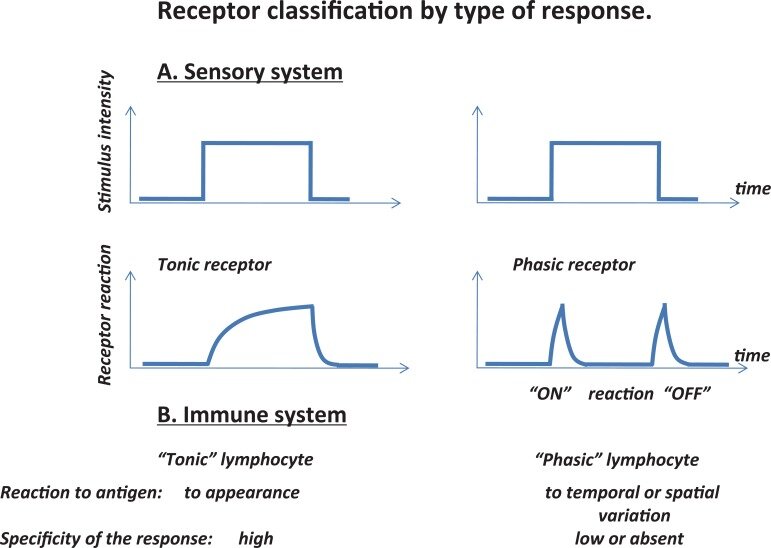
  • Tonic (sustained)
  • vs. phasic (transient) responses

Dozmorov (2011) Figure 1

Dozmorov (2011) Figure 18

Change across time

  • Adaptation/habituation
  • Sensitization
  • Most sensory systems attuned to change

Herman (2013) Figure 3

Herman (2013) Figure 39

Scientific \(\Psi\) began with perception

  • Psychophysics (mid-1800s)
  • How precisely do human observers detect physical properties?
  • Emphasisis on quantitative relationships, precise measurement
  • More: Wikipedia contributors (2025b)

Gustav Fechner (Wikipedia)

Gustav Fechner (Wikipedia)

Perception not linear

  • Just noticeable difference (JND)
    • How much of a change is noticeable?
    • Slope of psychophysical function
    • JND usually a nonlinear function of absolute intensity (\(S=k\ln{I}\))

Perception not linear

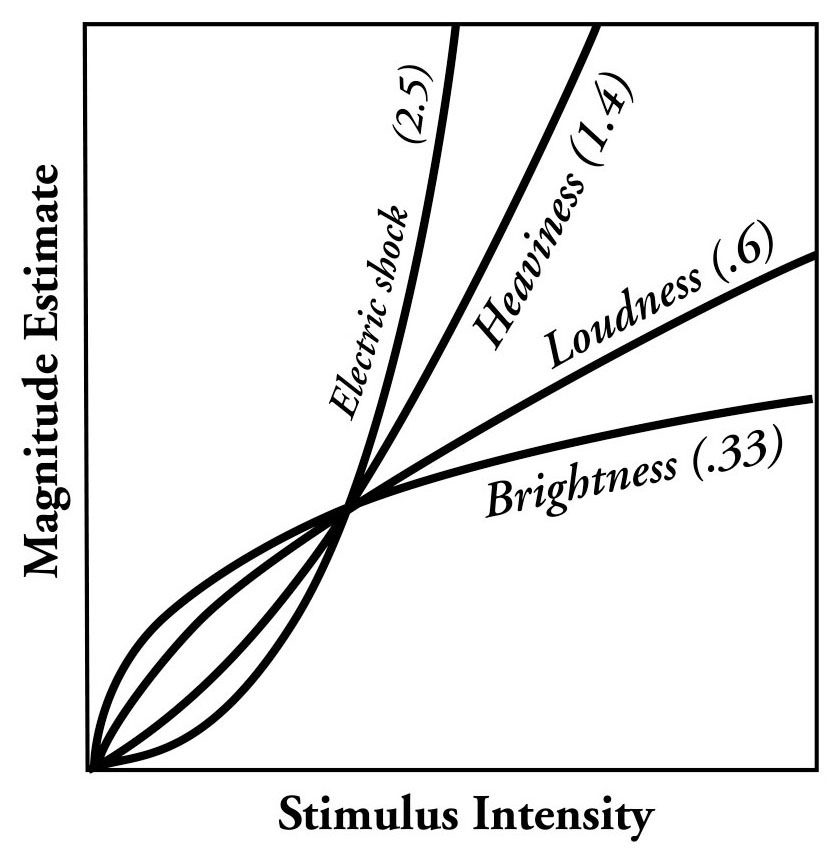
  • Steven’s power law (\(\psi{I}=kI^\alpha\)), Wikipedia contributors (2025a)
  • Group, average functions
  • Ignores

Beyond JNDs

Are other types of self-reported intensity or magnitude judgments non-linear?

For example, “How happy are you on a scale from 1 to 5?”

If so, what are the implications?

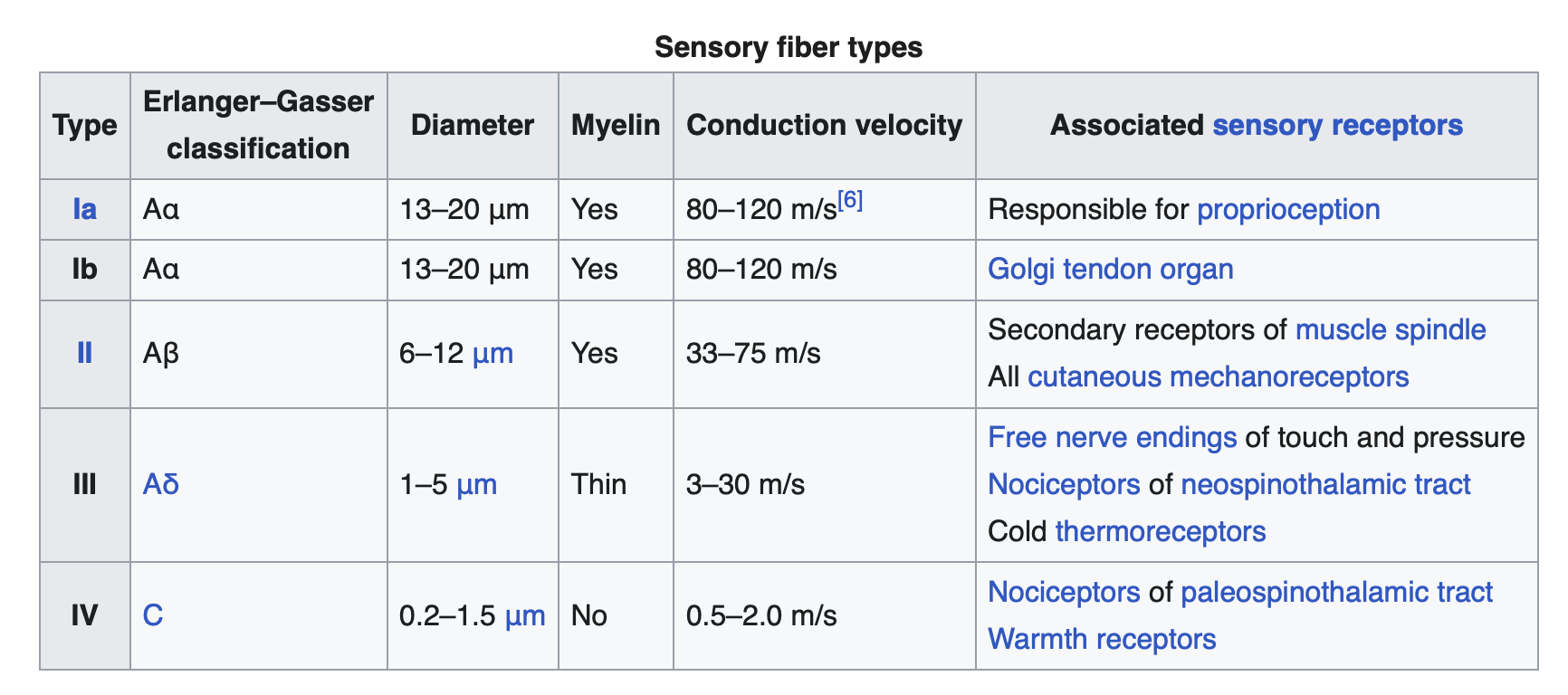
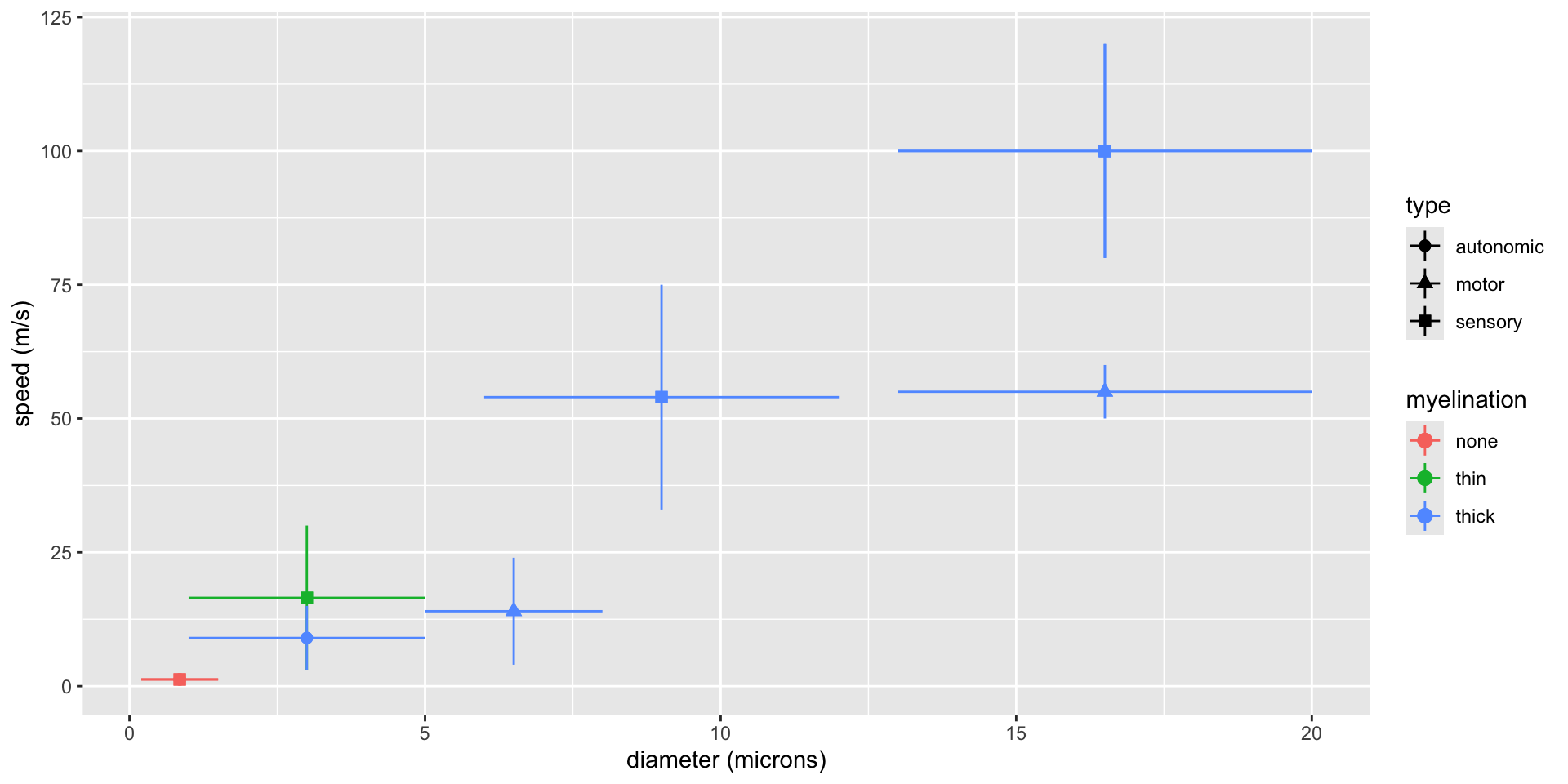
Project to CNS at different speeds

  • Bigger diameter axon fiber: Faster
  • Thicker myelin sheath around axon: Faster

Wikipedia contributors (2025c)

Wikipedia contributors (2025c)
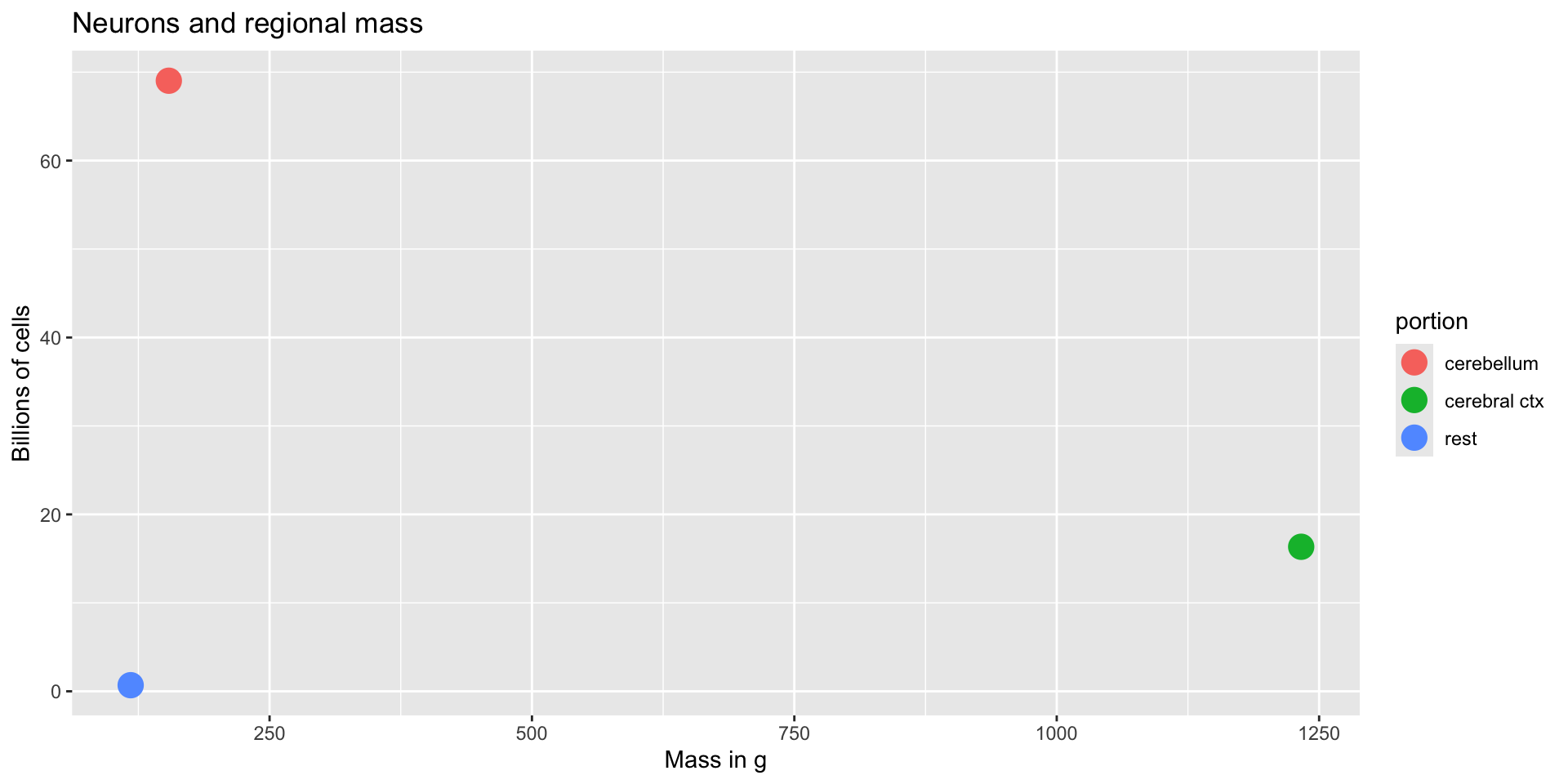
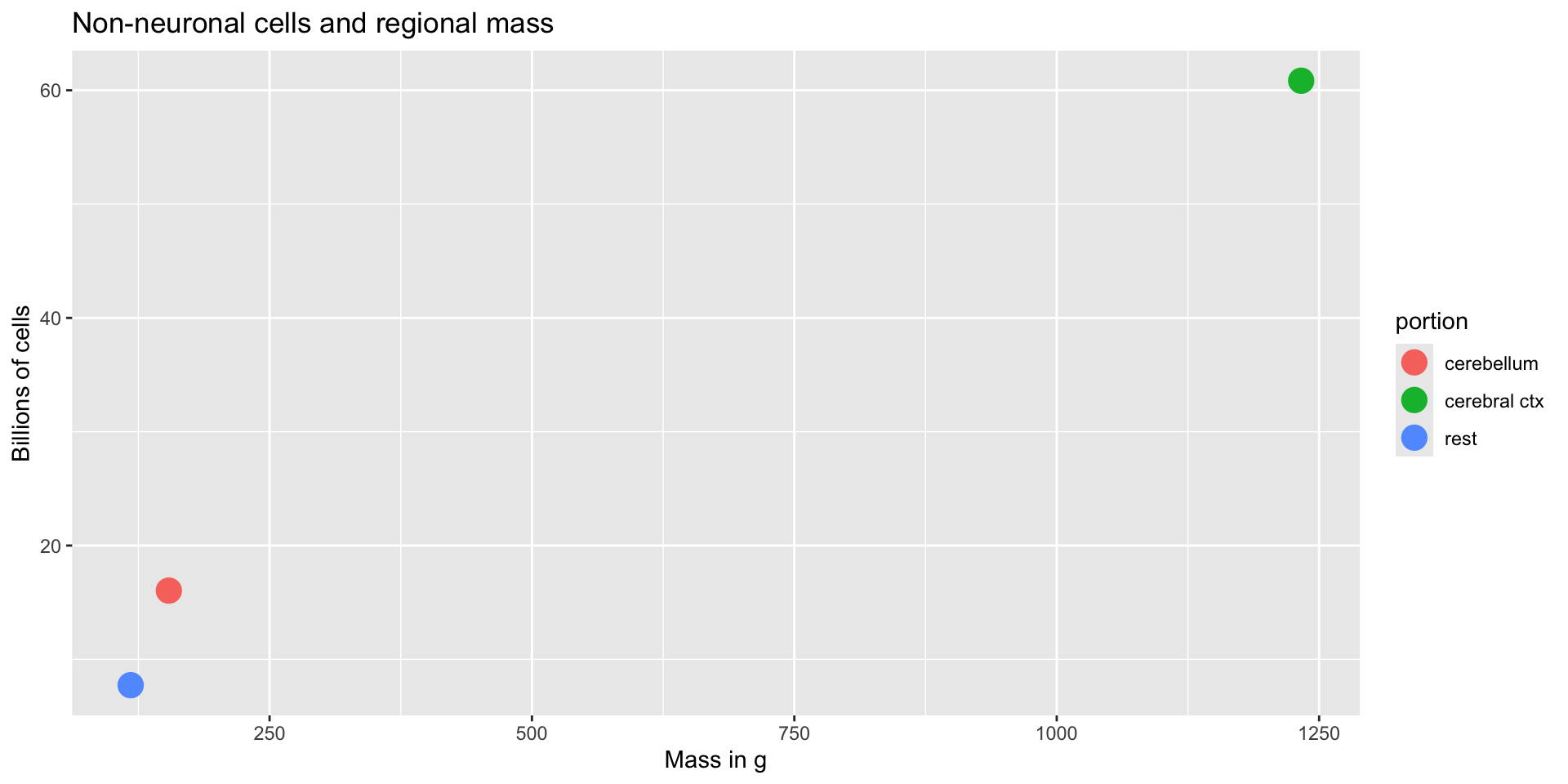
Figure 2: Nerve conduction speeds by axon diameter and degree of myelination. Data from Wikipedia contributors (2025c).

Repeating signals (e.g. patterns)

  • In space (textures)
  • In time

Vision

Roark & Stringham (2019) Figure 1

Roark & Stringham (2019) Figure 110

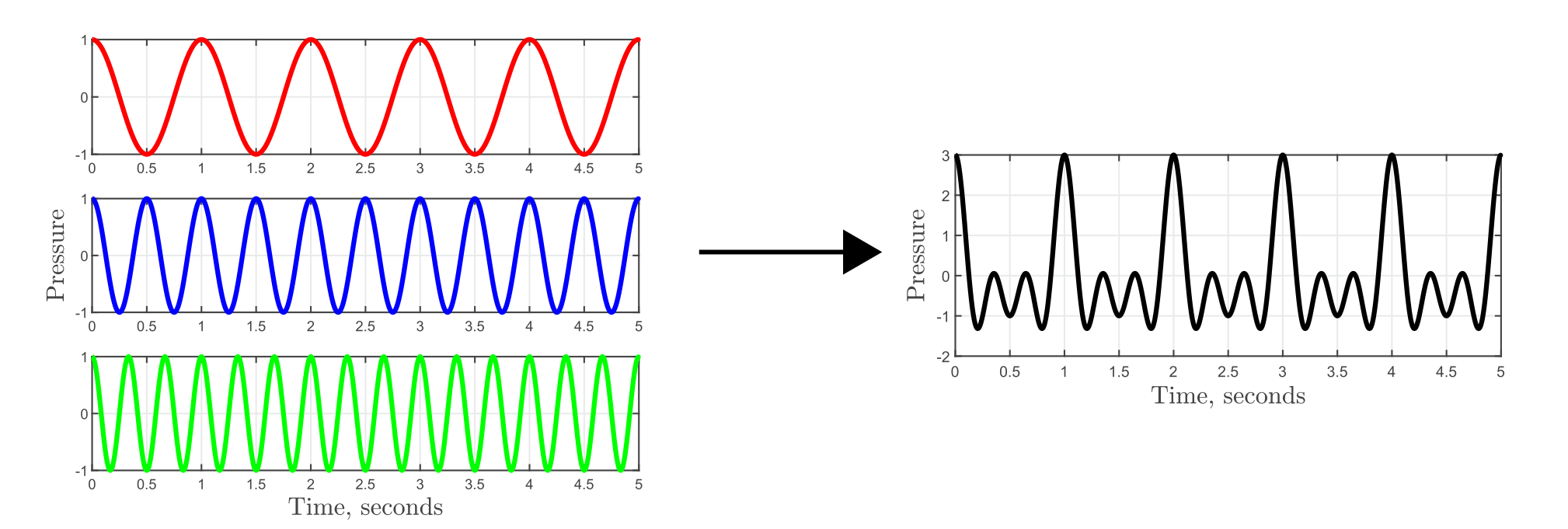
Audition

https://www.mwmresearchgroup.org/blog/key-concepts-fourier-transforms-and-signal-processing

https://www.mwmresearchgroup.org/blog/key-concepts-fourier-transforms-and-signal-processing

By Aquegg - Own work, Public Domain, https://commons.wikimedia.org/w/index.php?curid=5544473

By Aquegg - Own work, Public Domain, https://commons.wikimedia.org/w/index.php?curid=5544473

Somatosensation

Deflorio, Di Luca, & Wing (2022) Figure 1

Deflorio et al. (2022) Figure 111

Methodological aside

Wikipedia

Wikipedia12

Fourier analysis

  • Powerful mathematical toolkit for
    • vision, audition, somatosensation
    • EEG, MRI analysis
    • Music
  • Video overview: 3Blue1Brown (2018)

Compare (>1) sensors located in different parts of the body

  • Eyes
  • Ears
  • Skin surface
  • Nostrils
  • Tongue

Specialized neurons: Vision

  • Photoreceptors

Wikipedia

Wikipedia

Audition

  • Cochlear hair cells

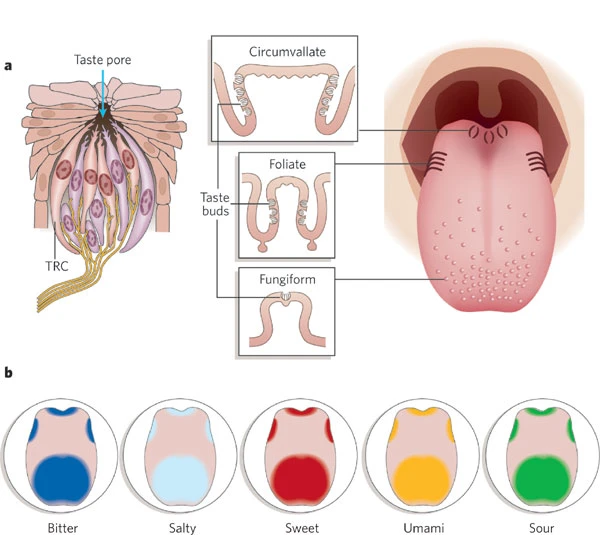
Gustation (taste)

  • taste receptor cells

Chandrashekar, Hoon, Ryba, & Zuker (2006) Figure 1

Chandrashekar et al. (2006) Figure 1

Somatosensation

  • Cutaneous13 receptors
  • Specialize in detect pressure, vibration, temperature, tissue damage

Wikipedia

Wikipedia14

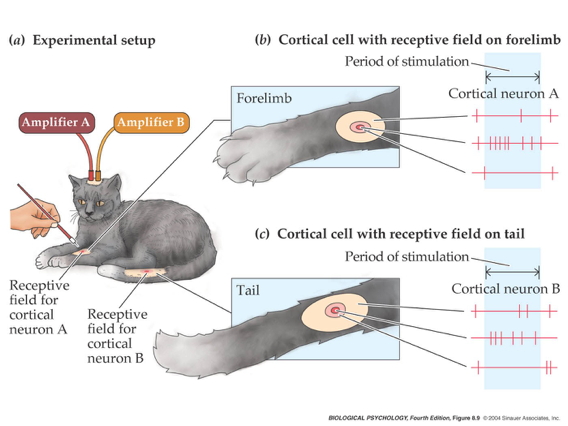
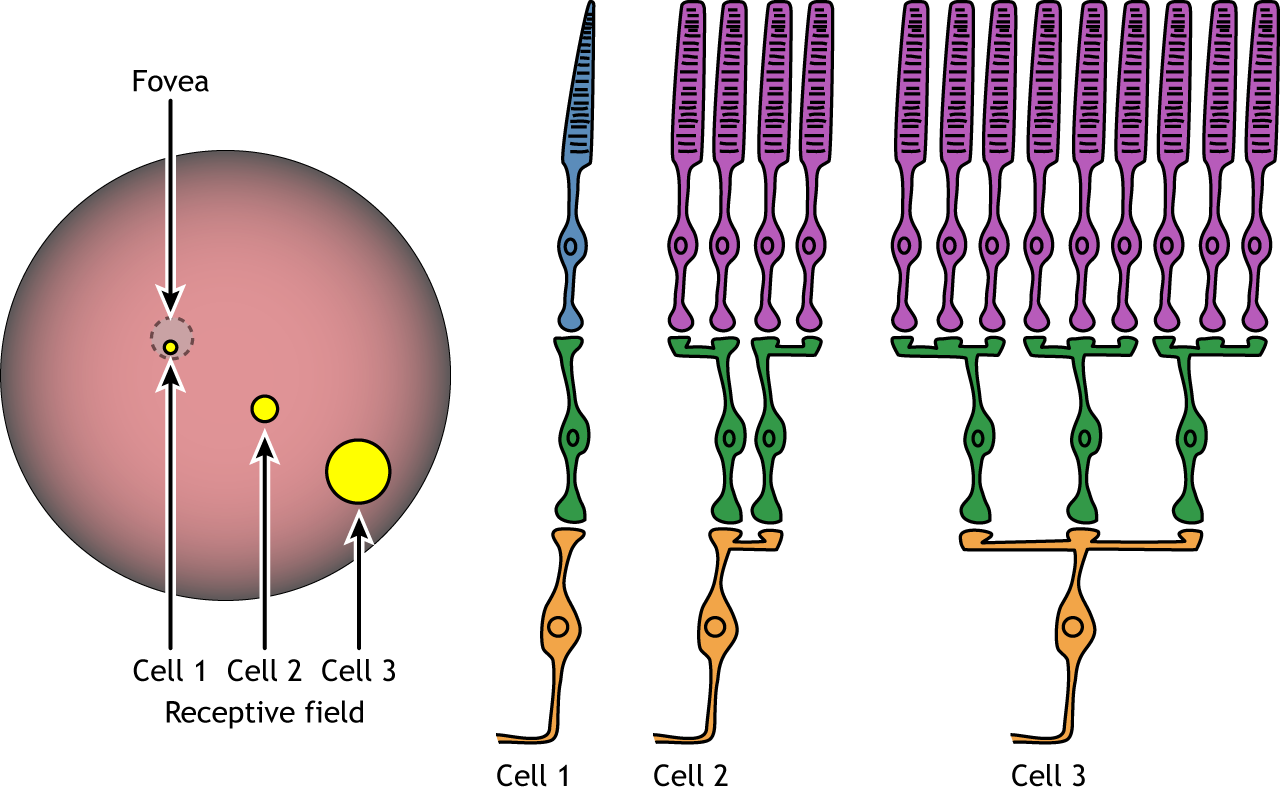
“Receptive fields”

The receptive field is a portion of sensory space that can elicit neuronal responses when stimulated. The sensory space can be defined in a single dimension (e.g. carbon chain length of an odorant), two dimensions (e.g. skin surface) or multiple dimensions (e.g. space, time and tuning properties of a visual receptive field).

Alonso & Chen (2009)

Tactile receptive fields

https://www.nursinghero.com/study-guides/austincc-ap1/pain

https://www.nursinghero.com/study-guides/austincc-ap1/pain

Receptive fields: Visual

https://openbooks.lib.msu.edu/neuroscience/chapter/vision-the-retina/

https://openbooks.lib.msu.edu/neuroscience/chapter/vision-the-retina/

https://wandell.github.io/FOV-1995/

https://wandell.github.io/FOV-1995/

Topographic maps

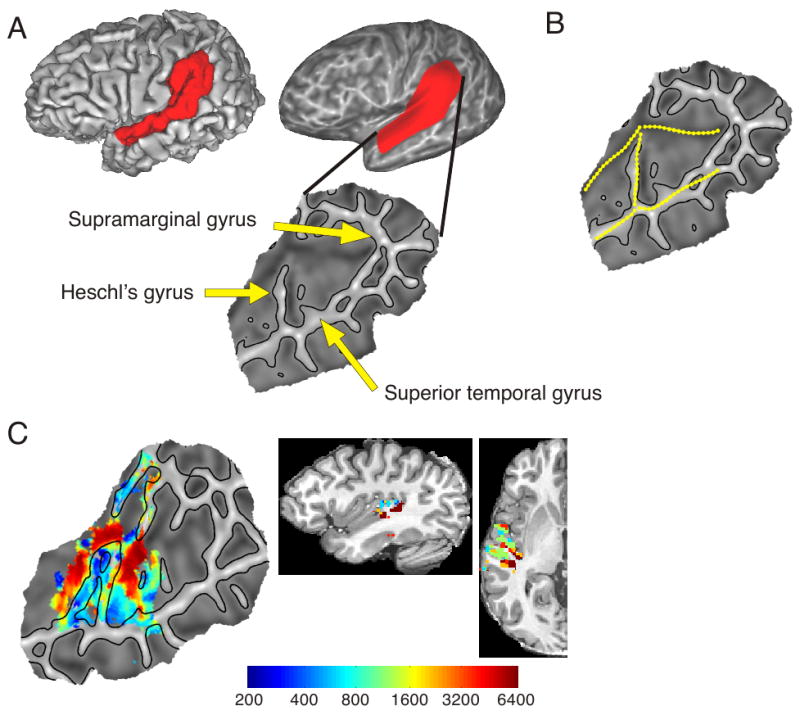
Tonotopic maps

Humphries, Liebenthal, & Binder (2010) Figure 3

Humphries et al. (2010) Figure 315

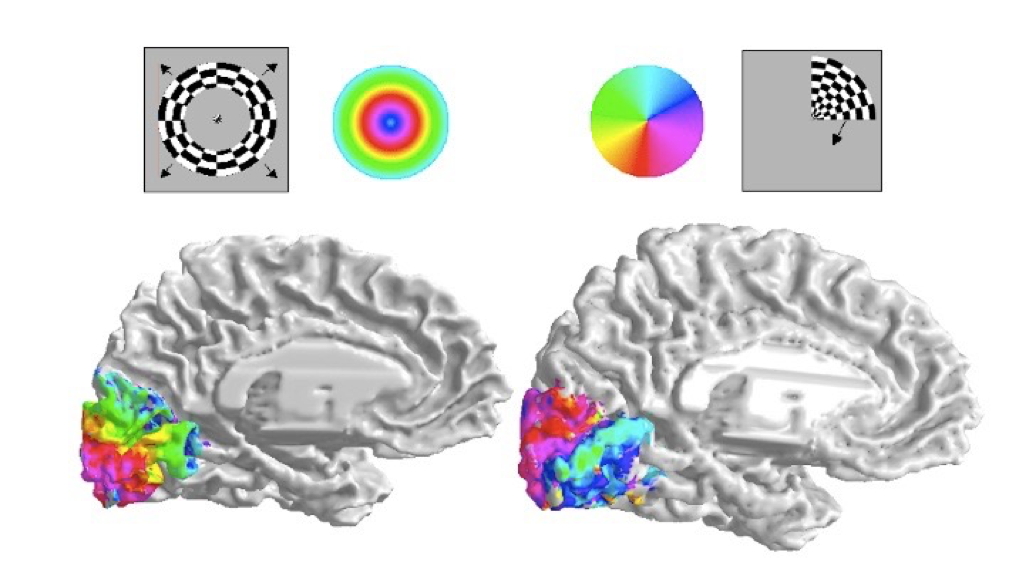
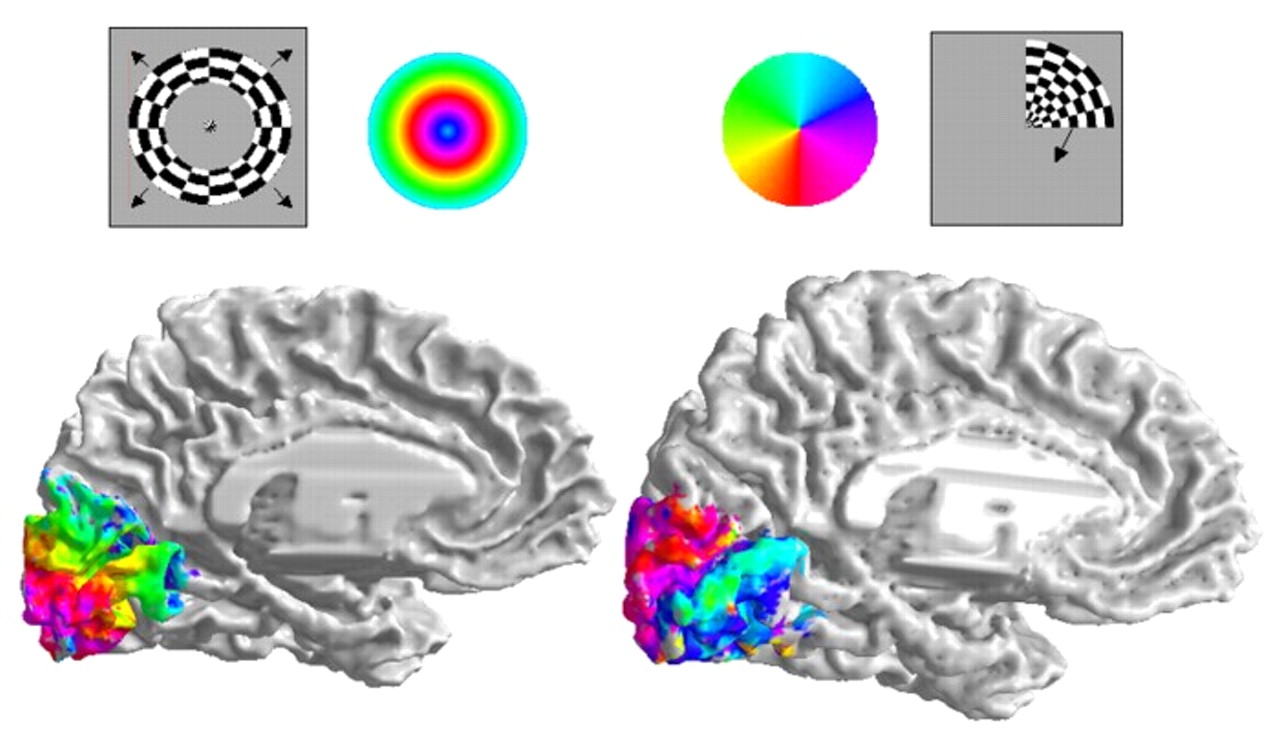
Retinotopic maps

Retinotopic maps

Dougherty et al. (2003) Figure 1

Dougherty et al. (2003) Figure 1

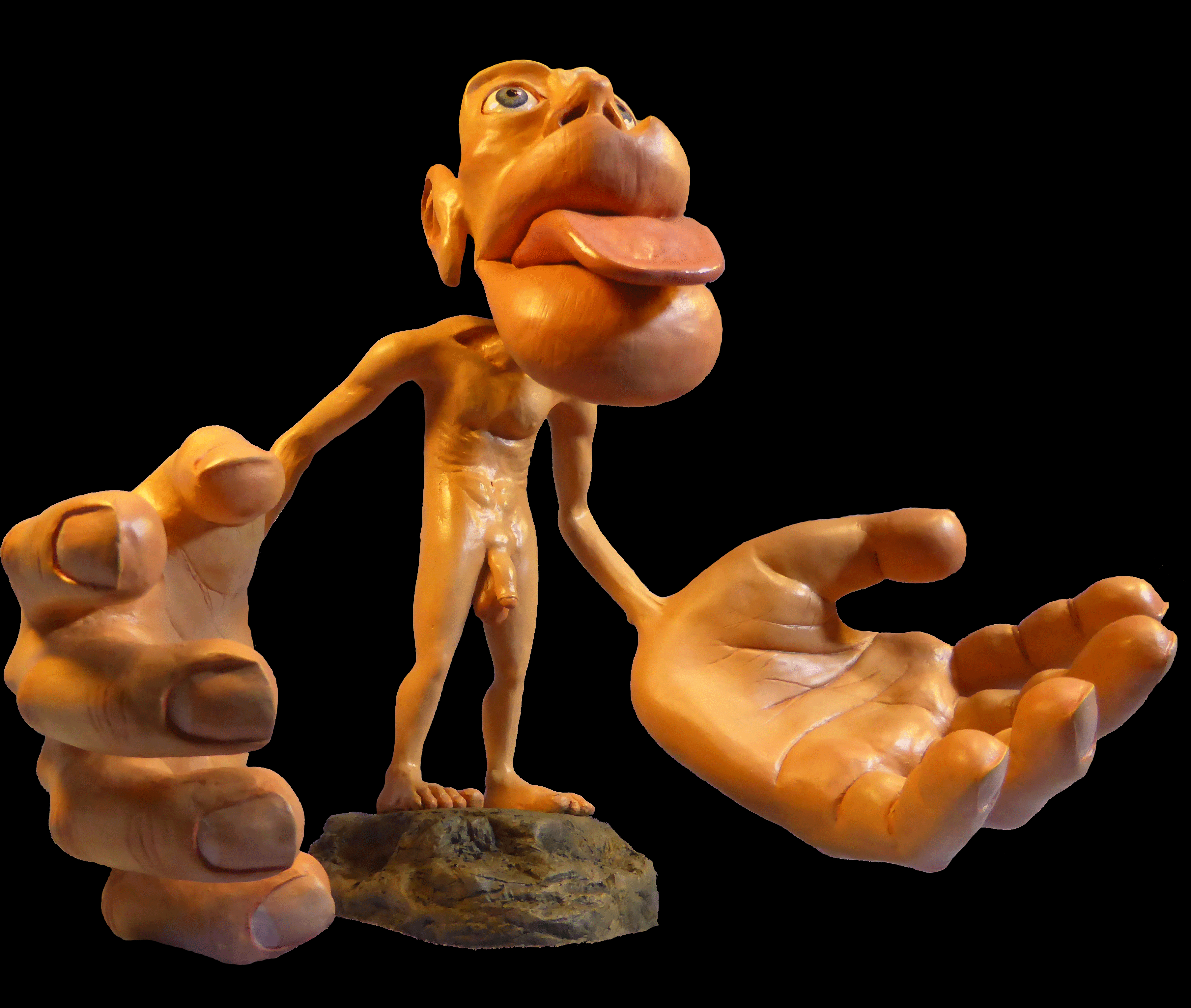
Somatotopic maps in S1 & M1

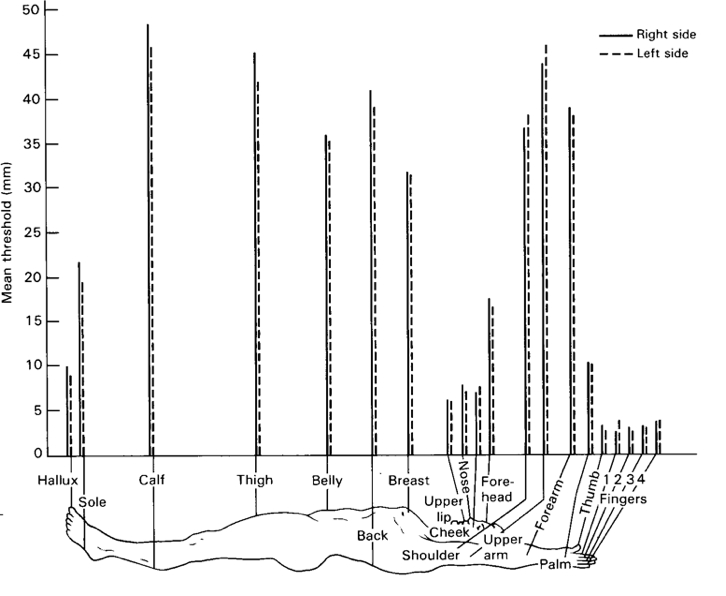
Non-uniform sensitivity

Two-point touch thresholds

OTGeddie (2017)

Somatosensory homunculus

Visual acuity

Wikipedia

Wikipedia16

Wikipedia

Wikipedia17

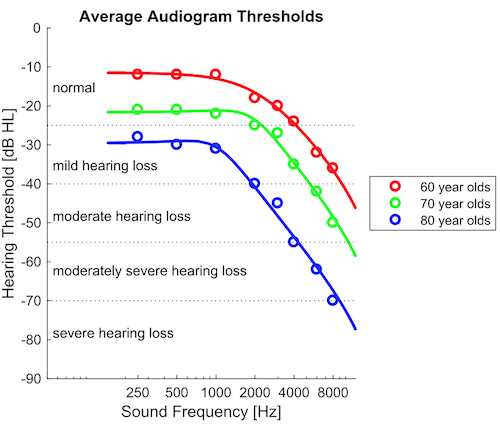
Hearing thresholds

http://auditoryneuroscience.com/

http://auditoryneuroscience.com/

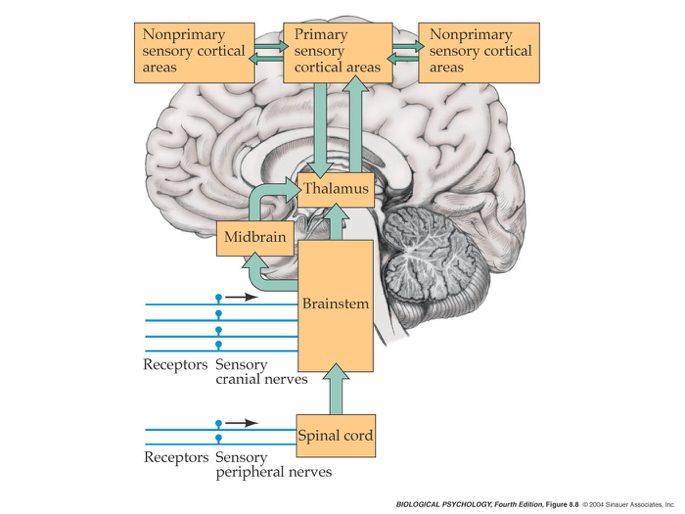
Hierarchical/sequential AND parallel

Feedforward and feedback

Deeper dive: Vision

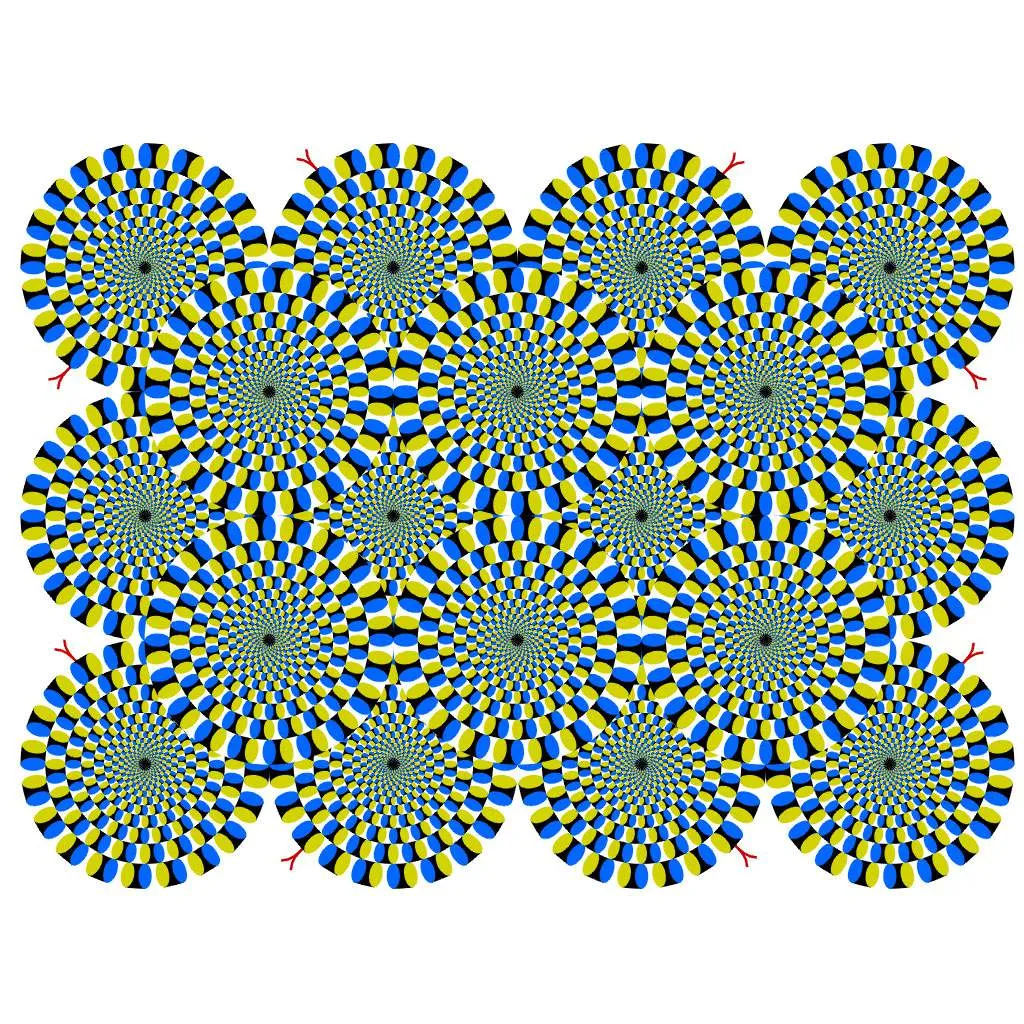
Vision is not veridical

https://www.illusionsindex.org/i/rotating-snakes

https://www.illusionsindex.org/i/rotating-snakes

A cat responds

rasmusab (2013)

Smith, Chouinard, & Byosiere (2021) Figure 4

Smith et al. (2021) Figure 4

Smith et al. (2021) Figure 5

Smith et al. (2021) Figure 5

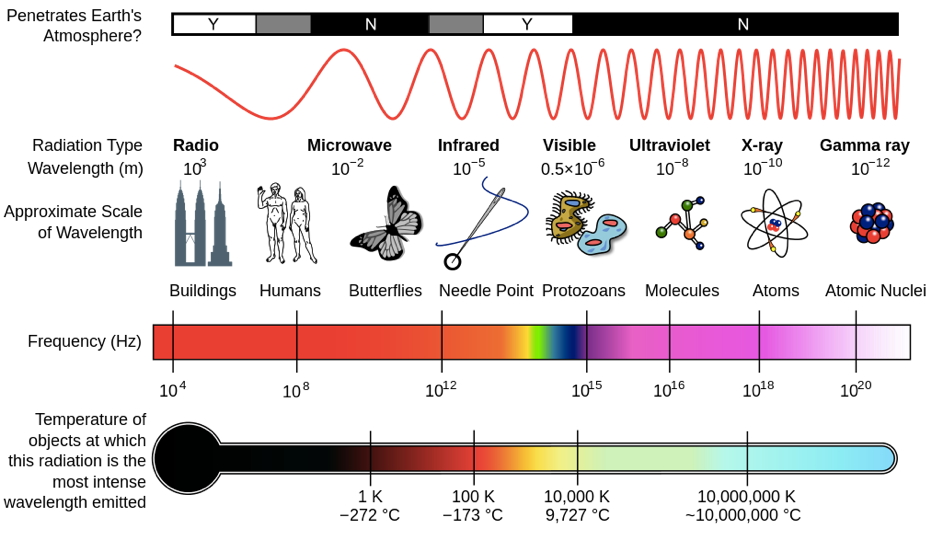
Properties of Electromagnetic (EM) radiation

  • Wavelength/frequency
  • Intensity
  • Location/position of source
  • Reflects off some materials
  • Refracted (bent) moving through other materials
  • Information across space (and time)

http://en.wikipedia.org/wiki/File:EM_Spectrum_Properties_edit.svg

http://en.wikipedia.org/wiki/File:EM_Spectrum_Properties_edit.svg

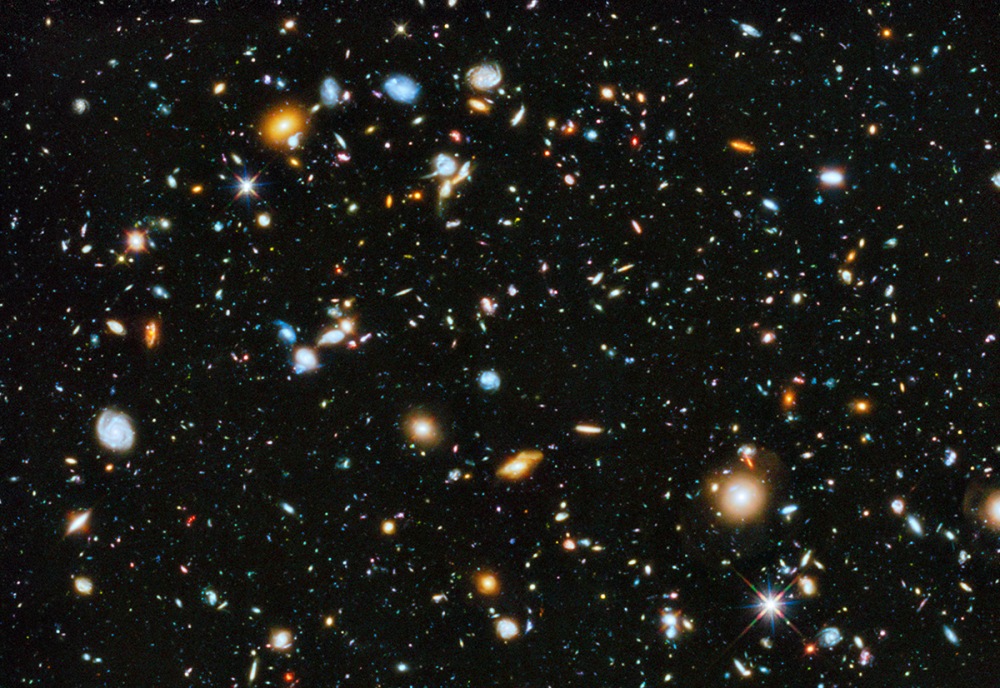
http://apod.nasa.gov/apod/ap140605.html

http://apod.nasa.gov/apod/ap140605.html

Central Pennsylvania Observers (cpoclub.org)

Central Pennsylvania Observers (cpoclub.org)

Light

  • Provides fast (2.99 million m/s; 186 million mi/hr) information about surfaces at a distance
  • vs. sound (340 m/s; 767 mi/hr)
  • vs. chemical signal diffusion (min/mi)

Not instantaneous by cosmic scales

“Riding light” (n.d.)

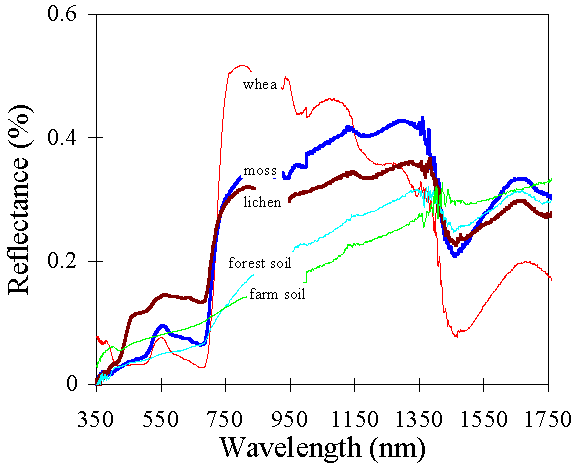
Reflectance spectra differ by surface

Randeberg (2005) Figure 8

Randeberg (2005) Figure 8

http://http://www.vgt.vito.be/userguide/book_1/4/42/ie42bd.gif

http://http://www.vgt.vito.be/userguide/book_1/4/42/ie42bd.gif

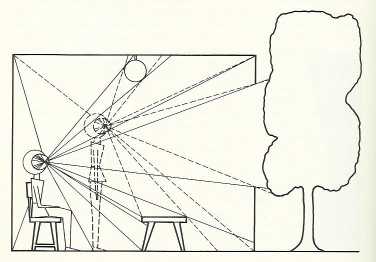
Optic array specifies geometry of environment

Gibson

Gibson

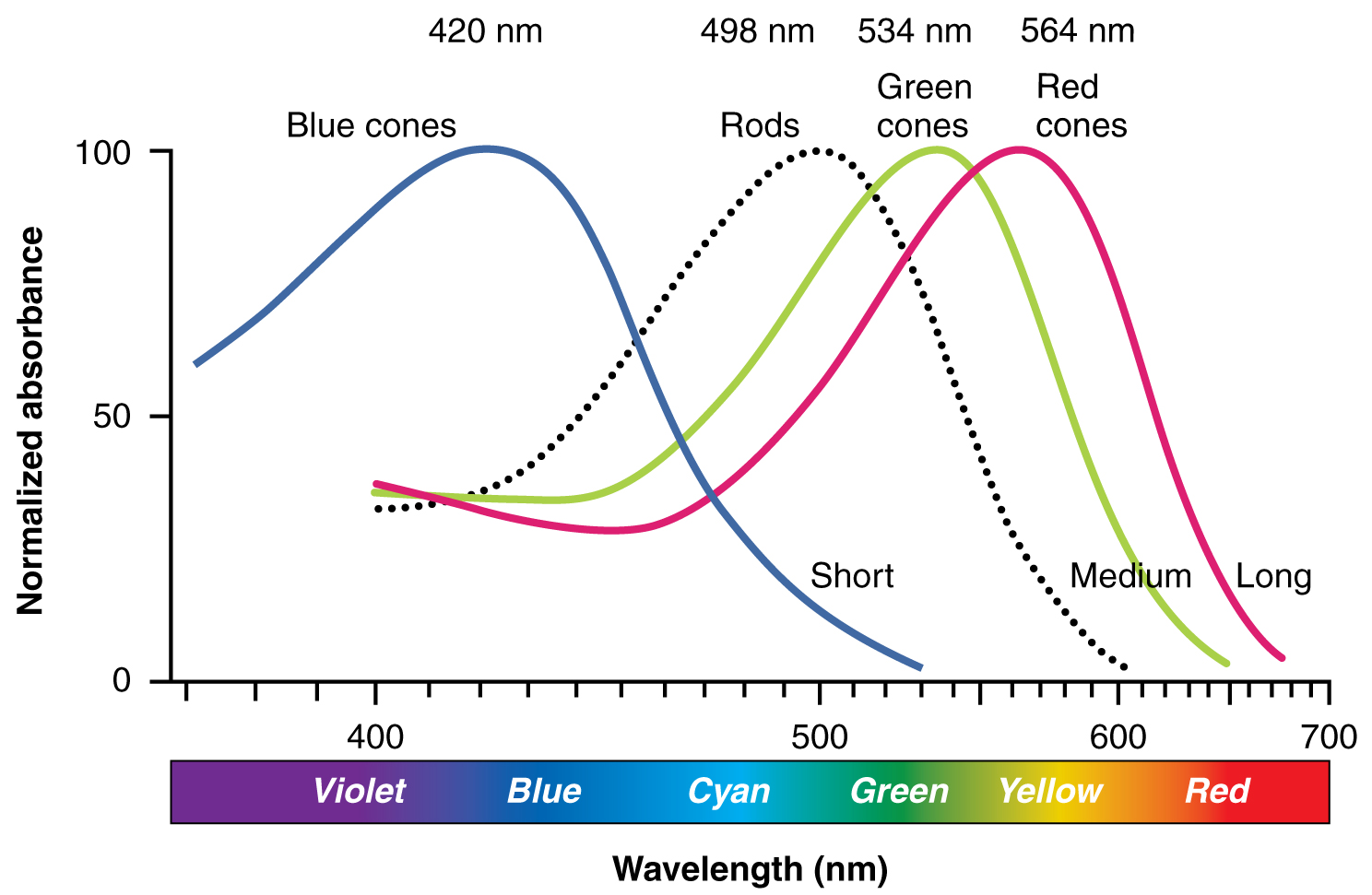
Categories of wavelength specify perception of color

  • Eyes categorize wavelength into relative intensities within wavelength bands
  • RGB ~ Red, Green, Blue
    • Long, medium, short wavelengths
  • Color is a neural/psychological construct

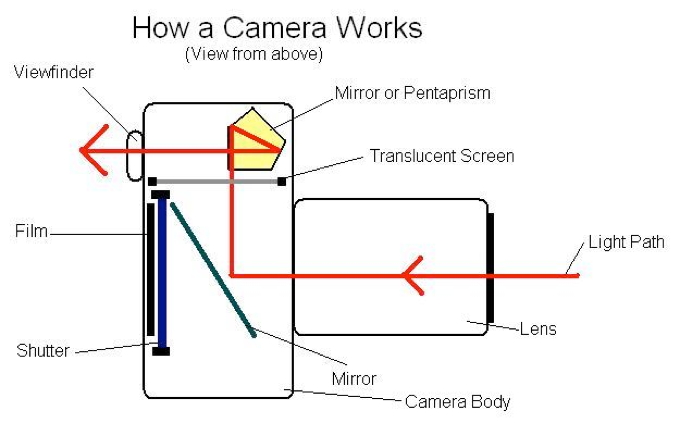
The biological camera

Part of a self-stabilizing motor system…

Bucalo (2015)

The eye/head/body system

  • Eye + head + body movements align and point gaze
  • Eye + head + body movements stabilize gaze
    • When the observer moves
    • When objects move

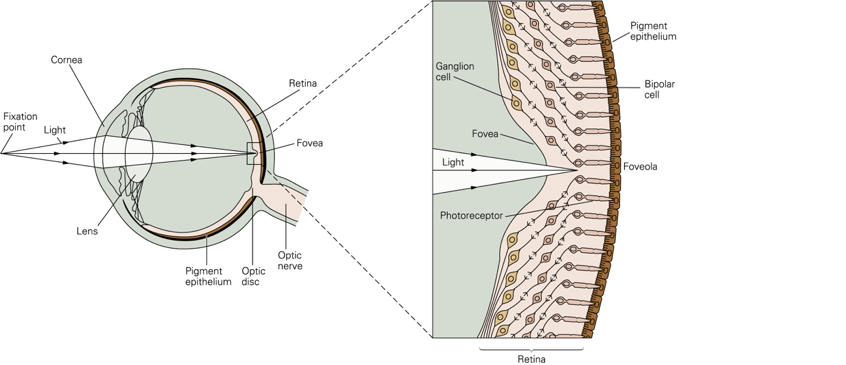
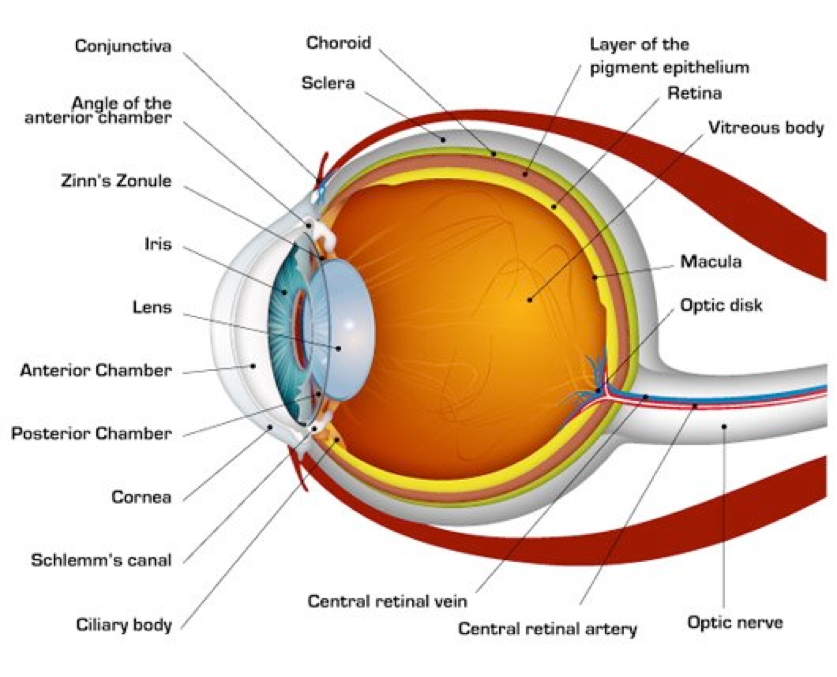
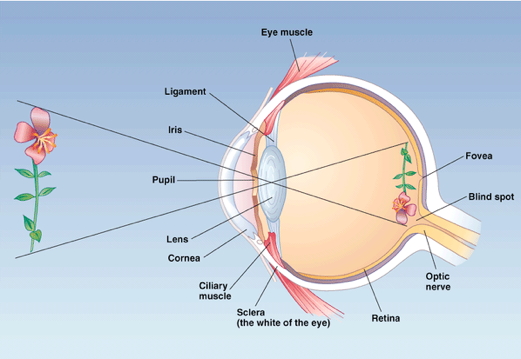
Parts of the eye

  • Cornea - refraction (2/3 of total)
  • Pupil - light intensity; diameter regulated by Iris.
  • Lens - refraction (remaining 1/3; focus)
  • Retina - light detection
    • ~ skin or organ of Corti in inner ear
  • Pigment epithelium - regenerate photopigment
  • Muscles - move eye, reshape lens, change pupil diameter

Geometry of retinal image

  • Image inverted (up/down)
  • Image reversed (left/right)
  • Point-to-point map (retinotopic)
  • Binocular and monocular zones

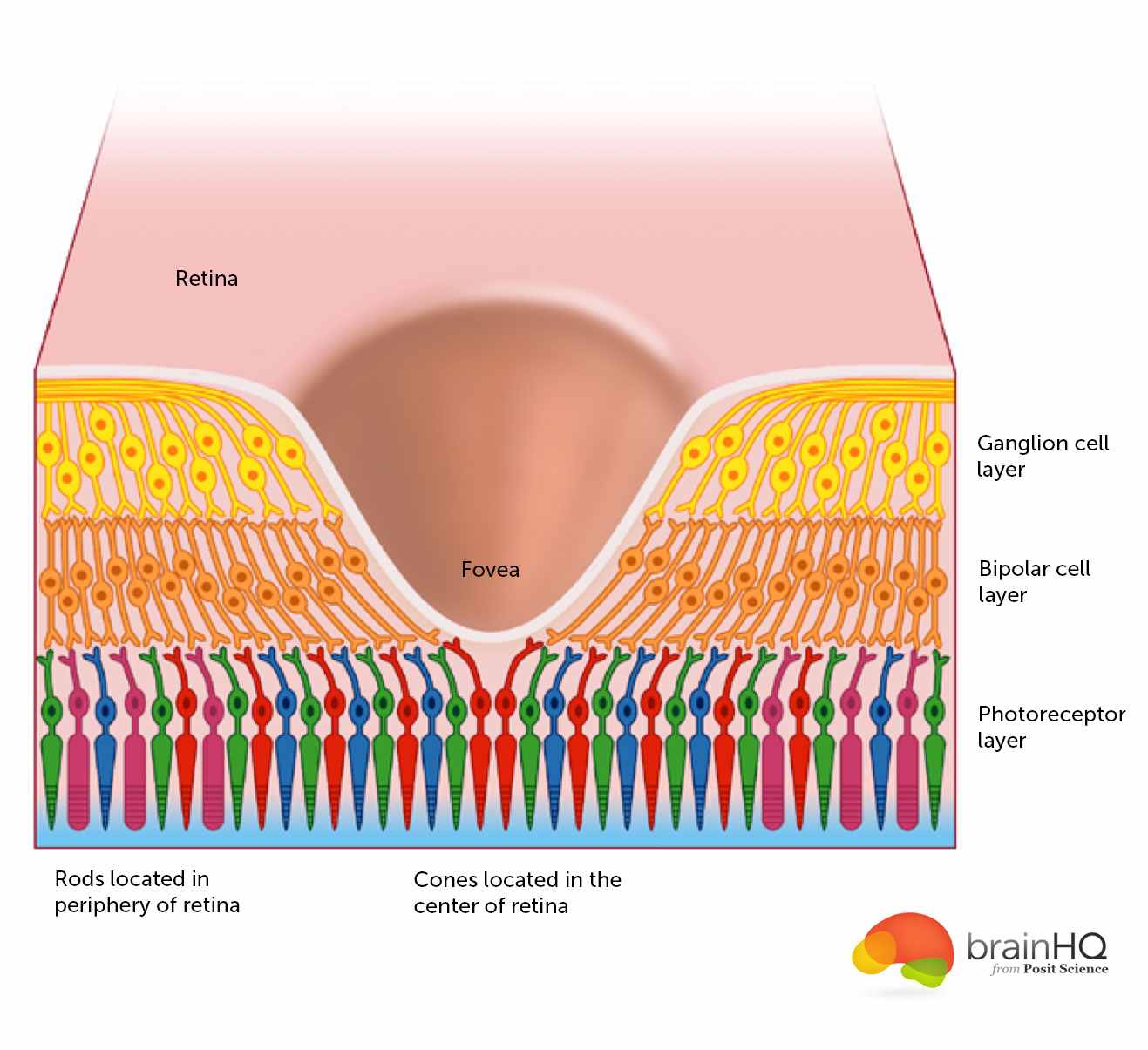
The fovea

http://www.brainhq.com/sites/default/files/fovea.jpg

http://www.brainhq.com/sites/default/files/fovea.jpg

The fovea

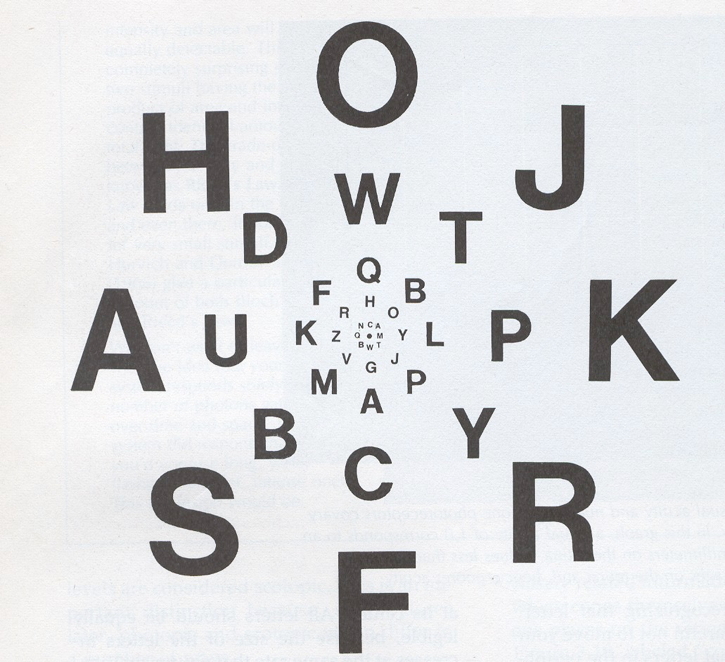
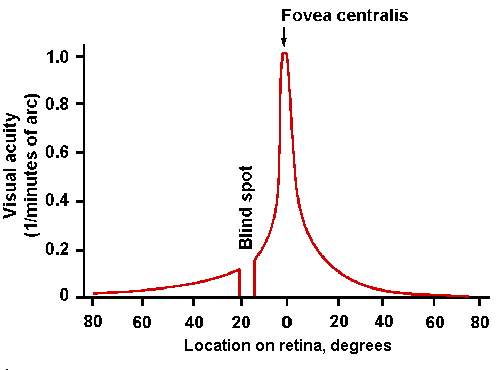
  • Central 1-2 deg of visual field
  • Aligned with visual axis
  • Retinal ganglion cells pushed aside
  • Highest acuity vision == best for details
  • Acuity varies from center to periphery

http://www.brainhq.com/sites/default/files/fovea.jpg

http://www.brainhq.com/sites/default/files/fovea.jpg

http://michaeldmann.net/pix_7/blndspot.gif

http://michaeldmann.net/pix_7/blndspot.gif

Application in VR

ewakili (2021)

What part of the skin is like the fovea?

Photoreceptors detect light

Photoreceptors

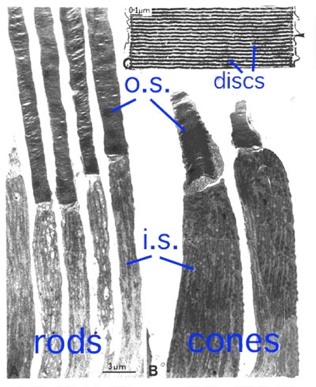
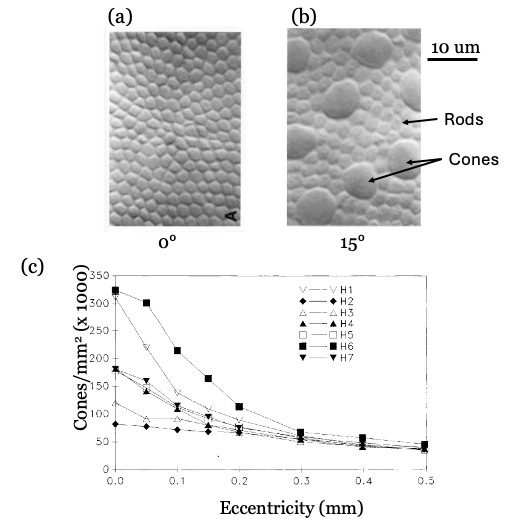
  • Rods
    • ~120 M/eye
    • Mostly in periphery
    • Active in low light conditions
    • One wavelength range

Photoreceptors

  • Cones
    • ~5 M/eye
    • Mostly in center
    • 3 wavelength ranges

Wandell (1995) Chapter 3

Wandell (1995) Chapter 3

http://cnx.org/content/col11496/1.6/

http://cnx.org/content/col11496/1.6/

Photoreceptor physiology

  • Outer segment
    • Membrane disks
    • Photopigments
      • Sense light, trigger chemical cascade
  • Inner segment
    • Synaptic terminal
  • Light hyperpolarizes photoreceptor!
    • The dark current

Retina

  • Physiologically backwards
    • Dark current
  • Anatomically inside-out
    • Photoreceptors at back of eye

http://www.retinareference.com/anatomy/

http://www.retinareference.com/anatomy/

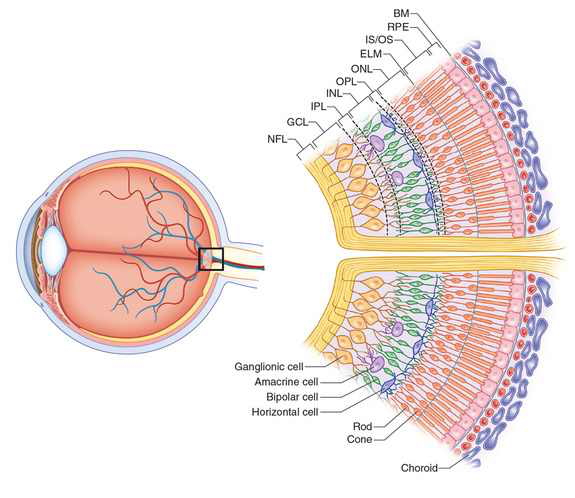
Retina

  • Information flows…
    • From photoreceptors…
    • To Bipolar cells
      • <-> and Horizontal cells
    • To Retinal ganglion cells
      • <-> and Amacrine cells
    • To cerebral cortex

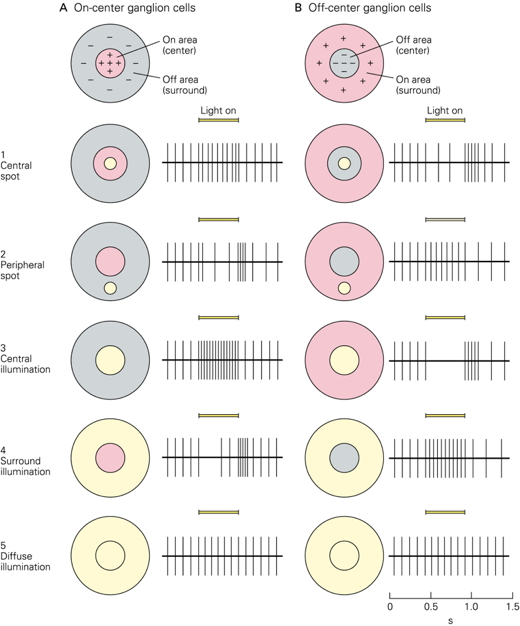
Center-surround receptive fields

  • Center region
    • Excites (or inhibits)
  • Surround region
    • Does the opposite
  • Bipolar cells & Retinal Ganglion cells

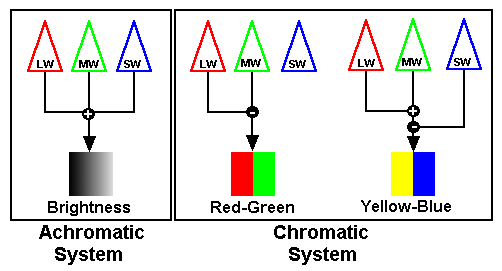
Opponent processing

visualexpert.com

visualexpert.com18
  • Black (darker) vs. white (lighter) (achromatic)
  • Long (red) vs. Medium (green) wavelength cones
  • (Long + Medium) vs. Short cones
  • Can’t really see reddish-green or bluish-yellow

What’s a reddish-green look like?

What’s a reddish-green look like?

Explanation

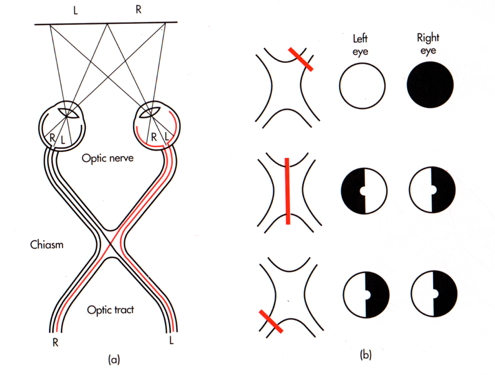
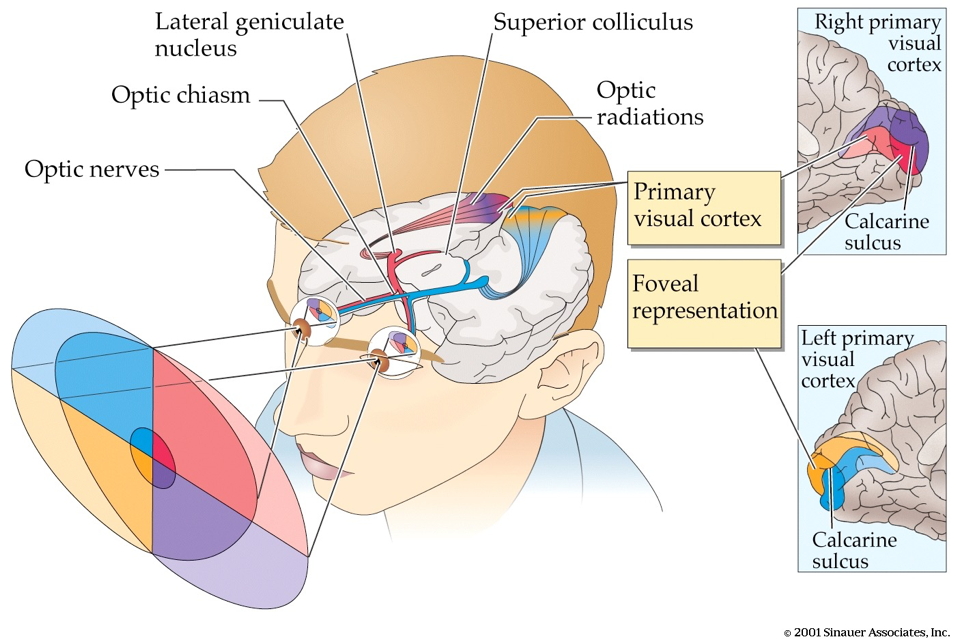
From eye to brain

  • Retinal ganglion cells
  • 2nd/II cranial (optic) nerve
    • Optic chiasm (\(\chi\) - asm): Partial crossing of fibers
    • Nasal hemiretina (lateral/peripheral visual field) cross
    • Left visual field (from L & R retinae) -> right hemisphere & vice versa

From eye to brain

  • Lateral Geniculate Nucleus (LGN) of thalamus (receives 90% of retinal projections)
  • Hypothalamus
    • Suprachiasmatic nucleus (superior to the optic chiasm)
    • Synchronizes day/night cycle with circadian rhythms
  • Superior colliculus & brainstem

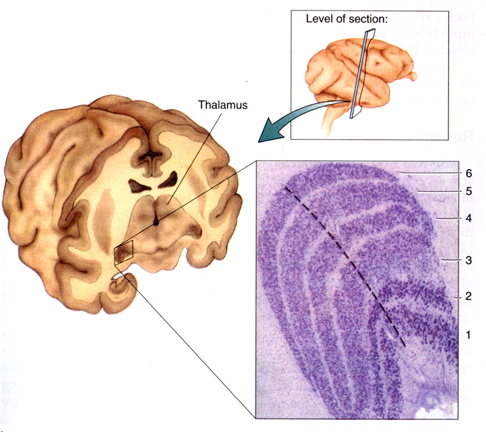
LGN

  • 6 layers + intralaminar zone
    • Parvocellular (small cells): chromatic
    • Magnocellular (big cells): achromatic
    • Koniocellular (chromatic - short wavelength?)
  • Retinotopic map of opposite visual field

From LGN to V1

  • Via optic radiations
  • Primary visual cortex (V1) in occipital lobe
  • Create “stria of Gennari” (visible stripe in layer 4)
  • Calcarine fissure (medial occiptal lobe) divides lower/upper visual field

Human V1

http://www.scholarpedia.org/w/images/3/3a/03-Human-V1.png

http://www.scholarpedia.org/w/images/3/3a/03-Human-V1.png

V1

  • Fovea overrepresented
    • Analogous to somatosensation
    • High acuity in fovea vs. lower outside it
  • Upper visual field/lower (ventral) V1 and vice versa

Dougherty et al. (2003)

Dougherty et al. (2003)

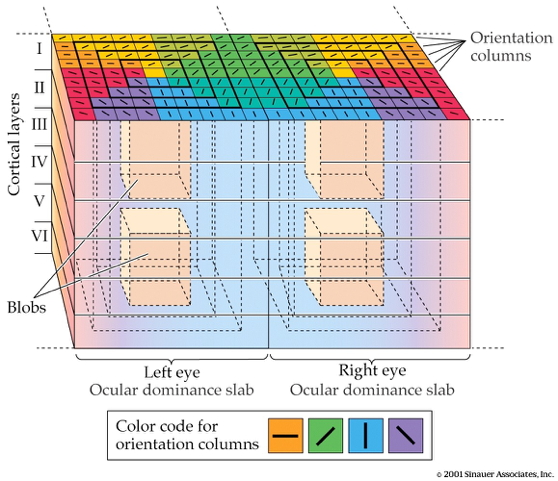
Laminar organization

  • 6 laminae (layers)
    • Input: Layer 4 (remember stria of Gennari?)
    • Output: Layers 2-3 (to cortex), 5 (to brainstem), 6 (to LGN)

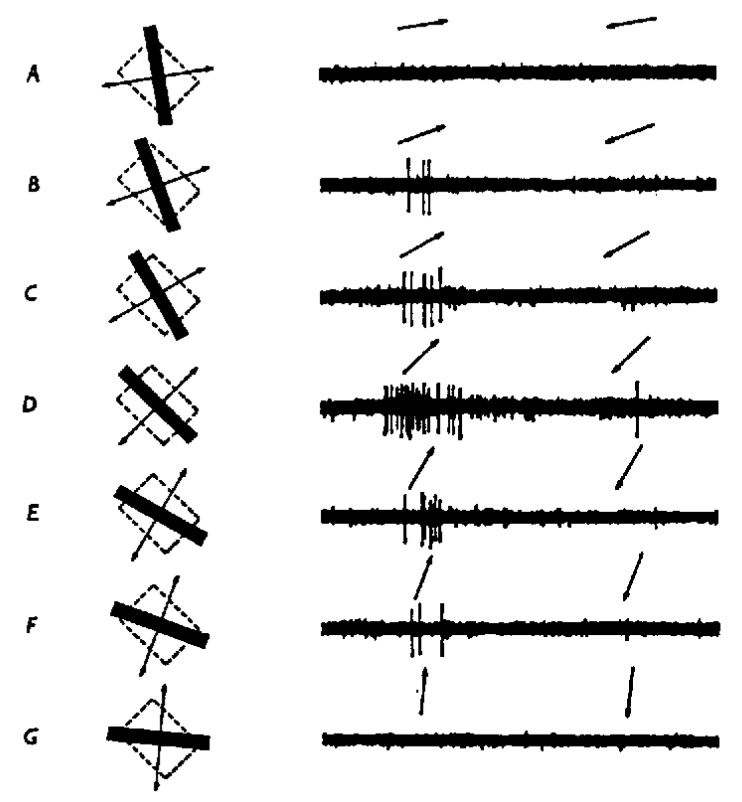
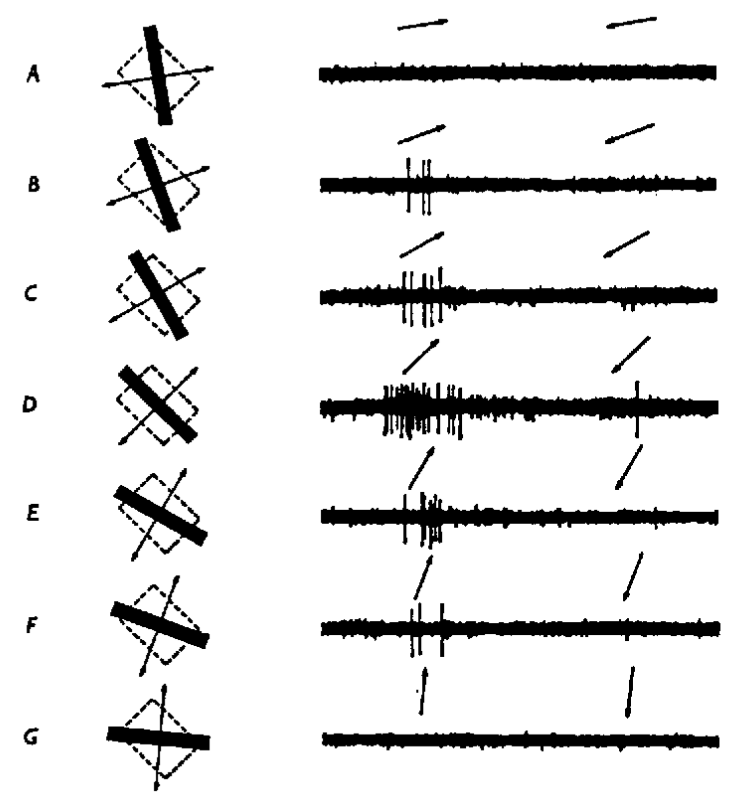
Columnar organization

  • Columns
    • Orientation/angle
    • Spatial frequency
    • Color/wavelength
    • Eye of origin, ocular dominance

Lester (2009)

https://foundationsofvision.stanford.edu/wp-content/uploads/2012/02/dir.selective.png

https://foundationsofvision.stanford.edu/wp-content/uploads/2012/02/dir.selective.png

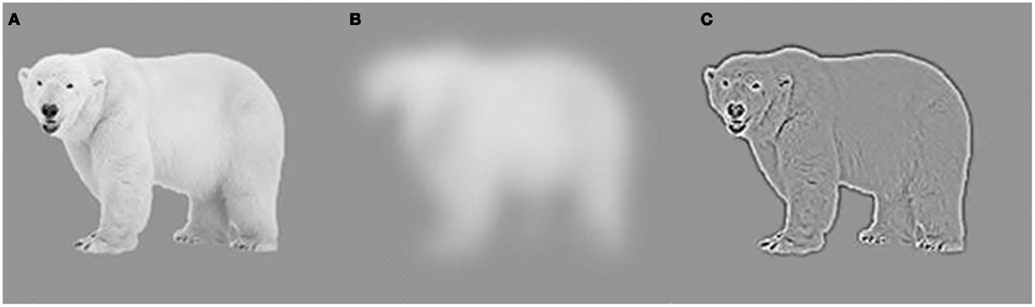
From center-surround receptive fields to line detection

Panichello, Cheung, & Bar (2013)

Panichello et al. (2013)

Ocular dominance columns

Stereo3DMovies (2010)

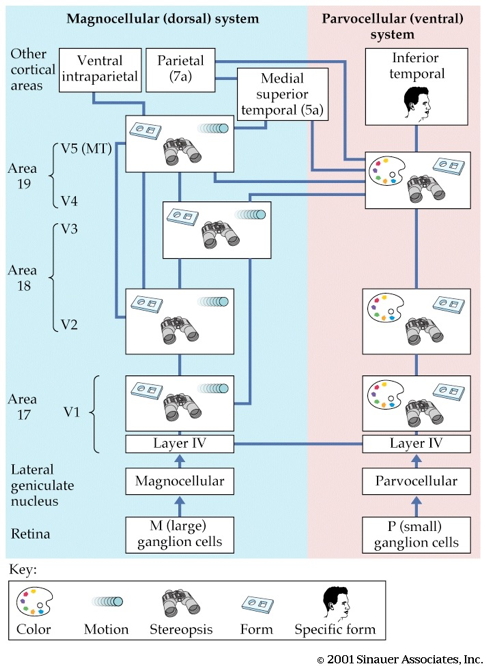
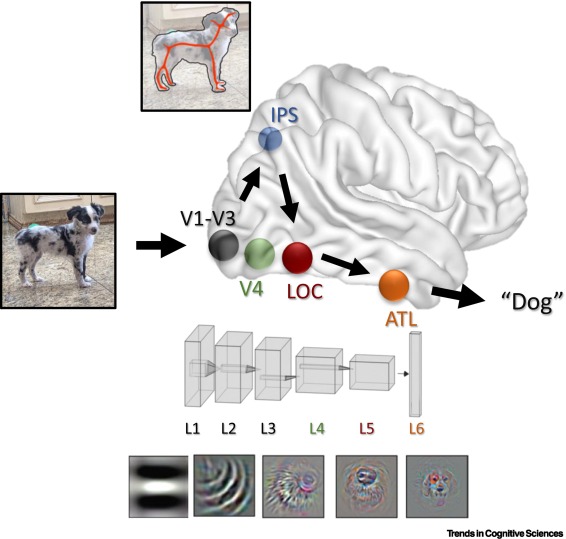
Beyond V1

  • Larger, more complex receptive fields
  • Dorsal stream (where/how)
    • Toward parietal lobe
  • Ventral stream (what)

Ayzenberg & Behrmann (2022) Figure 4

Ayzenberg & Behrmann (2022) Figure 419

What is vision for?

  • What is it? (shape/form perception)
  • Where is it? (space perception)
  • How do I get from here to there (action control)
  • What time (or time of year) is it?

Senses (re)considered

Gibson (1966)

Gibson (1966)

Act to perceive & perceive to act

Action Perceptual Correlate(s)
Saccades Shift in visual field
Proprioception
Head movement Shift in visual field
Motion parallax
Vestibular signal
Proprioception

Act to perceive & perceive to act

  • Orienting, info gathering
  • Maintaining balance
  • Reaching, grasping, & manipulation
  • Locomotion
  • Communication
  • Mating & caregiving
  • Ingestion & elimination
  • Defense
  • Sleep

flowchart TD
  N[Nervous System] -- autonomic --> B[Body]
  N -- somatic --> B
  N --->|endocrine| B
  B --->|endocrine| N
  B --->|action| W[World]
  W --->|perception| B
  B --->|somatic| N
  B --->|autonomic| N

Schematic of information flows into and out of the nervous system. Note: This figure ignores flows specifically related to metabolism, like changes in blood oxygen.

Wrap-up

Main points

  • Information about psychologically relevant properties of the world is carried via multiple physical and chemical channels.
  • Perceptual systems are specialized for detecting meaningful patterns in these channels.
  • Perceptual systems send information to the CNS via parallel pathways.
  • Perceptual systems have commonalities in terms of computational principles & algorithms.
  • Vision dominates human perception.
  • Visual processing is both hierarchical (serial) and parallel.
  • Sensory and motor processing should be considered as integrated systems.

Next time

  • Learning & memory

Resources

About

This talk was produced using Quarto, using the RStudio Integrated Development Environment (IDE), version 2026.1.0.392.

The source files are in R and R Markdown, then rendered to HTML using the revealJS framework. The HTML slides are hosted in a GitHub repo and served by GitHub pages: https://psu-psychology.github.io/psy-511-scan-fdns-2026-spring/

References

3Blue1Brown. (2018). But what is the Fourier Transform? A visual introduction. YouTube. Retrieved from https://www.youtube.com/watch?v=spUNpyF58BY&t=487s
Alonso, J.-M., & Chen, Y. (2009). Receptive field. Scholarpedia Journal, 4, 5393. https://doi.org/10.4249/scholarpedia.5393
Ayzenberg, V., & Behrmann, M. (2022). Does the brain’s ventral visual pathway compute object shape? Trends in Cognitive Sciences, 26, 1119–1132. https://doi.org/10.1016/j.tics.2022.09.019
Bargmann, C. I. (2006). Comparative chemosensation from receptors to ecology. Nature, 444, 295–301. https://doi.org/10.1038/nature05402
Barker, M., Brewer, R., & Murphy, J. (2021). What is interoception and why is it important? Frontiers for Young Minds, 9. https://doi.org/10.3389/frym.2021.558246
Bucalo, P. (2015). Falcon belly dance. YouTube. Retrieved from https://www.youtube.com/watch?v=JGArTWOJtXs
Chandrashekar, J., Hoon, M. A., Ryba, N. J. P., & Zuker, C. S. (2006). The receptors and cells for mammalian taste. Nature, 444, 288–294. https://doi.org/10.1038/nature05401
Deflorio, D., Di Luca, M., & Wing, A. M. (2022). Skin and mechanoreceptor contribution to tactile input for perception: A review of simulation models. Frontiers in Human Neuroscience, 16, 862344. https://doi.org/10.3389/fnhum.2022.862344
Dougherty, R. F., Koch, V. M., Brewer, A. A., Fischer, B., Modersitzki, J., & Wandell, B. A. (2003). Visual field representations and locations of visual areas V1/2/3 in human visual cortex. Journal of Vision, 3(10), 1–1. https://doi.org/10.1167/3.10.1
Dozmorov, I. (2011). Immune system as sensory system. International Journal of Biomedical Science, 6, 167–175. https://doi.org/10.59566/IJBS.2010.6167
ewakili. (2021). Foveated rendering shown by meta’s oculus, reducing compute load by 95%. YouTube. Retrieved from https://www.youtube.com/watch?v=NPK8eQ4o8Pk
Gibson, J. J. (1966). The senses considered as perceptual systems. doi.apa.org. Retrieved from http://doi.apa.org/psycinfo/1966-35026-000
Herman, J. P. (2013). Neural control of chronic stress adaptation. Frontiers in Behavioral Neuroscience, 7, 61. https://doi.org/10.3389/fnbeh.2013.00061
Humphries, C., Liebenthal, E., & Binder, J. R. (2010). Tonotopic organization of human auditory cortex. NeuroImage, 50, 1202–1211. https://doi.org/10.1016/j.neuroimage.2010.01.046
Lester, P. (2009). Hubel and wiesel cat experiment. YouTube. Retrieved from https://www.youtube.com/watch?v=IOHayh06LJ4&source_ve_path=MTc4NDI0
Namkung, H., Kim, S.-H., & Sawa, A. (2017). The insula: An underestimated brain area in clinical neuroscience, psychiatry, and neurology. Trends in Neurosciences, 40(4), 200–207. https://doi.org/10.1016/j.tins.2017.02.002
OTGeddie. (2017). Tactile localization. YouTube. Retrieved from https://www.youtube.com/watch?v=t97QiEiKjD8
Panichello, M. F., Cheung, O. S., & Bar, M. (2013). Predictive feedback and conscious visual experience. Perception Science, 3, 620. https://doi.org/10.3389/fpsyg.2012.00620
Randeberg, L. (2005). Diagnostic applications of diffuse reflectance spectroscopy. Retrieved from https://www.semanticscholar.org/paper/ec9450b79923e2e2152b54ab9241b60bc5374944
rasmusab. (2013). My cat can see the rotating snake illusion! YouTube. Retrieved from https://www.youtube.com/watch?v=CcXXQ6GCUb8
Riding light. (n.d.). Retrieved from https://vimeo.com/117815404
Roark, M. W., & Stringham, J. M. (2019). Visual performance in the “real world”: Contrast sensitivity, visual acuity, and effects of macular carotenoids. Molecular Nutrition & Food Research, 63(15), e1801053. https://doi.org/10.1002/mnfr.201801053
Scripps research-led team receives $14.2M NIH award to map the body’s “hidden sixth sense.” (2025, October 8). Retrieved November 13, 2025, from https://www.scripps.edu/news-and-events/press-room/2025/20251008-nih-award.html
Smith, G. E., Chouinard, P. A., & Byosiere, S.-E. (2021). If I fits I sits: A citizen science investigation into illusory contour susceptibility in domestic cats (felis silvestris catus). Applied Animal Behaviour Science, 240, 105338. https://doi.org/10.1016/j.applanim.2021.105338
Stereo3DMovies. (2010). Cloudy with a chance of meatballs 3D snippet (yt3d:enable=true). YouTube. Retrieved from https://www.youtube.com/watch?v=KjAQdc29vF8
Swanson, L. W. (2005). Anatomy of the soul as reflected in the cerebral hemispheres: Neural circuits underlying voluntary control of basic motivated behaviors. Journal of Comparative Neurology, 493(1), 122–131. https://doi.org/10.1002/cne.20733
Swanson, L. W. (2012). Brain architecture: Understanding the basic plan. Oxford University Press.
TheWhoVEVO. (2016). The who - pinball wizard (live at the isle of wight, 1970). YouTube. Retrieved from https://www.youtube.com/watch?v=-J03yCE15rg&list=RD-J03yCE15rg&start_radio=1
Wandell, B. (1995, October 26). Foundations of vision (1995). Retrieved February 5, 2026, from https://wandell.github.io/FOV-1995/
Wikipedia contributors. (2025a, January 30). Stevens’s power law. Retrieved from https://en.wikipedia.org/wiki/Stevens%27s_power_law
Wikipedia contributors. (2025b, August 17). Psychophysics. Retrieved from https://en.wikipedia.org/wiki/Psychophysics
Wikipedia contributors. (2025c, August 30). Nerve conduction velocity. Retrieved from https://en.wikipedia.org/wiki/Nerve_conduction_velocity

Footnotes

  1. By Mysid (original by Tristanb) - Vectorized in CorelDraw by Mysid on an existing image at en-wiki by Tristanb., CC BY-SA 3.0, https://commons.wikimedia.org/w/index.php?curid=1420508

  2. near

  3. far

  4. angle

  5. By Inductiveload, NASA - self-made, information by NASABased off of File:EM Spectrum3-new.jpg by NASAThe butterfly icon is from the P icon set, File:P biology.svgThe humans are from the Pioneer plaque, File:Human.svgThe buildings are the Petronas towers and the Empire State Buildings, both from File:Skyscrapercompare.svg, CC BY-SA 3.0, https://commons.wikimedia.org/w/index.php?curid=2974242

  6. The locations of the main olfactory tissues in the mouse (a), Drosophila (b) and C. elegans (c) are shown. The odorant detection machinery is localized to the olfactory cilia, which are specializations of the olfactory neurons that come into direct contact with the environment (centre). The cilia of three representative olfactory neurons in each species are illustrated in the right-hand panel. Colours denote different odorant receptor proteins in the cilia. a, In mammals, olfactory neurons reside in the nasal epithelium. Each olfactory neuron expresses one type of odorant receptor, a GPCR. b, In Drosophila, olfactory neurons are localized to antennae and maxillary palps. Most olfactory neurons express one specific olfactory receptor and one ubiquitous one, Or83b (dark blue). Occasionally, neurons express two specific olfactory receptors in addition to Or83b (far right). The orientation of fly olfactory receptors is inverted with respect to classical GPCRs (Fig. 1a). (Fly head image modified, with permission, from Kyotofly Kit, Kyoto Institute of Technology, Japan.) c, In C. elegans, each olfactory neuron expresses several different GPCRs. The cell body is in the head and the cilia are at the tip of the nose. (Image courtesy of Jason Kennerdell, Rockefeller University, New York, USA.)

  7. Figure 2. Interoceptive Information and Its Integration with Emotional, Cognitive, and Motivational Signals from an Array of Cortical and Subcortical Regions. Interoceptive information of constantly changing body states arrives in the posterior insula by ascending sensory inputs from dedicated spinal and brainstem pathways via specific thalamic relays. This information is projected rostrally onto the anterior insula, where it is integrated with emotional, cognitive, and motivational signals from an array of cortical and subcortical regions. As a result, the anterior insula supports unique subjective feeling states. The anterior insula regulates the introduction of subjective feelings into cognitive and motivational processes by virtue of its cortical location at the cross-roads of numerous pathways involved in higher cognition and motivation. Abbreviations: AI, anterior insula; AMG, amygdala; dACC, dorsal anterior cingulate cortex; DLPFC, dorsolateral prefrontal cortex; PI, posterior insula; THAL, thalamus; VMPFC, ventromedial prefrontal cortex; VS, ventral striatum.

  8. Two types of receptions differing by the rate of adaptation to the dynamical stimulus. A, Sensory system have two types of receptors differing by the rate of adaptation (9): tonic receptors that adapt slowly to a stimulus and continues to produce action potentials over the duration of the stimulus (left), and phasic receptors that adapt rapidly to a stimulus (right) and react to both the emergence of the signal (on- reaction) and to it cessation (off-reaction). The response diminishes quickly ant then stops. B, Immune system has different types of cells resembling in their reactions of tonic and phasic receptors of sensory systems. Some lymphocytes react preferably to the presence of foreign antigen (CD5- B lymphocytes, small resting T lymphocytes), whereas the others react to the change of antigenic contest in time (CD5+ B lymphocytes, naturally activated T-blast forms) or to the appearance of heterogeneity in presumingly homogenous tissue (NK killing of syngeneic targets in nonsyngeneic for targets environment (64, 65)).

  9. Figure 3. Stress habituation and facilitation. Repeated exposure to the same stressor results in progressive diminution of response magnitude, thought to be mediated by structures such as the prefrontal cortex (PFC) and paraventricular thalamus (PVT). Exposure to a new stressor after either homotypic or hetertypic stressors causes a larger than normal (“sensitized’ or “facilitated’ response), which may be mediated by enhanced drive from the basolateral amygdala (BLA), PVT or locus coeruleus (LC).

  10. The contrast sensitivity function (adapted from Campbell and Robson, 1968.3) The curve (hand-drawn) represents sensitivity as a function of the spatial frequency of the gratings. The contrast of the gratings decreases from the bottom of the figure to the top, and (generally) the gratings are visible under the curve, and invisible above the curve. The spatial frequency corresponding to the 20/20 letter (30 cycles per degree; cpd) is noted near the right edge of the function. Integration of the area under the curve from 30 cpd to the terminus of the function accounts for roughly 10% of the total area under the curve. For illustrative purposes only.

  11. Figure 1. Schematic view of exploratory movements. Surface texture (e.g., periodicity of a spatial grating, or roughness of sandpaper) may be felt by static pressing or sliding contact of the index finger with the normal and tangential force components as shown. Sliding is critical in discriminating very fine texture as it generate skin vibrations which reflect the sensed surface.
  12. By Lorepenoten - Own work, CC0, https://commons.wikimedia.org/w/index.php?curid=176110382

  13. In the skin.

  14. By BruceBlaus. When using this image in external sources it can be cited as:Blausen.com staff (2014). “Medical gallery of Blausen Medical 2014”. WikiJournal of Medicine 1 (2). DOI:10.15347/wjm/2014.010. ISSN 2002-4436. - Own work, CC BY 3.0, https://commons.wikimedia.org/w/index.php?curid=30871451

  15. Fig. 3. Flattened surface representation. (A) Derivation of a flattened patch for a single subject, showing the corresponding area on the original surface. On the patch, gyri are represented with lighter shading and sulci with darker shading. (B) Hand drawn boundaries used for group alignment. (C) Left hemisphere tonotopy map for a single subject projected on a flattened surface and in volumetric space.

  16. By Jeff Dahl - Own work by uploader, Based on the public domain document: [1], CC BY-SA 3.0, https://commons.wikimedia.org/w/index.php?curid=4262200

  17. By Vanessa Ezekowitz - Hand-drawn based on File:AcuityHumanEye.jpg by Hans-Werner Hunziker, CC BY-SA 3.0, https://commons.wikimedia.org/w/index.php?curid=7327065

  18. http://www.visualexpert.com/sbfaqimages/RGBOpponent.gif

  19. Figure 4. An expanded brain network for object recognition. In this schematic depiction of the visual system, the ventral pathway (V1 to ATL) acts much like a DNN (bottom) – extracting increasingly complex local object features, but not a complete shape. Instead, structural information describing the global shape of an object, but not its individual features (top; depicted as a red skeleton), may be computed in dorsal visual pathway regions such as IPS. This information is then sent to the ventral pathway to form a complete object representation. Abbreviations: ATL, anterior temporal lobe; DNN, deep neural network; IPS, intraparietal sulcus; L1–L6, layers 1–6; LOC, lateral occipital complex; V1–V4, visual areas 1–4.