That’s a wrap

PSY 511.001 Spr 2026

Rick Gilmore

Department of Psychology

Preliminaries

For fun

Figure 1: Rlzee (2010)

Announcements

Today’s topics

  • Student presentations
    • Faith Lockhart, “BMAL1 and its relation to sleep”
    • Alex Petryczenko, “Harmonizing hearts: Respiratory sinus arrhythmia (RSA) and biobehavioral synchrony as a marker of regulatory capacity”
  • Frontiers in the biology of behavior
  • Beethoven and the Cerebral Symphony

Student presentations

Frontiers in the biology of behavior

Everything should be made as simple as possible, but not simpler.

“Quote origin” (n.d.)

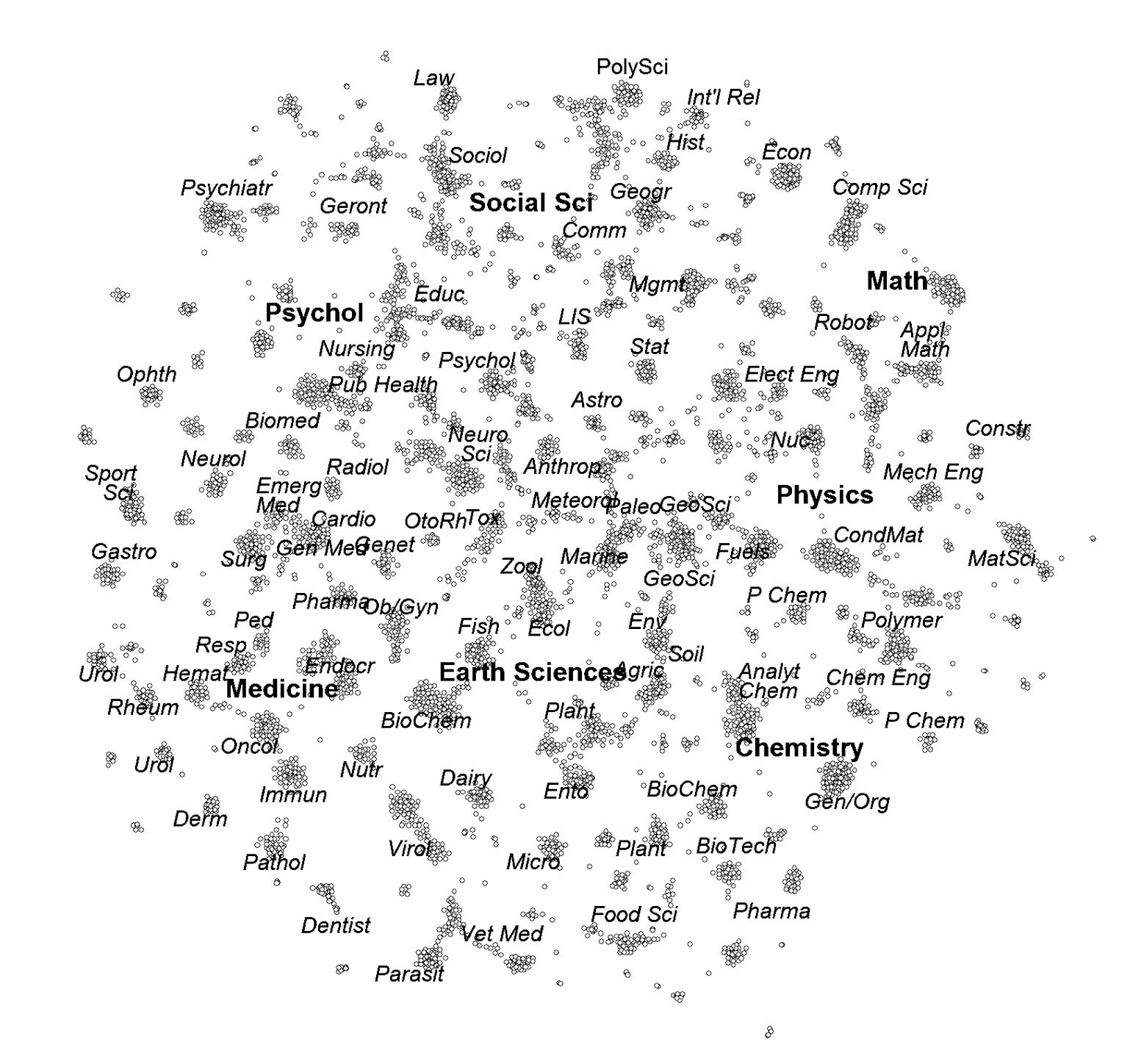
Psychology is a hub science

…seven hub sciences can be identified: mathematics, physics, chemistry, earth sciences, medicine, psychology, and the social sciences…public health, neuroscience, neurology, radiology, cardiology, and genetics are among the sciences that fall between psychology and medicine, whereas education and gerontology fall between psychology and the social sciences.

Cacioppo (2007) commenting on Boyack, Klavans, & Börner (2005)

Figure 2: Boyack et al. (2005) Figure 31

Psychology is a systems science

  • Bronfenbrenner (1977)
  • Microsystem
    • Place, time, physical features, activity, participant(s), role(s)
  • Mesosystem
    • System of microsystems
  • Exosystem
  • Macrosystem
Figure 3: Guy-Evans (2020)

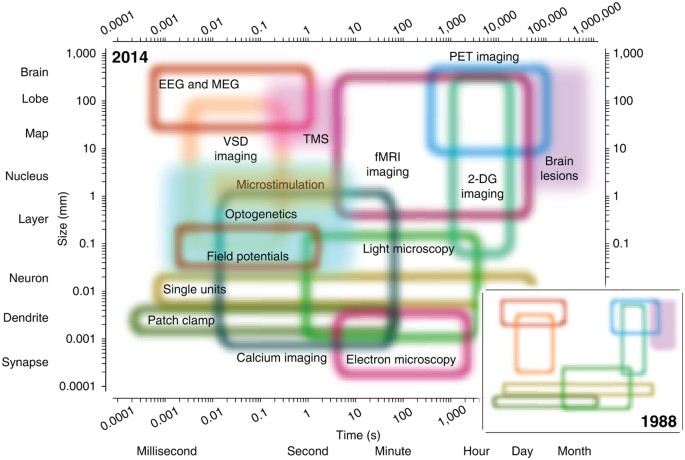
Disparate spatial scales

Figure 4: Sejnowski, Churchland, & Movshon (2014) Figure 1

Changing across ontogenetic…

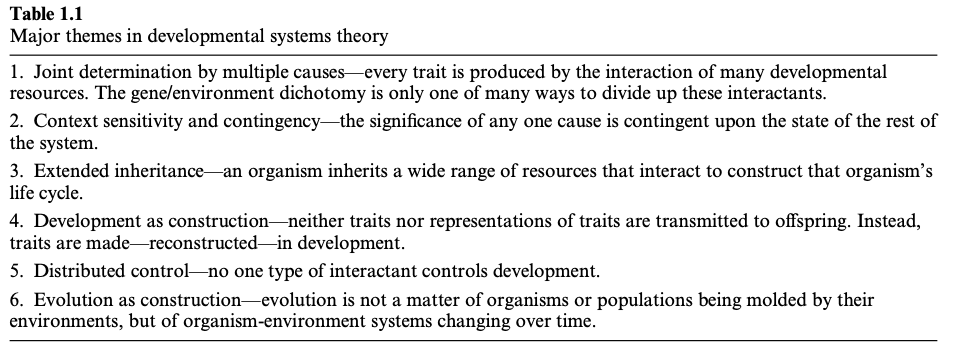
Oyama, Griffiths, & Gray (2001) Table 1.1

Oyama et al. (2001) Table 1.1

And evolutionary timescales

  • Jablonka & Lamb (2014)
  • Genetic, epigenetic, behavioral, and symbolic inheritance systems

If psychology is the study of

  • Behavior
  • Mental experience
  • What are the prerequisites for a science of behavior & mental experience?
  • Inspired by, grounded in, but not reduced to, biology?
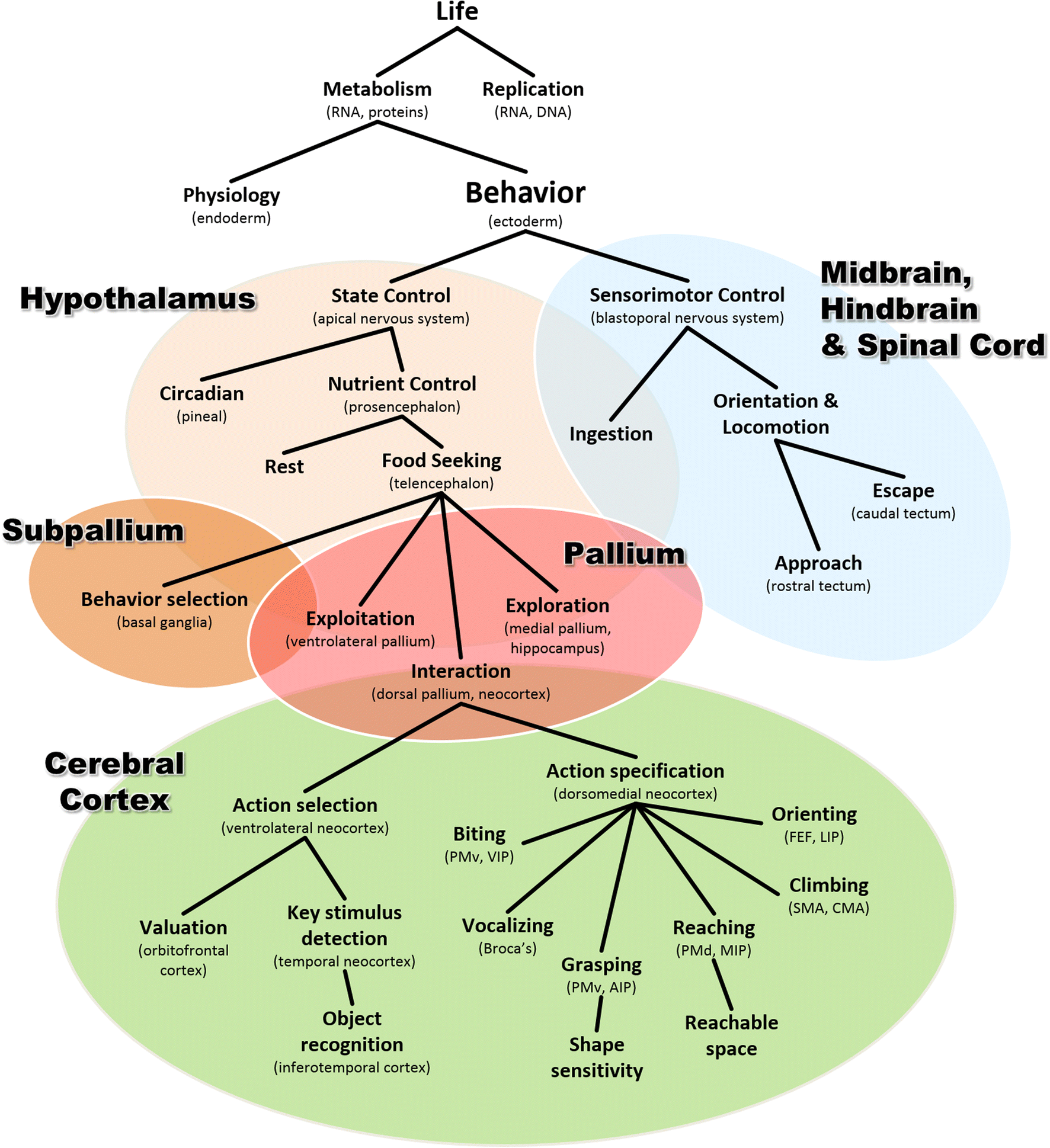
Cisek (2019) Figure 8

Cisek (2019) Figure 8

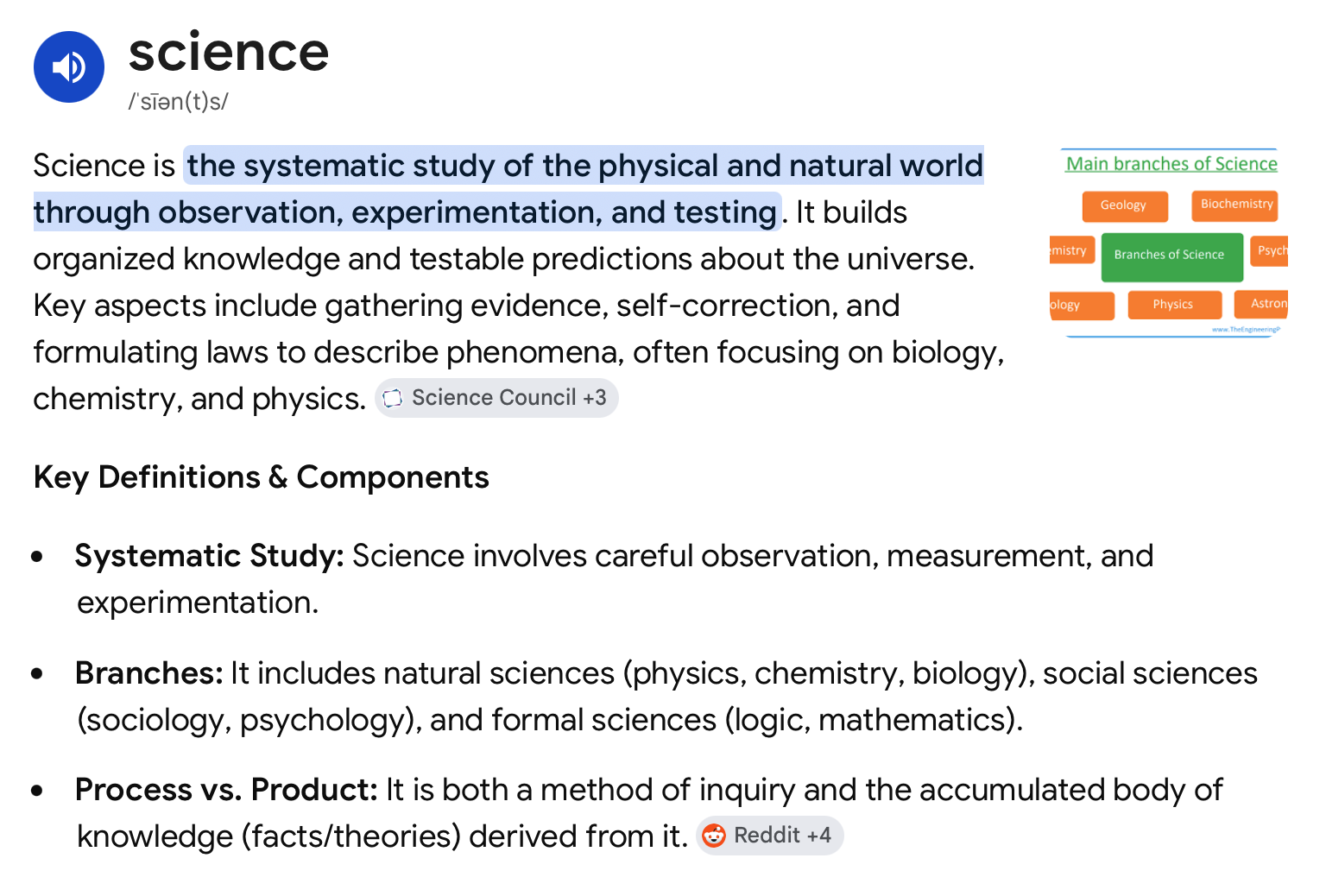
What is science?

  • A system for generating new knowledge
    • Discovering & describing lawful relations relating phenomena
  • Drawn from
    • Systematic observation & description
    • Experimental manipulation & testing

What is science?

  • Product & process
  • Qualitative & quantitative

Where is the behaviorome?
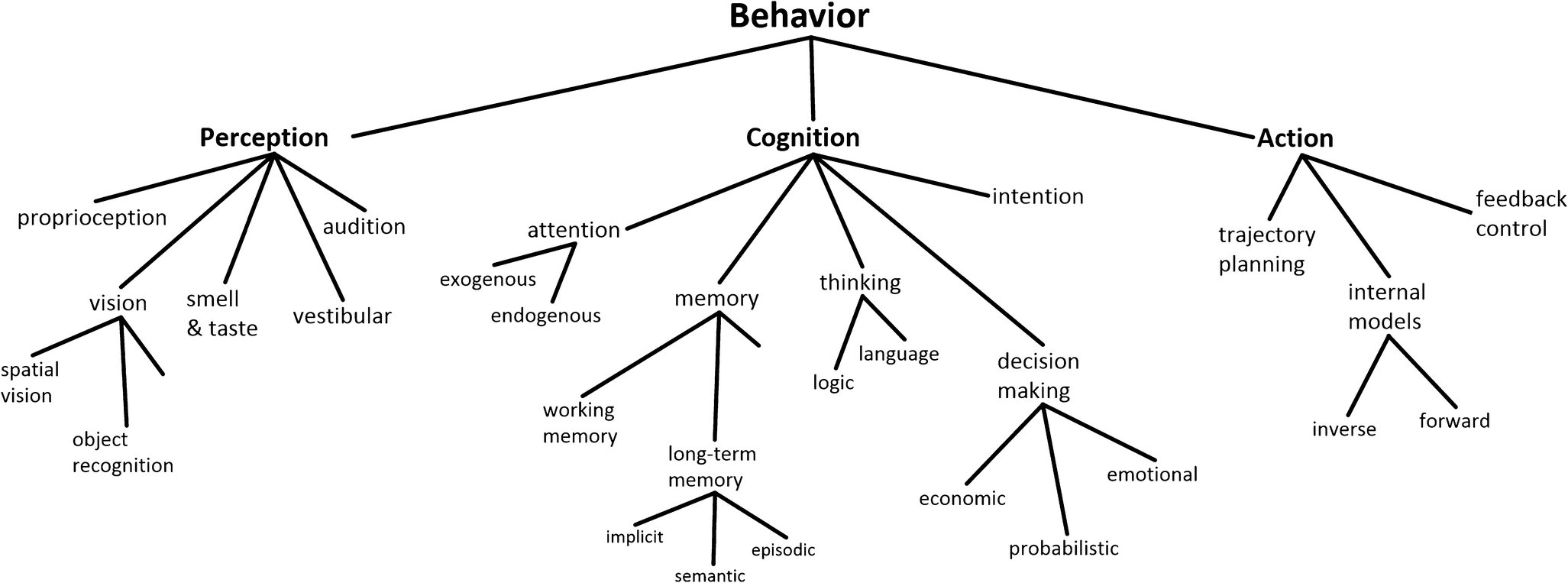
Figure 5: Cisek (2019) Figure 1

What are our laws?

  • How do we strengthen, build upon them?

Embrace

  • Embrace
    • Experimentation AND systematic description
  • Strive for
    • Descriptions of mental experience AND behavior AND biological states
  • Move from
    • Correlation to causation

Borrow from other nodes

Figure 6: Boyack et al. (2005) Figure 32

Things worth knowing more about

  • Math/Physics:
    • Feedback, control theory, cybernetics
    • Network science
    • Computation, representation (and its limitations)
  • Medicine:
    • Microbiome
    • Immunology, endocrinology, pharmacology, toxicology

Things worth knowing more about

  • Chemistry
    • Biochemistry, food science
  • Social sciences
    • Anthropology, sociology, political science, economics

As simple as possible, but no simpler

flowchart TD
  N[**N**ervous System] --> B[**B**ody]
  B --> W[**W**orld]
  W --> B
  B --> N
  M["**M**ind"] -.- N

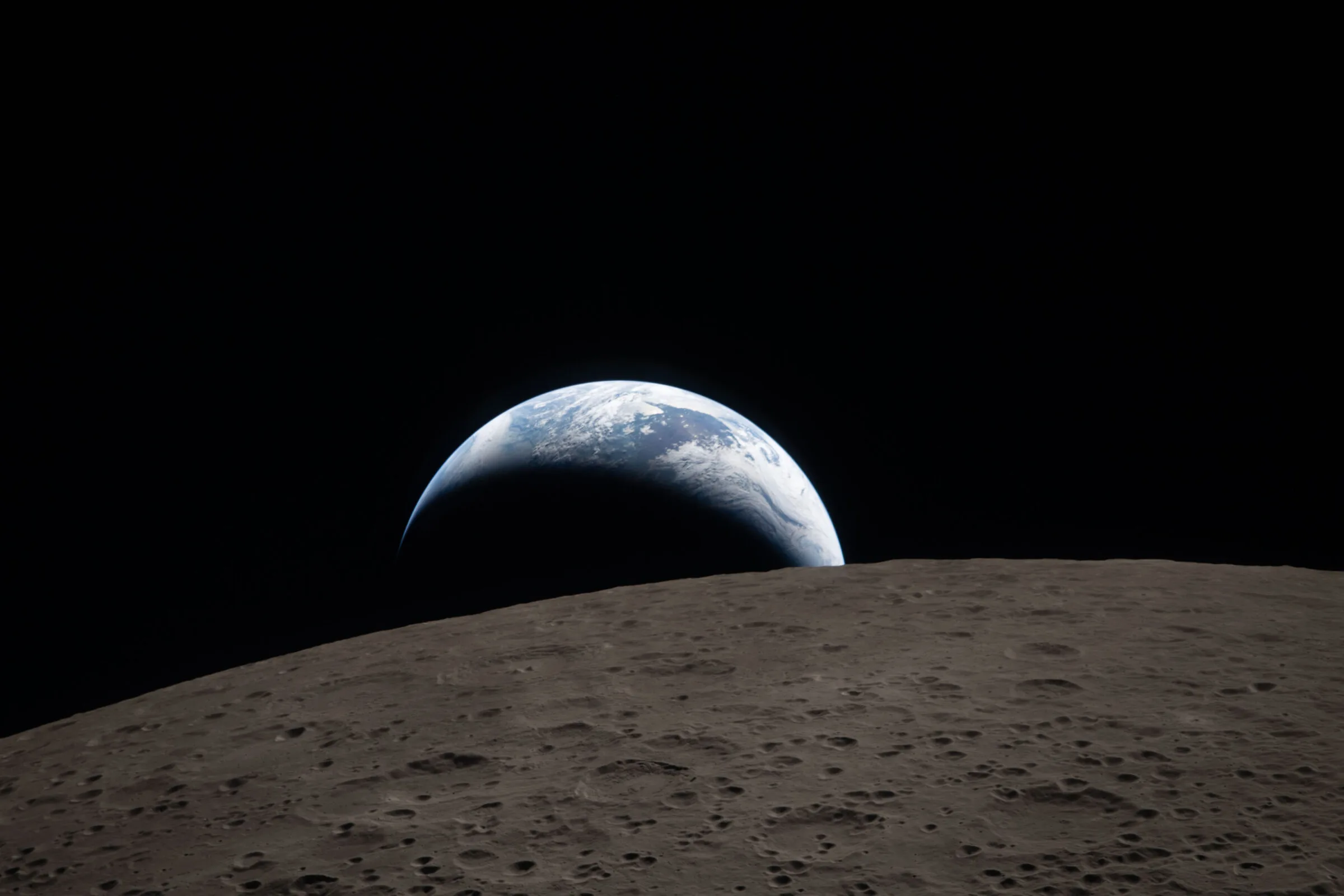
Figure 7: https://www.planetary.org/articles/the-best-images-from-artemis-ii

The Cerebral Symphony

Figure 8: smalin (2011)

Resources

About

This talk was produced using Quarto v1.8.27f, using the RStudio Integrated Development Environment (IDE), version 2026.4.0.526.

The source files are in R and R Markdown, then rendered to HTML using the revealJS framework. The HTML slides are hosted in a GitHub repo and served by GitHub pages: https://psu-psychology.github.io/psy-511-scan-fdns-2026-spring/

References

Boyack, K. W., Klavans, R., & Börner, K. (2005). Mapping the backbone of science. Scientometrics, 64, 351–374. https://doi.org/10.1007/s11192-005-0255-6
Bronfenbrenner, U. (1977). Toward an experimental ecology of human development. The American Psychologist, 32, 513–531. https://doi.org/10.1037/0003-066x.32.7.513
Cacioppo, J. (2007). Psychology is a hub science. APS Observer, 20. Retrieved from https://www.psychologicalscience.org/observer/psychology-is-a-hub-science
Cisek, P. (2019). Resynthesizing behavior through phylogenetic refinement. Attention, Perception & Psychophysics. https://doi.org/10.3758/s13414-019-01760-1
Guy-Evans, O. (2020). Bronfenbrenner’s ecological systems theory. Simply Psychology. Retrieved from https://www.simplypsychology.org/bronfenbrenner.html
Jablonka, E., & Lamb, M. J. (2014). Evolution in four dimensions: Genetic, epigenetic, behavioral, and symbolic variation in the history of life. Cambridge, MA: Bradford Books. Retrieved from https://www.amazon.com/Evolution-Four-Dimensions-Epigenetic-Philosophical/dp/0262525844
Oyama, S., Griffiths, P. E., & Gray, R. D. (2001). Cycles of contingency: Developmental systems and evolution. Xii, 377. Retrieved from https://psycnet.apa.org/record/2001-06709-000
Quote origin: Everything should be made as simple as possible, but not simpler. (n.d.). Retrieved April 22, 2026, from https://quoteinvestigator.com/2011/05/13/einstein-simple/
Rlzee. (2010, October). Immortal Beloved   Ode to Joy Scene. YouTube. Retrieved from https://www.youtube.com/watch?v=7qWbcosJdtU
Sejnowski, T. J., Churchland, P. S., & Movshon, J. A. (2014). Putting big data to good use in neuroscience. Nat. Neurosci., 17(11), 1440–1441. https://doi.org/10.1038/nn.3839
smalin. (2011, December). Beethoven, Symphony 9, 4th movement (complete) Ode to Joy, Presto, Philharmonia Baroque. YouTube. Retrieved from https://www.youtube.com/watch?v=ljGMhDSSGFU

Footnotes

  1. “Figure 3. Map of science generated using the CC-K50 similarity measure. The map is comprised of 7,121 journals from year 2000. Large font size labels identify major areas of science. Small labels denote the disciplinary topics of nearby large clusters of journals”

  2. “Figure 3. Map of science generated using the CC-K50 similarity measure. The map is comprised of 7,121 journals from year 2000. Large font size labels identify major areas of science. Small labels denote the disciplinary topics of nearby large clusters of journals”