Emotion I

2025-11-06

Rick Gilmore

Department of Psychology

Prelude

Number1AnimationFan (2007)

Pixar (2014)

Announcements

  • Quiz 3 moved to next Tuesday, November 11, 2025

Today’s topics

  • Warm up
  • The biology of emotion
  • Pleasure & reward

Warm up

Which of the following statements about bipolar disorder (BP) is incorrect?

  • A. BP is linked to disruption in a monoamine neurotransmitter system.
  • B. BP has high heritability.
  • C. BP is characterized by cycling affective states.
  • D. Mood stabilizers like lithium are common drug therapies for BP.

Which of the following statements about bipolar disorder is incorrect?

  • A. BP is linked to disruption in a monoamine neurotransmitter system.
  • B. BP has high heritability.
  • C. BP is characterized by cycling affective states.
  • D. Mood stabilizers like lithium are common drug therapies for BP.

The dopamine hypothesis of schizophrenia suggests that effective drug therapies should ______ levels of this neurotransmitter.

  • A. increase
  • B. cause seasonal variation in
  • C. ignore
  • D. decrease

The dopamine hypothesis of schizophrenia suggests that effective drug therapies should ______ levels of this neurotransmitter.

  • A. increase
  • B. cause seasonal variation in
  • C. ignore
  • D. decrease

Reuptake inhibitors like SSRIs and SNRIs act on what stage of synaptic transmission?

  • A. Exocytosis
  • B. Neurotransmitter inactivation
  • C. Ca++ entry via voltage-gated channels
  • D. Generation of EPSPs or IPSPs

Reuptake inhibitors like SSRIs and SNRIs act on what stage of synaptic transmission?

  • A. Exocytosis
  • B. Neurotransmitter inactivation
  • C. Ca++ entry via voltage-gated ion channels
  • D. Generation of excitatory or inhibitory post-synaptic potentials (PSPs)

The biology of emotion

Big questions

  • What is emotion?
  • What causes emotion?
  • What functions do emotions serve?
  • Where do emotions arise?

What is emotion?

The concept of ‘‘emotion’’ presents a particularly thorny problem. Even though the term is used very frequently, to the point of being extremely fashionable these days, the question ‘‘What is an emotion?’’ rarely generates the same answer from different individuals, scientists or laymen alike.

Scherer (2005)

What is emotion?

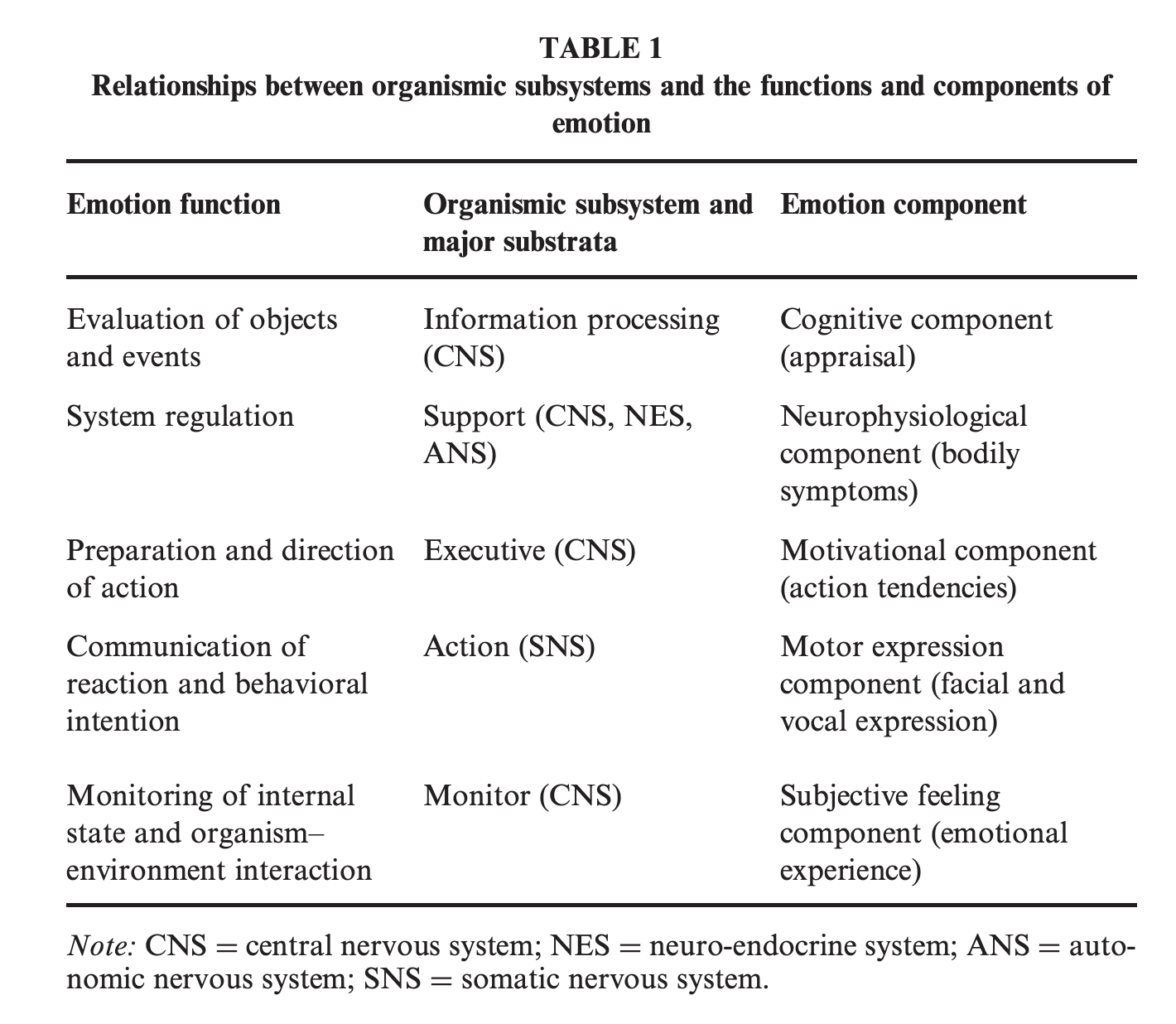
Scherer (2005) Table 1

Components of emotion

  • Cognitive appraisal
  • Bodily (physiological) symptoms
  • Motivation (action tendencies)
  • Action
  • Subjective feelings

What causes emotion?

Do we run from a bear because we are afraid or are we afraid because we run? William James posed this question more than a century ago, yet the notion that afferent visceral signals are essential for the unique experiences of distinct emotions remains a key unresolved question at the heart of emotional neuroscience.

Harrison, Gray, Gianaros, & Critchley (2010)

What causes emotion?

flowchart LR
  B[Bear] ---> M[Me]
  M ---> F[Fear]
  F ---> P[Physio]
  F ---> R[Run]

Competing views on causes

James-Lange theory

  • Physiological response -> subjective feelings

flowchart LR
  B[Bear] ---> M[Me]
  M ---> P[Physio]
  P ---> F[Fear]
  M ---> R[Run]

Cannon-Bard

  • Severing CNS (spinal cord & vagus, Xth n) from rest of body leaves emotional expression unchanged
  • Physiological states slow, don’t differentiate among emotions

flowchart LR
  B[Bear] ---> M[Me]
  M ---> P[Physio]
  M ---> F[Fear]
  M ---> R[Run]

Cannon-Bard theory

  • Physiology and feelings distinct
  • Hypothalamus (physiological response); dorsal thalamus (feelings)

flowchart LR
  B[Bear] ---> M[Me]
  M ---> P[Physio]
  M ---> F[Fear]
  M ---> R[Run]

Two factor theory

  • Also known as Singer-Schacter theory
  • Physiological arousal + cognitive appraisal -> Emotion states

flowchart LR
  B[Bear] ---> M[Me]
  M ---> P[Physio]
  M ---> A[Appraisal]
  A ---> F[Fear]
  P ---> F
  P ---> A
  M ---> R[Run]

Physiological states

The classical view of emotion hypothesizes that certain emotion categories have a specific autonomic nervous system (ANS) “fingerprint” that is distinct from other categories…

Siegel et al. (2018)

flowchart LR
  F[fear] ---> H(heart rate)
  F ---> B(blood pressure)
  P[happiness] ---> H
  P ---> B
  A[anger] ---> H
  A ---> B

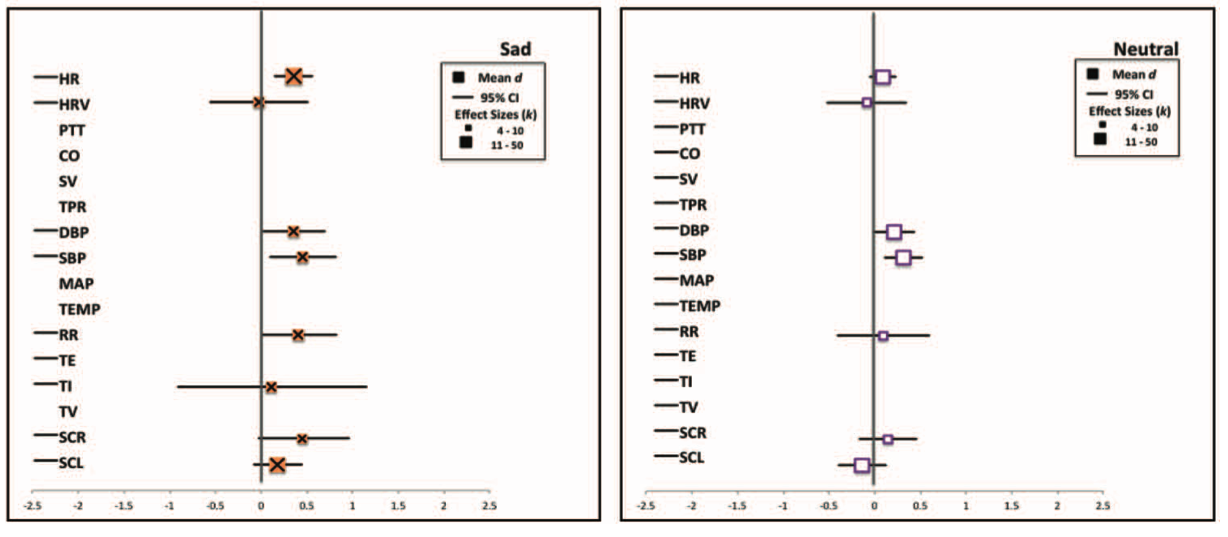
Physiological states

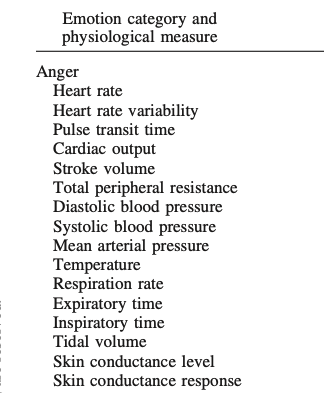
  • What ANS measures are part of this “fingerprint?”
  • Do they distinguish among emotion categories?

Siegel et al. (2018) Table 9.

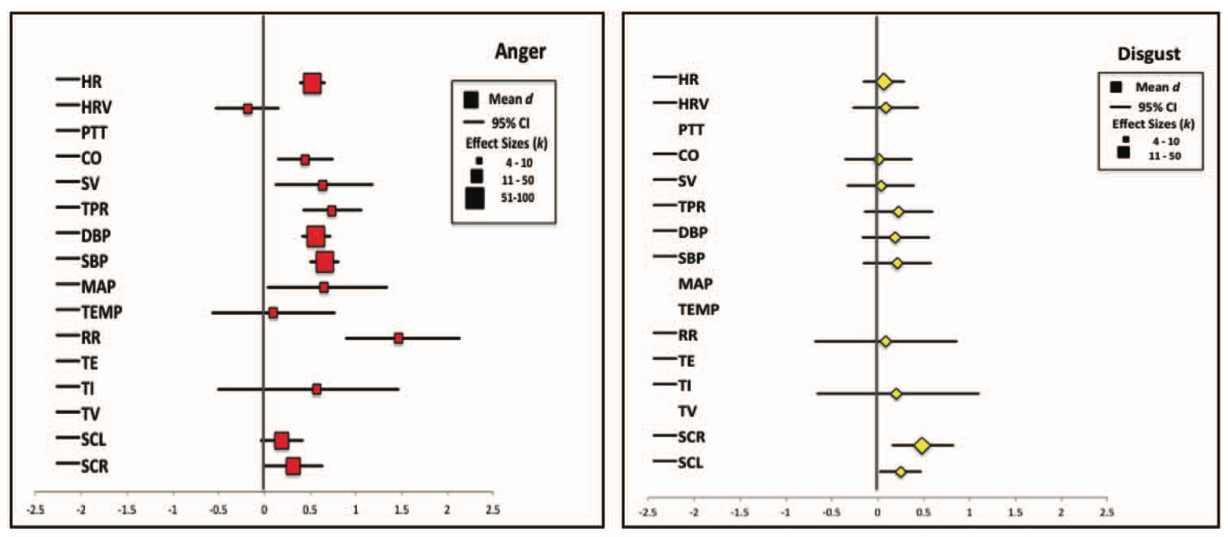
Physiological states

Siegel et al. (2018) Figure 6.

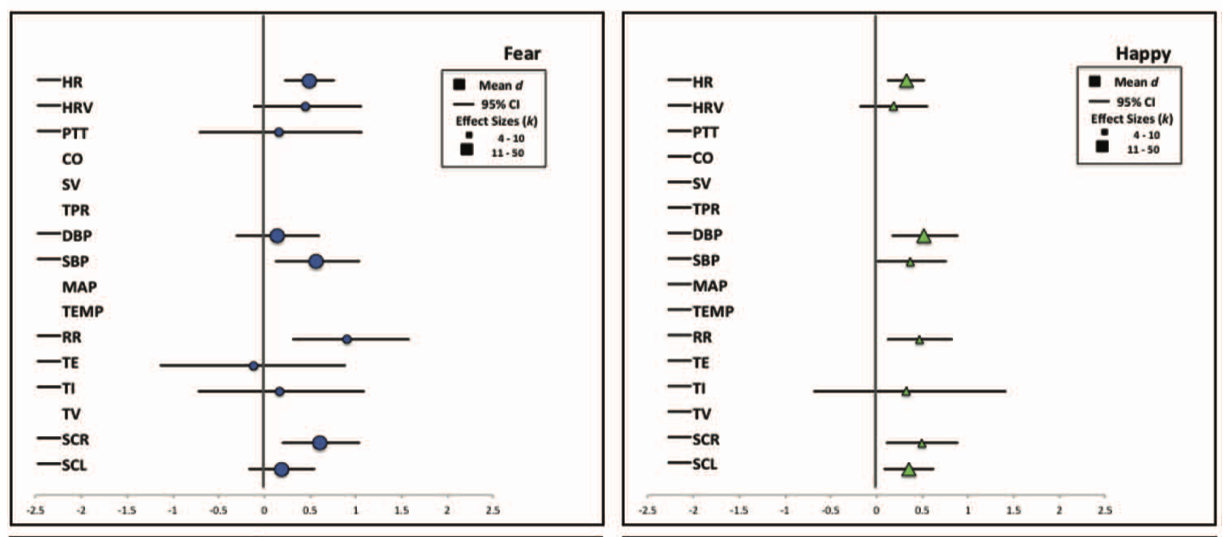
Siegel et al. (2018) Figure 6.

Siegel et al. (2018) Figure 6.

Physiological states

there is no 1-to-1 mapping between an emotion category and a specific autonomic nervous system response pattern. In addition, we observed substantial variability in autonomic nervous system changes during instances of the same emotion category that was not accounted for by experimental moderators (such as the way the emotion was induced).

Siegel et al. (2018)

Physiological states

These findings suggest that autonomic nervous system changes during emotion are less like a bodily fingerprint and more like a population of variable, context sensitive instances.

Siegel et al. (2018)

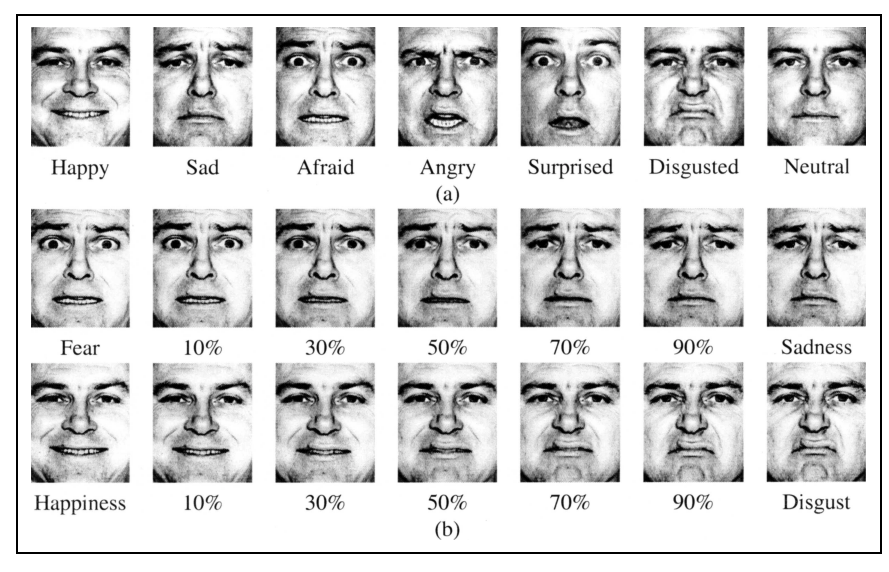
Emotion in action

Dailey, Cottrell, Padgett, & Adolphs (2002) Figure 1

Emotion in action

What emotion?

Stoop et al. (2020)

Emotion in action

How about now?

Stoop et al. (2020)

Feeling emotion

Nummenmaa, Glerean, Hari, & Hietanen (2014) Figure 1

Nummenmaa et al. (2014) Figure 2

What functions do emotions serve?

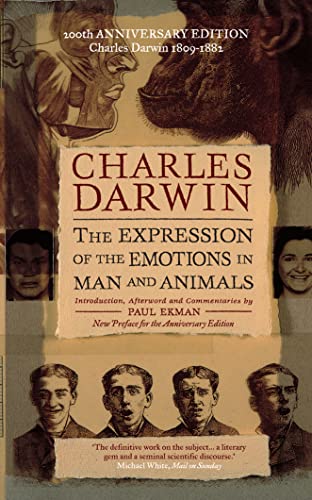
  • Charles Darwin, father of modern evolutionary theory
  • Similarities between animals in emotional expressions
  • Suggest similarities in function

Darwin (2012)

What functions do emotions serve?

  • Vary in valence
    • Positive/negative
  • Vary in intensity (arousal)

Wikipedia based on Plutchik (1980)

What functions do emotions serve?

  • Vary in action tendency
    • Approach/avoid
  • Biological goals
    • Ingestion (hunting/foraging)
    • Defense (fight/freeze/flee)
    • Reproduction
    • Affiliation

Wikipedia based on Plutchik (1980)

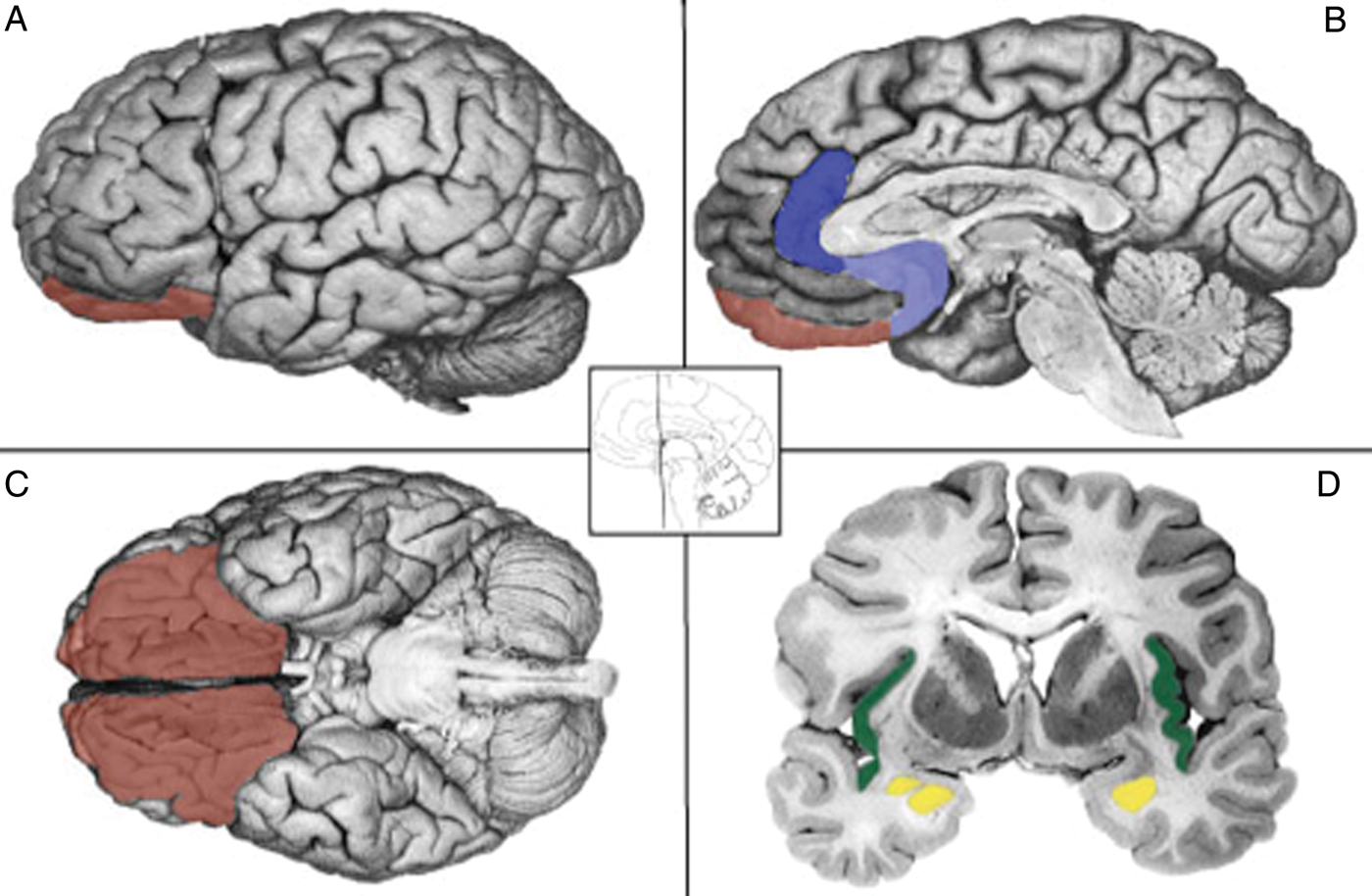
Where do emotions arise?

  • If emotions are localized, what are the locations?

Lindquist, Wager, Kober, Bliss-Moreau, & Barrett (2012) Figure 1. Fear: amygdala (yellow); Disgust: insula (green); Anger: OFC (rust); Sadness: ACC (blue)

Where do emotions arise?

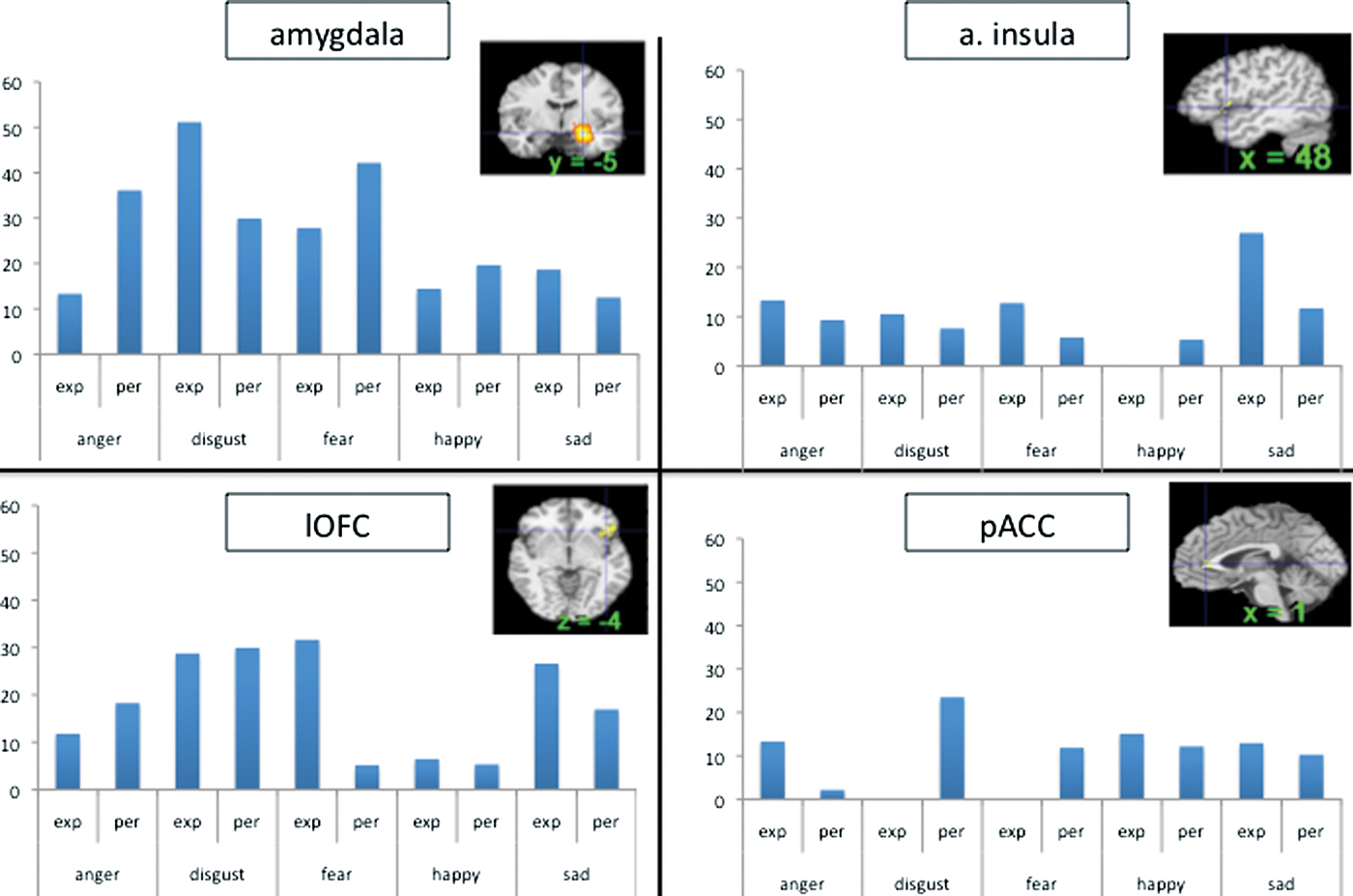
  • If emotions are localized, is activity emotion-specific?

Lindquist et al. (2012) Figure 1.

Where do emotions arise?

A psychological constructionist account of emotion assumes that emotions are psychological events that emerge out of more basic psychological operations that are not specific to emotion.

Lindquist et al. (2012)

Where do emotions arise?

mental categories such as anger, sadness, fear, et cetera, are not respected by the brain

Lindquist et al. (2012)

Where do emotions arise?

emotions emerge when people make meaning out of sensory input from the body and from the world using knowledge of prior experiences. Emotions are “situated conceptualizations” (cf. Barsalou 2003) because the emerging meaning is tailored to the immediate environment and prepares the person to respond to sensory input in a way that is tailored to the situation.

Lindquist et al. (2012)

Interim summary

  • Emotion consists of multiple components, including cognition & action tendencies
  • Emotions have distinguishable patterns of subjective feelings, external actions
  • Emotions do not have distinct ANS response patterns
  • Emotions do not have distinct brain activation patterns
  • Can’t be easily localized in the CNS

Pleasure & reward

Big questions

  • Components?
  • What functions these serve?
  • Where/how do these arise?

Components

  • Aristotle
  • Eudaimonia
    • Life satisfaction
  • Hedonia
    • Pleasure

Functions served

  • Approach vs. avoidant behaviors
  • Rewards
    • External events that reinforce (make more prevalent/probable) some behavior
  • Basis of operant conditioning

ashikkerib (2007)

Where & how do these arise?

  • Milner and Olds Milner (1989)
    • discovered ‘rewarding’ power of electrical self-stimulation
  • Heath (1963) studied effects in human patients.

Implications

  • Specific circuits signal pleasure
  • Similarities across animal species
    • Behavior & brain

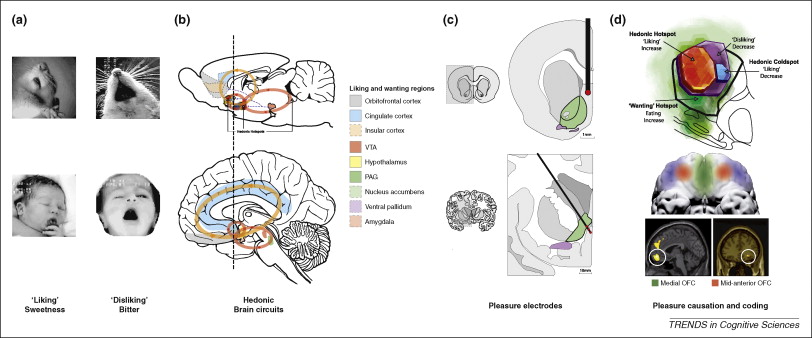
Implications

Kringelbach & Berridge (2009) Figure 2

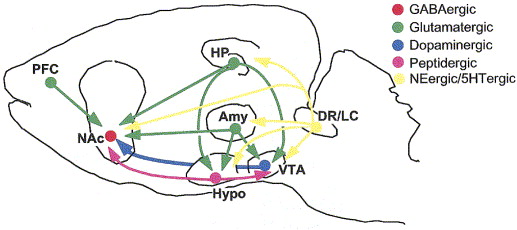
Circuit components

  • Ventral tegmental area (VTA) in midbrain
  • Nucleus accumbens (nAcc), ventral striatum
  • Dorsal Raphe Nucleus/Locus Coeruleus (DR/LC)

Nestler & Carlezon (2006) Figure 1

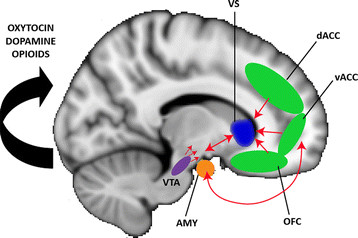
Circuit components

  • Hypothalamus (Hyp)
  • Amygdala (Amy)
  • Hippocampus (HP)
  • Prefrontal cortex (PFC)

Kohls, Chevallier, Troiani, & Schultz (2012) Figure 2

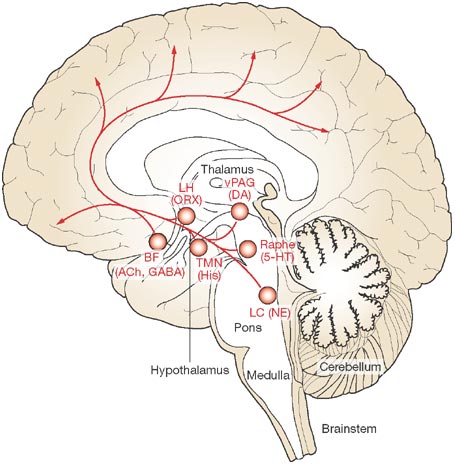
Neurotransmitters

  • Dopamine
  • Serotonin, Norepinephrine
  • ACh

Cock, Vidailhet, & Arnulf (2008) Figure 4

Dopamine memes

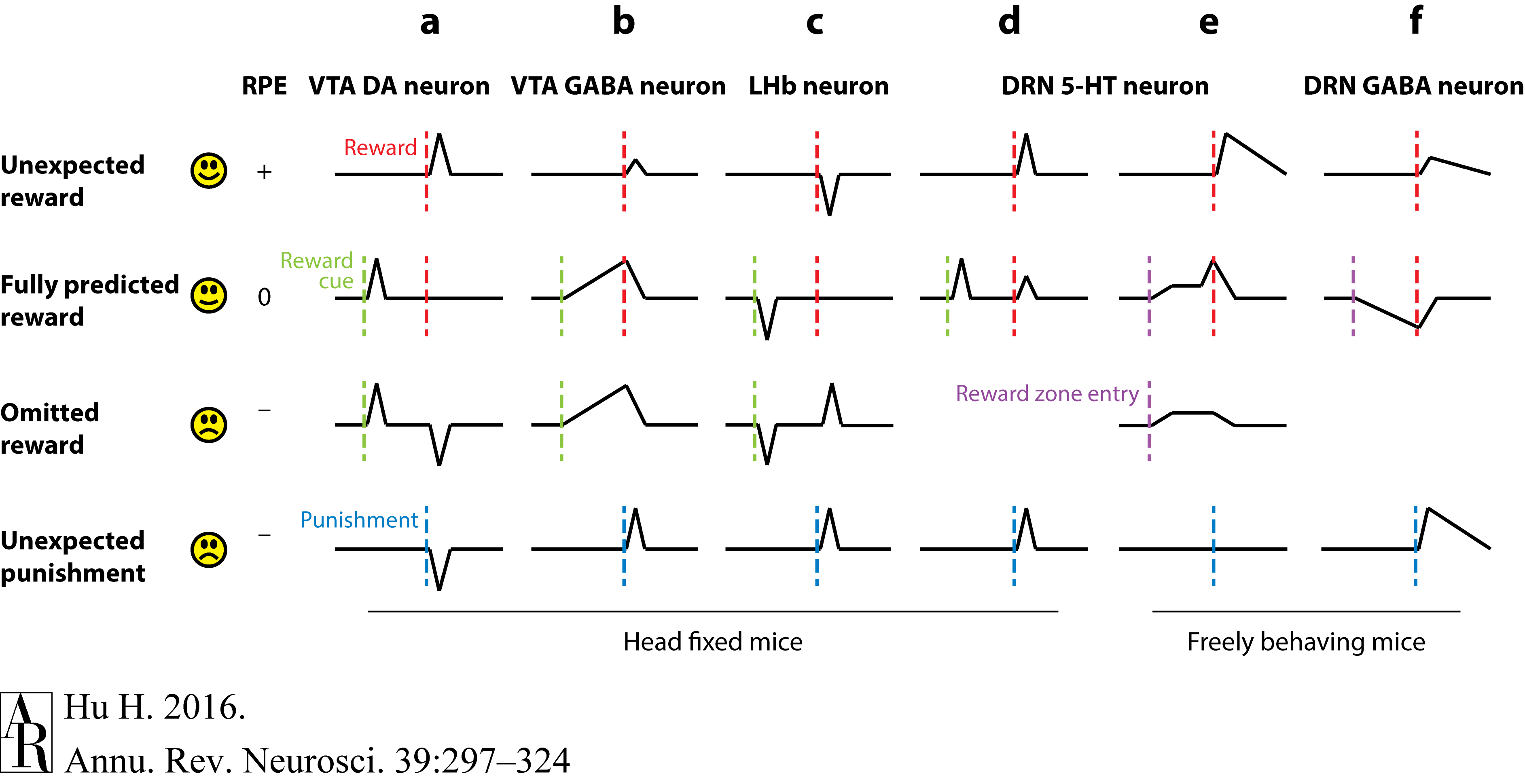
What does DA actually signal?

  • Differences between expected and actual rewards
  • Reward prediction error

Hu (2016)

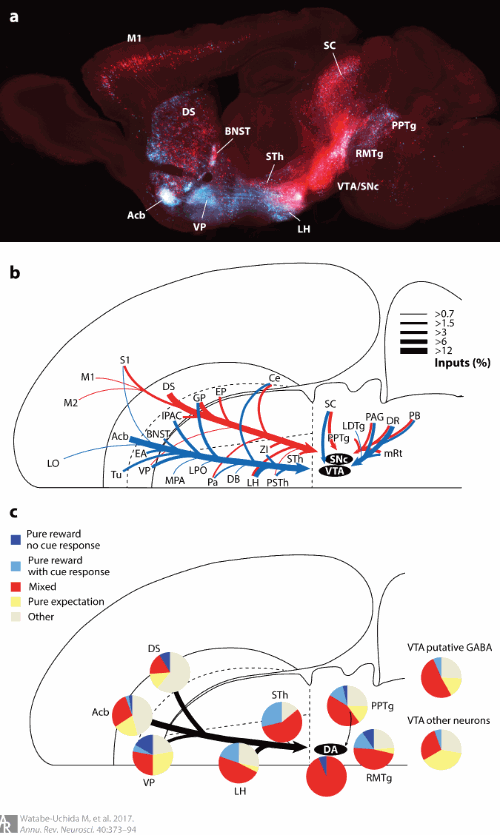
Inputs

  • DA network
    • Ventral tegmental area (VTA) and Substantia Nigra (SN)
    • Midbrain tegmentum
  • From across the brain

Watabe-Uchida, Eshel, & Uchida (2017) Figure 4

Reward & aversion networks interconnect

Hu (2016) Figure 3

Other neurotransmitters

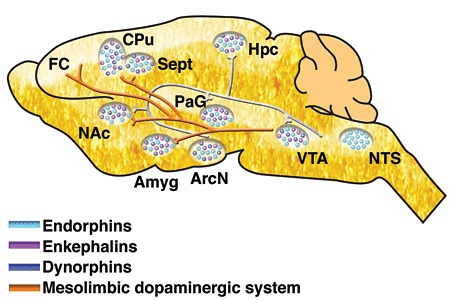
  • Endogenous morphines or endorphins
    • Opioids generated & released by the CNS
    • Sources include ventral tegmental area, nucleus accumbens, amygdala, etc.
  • Exogenous opioids (morphine, heroin, oxycontin) powerful pain relievers

Neurotransmitters

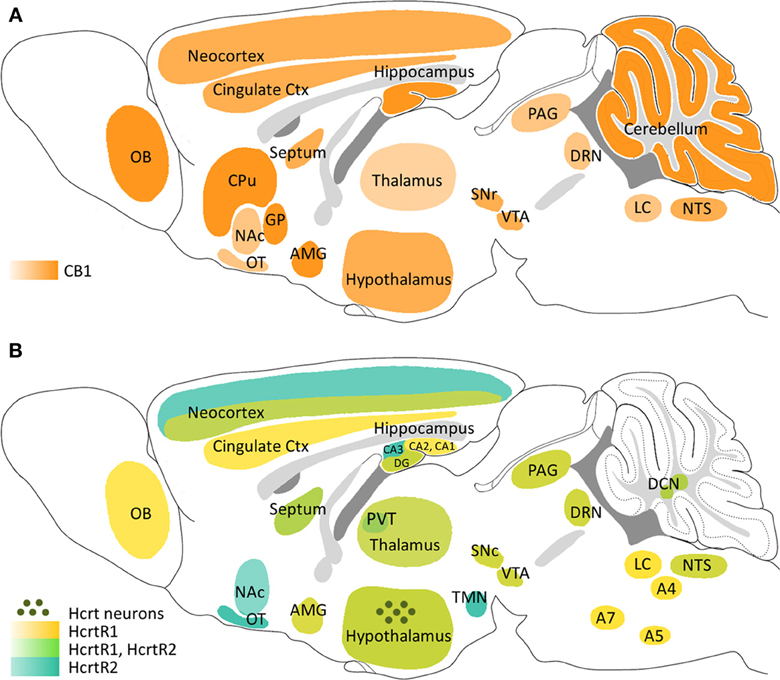
  • Cannabinoids == psychoactive compounds found in cannibis
  • Endogenous cannabinoids
    • Bind to receptors
    • CB1 in CNS; CB2 in body, immune system

Flores, Maldonado, & Berrendero (2013) Figure 1

Exogenous substances

  • Modulate endogenous neurotransmitter systems in some cases
  • Influence subjective feelings of pain, pleasure
  • Vary in relative health risk

Comparative risk

A comparative risk assessment of drugs including alcohol and tobacco using the margin of exposure (MOE) approach was conducted. The MOE is defined as ratio between toxicological threshold (benchmark dose) and estimated human intake. Median lethal dose values from animal experiments were used to derive the benchmark dose. The human intake was calculated for individual scenarios and population-based scenarios…

Lachenmeier & Rehm (2015)

Comparative risk

…For individual exposure the four substances alcohol, nicotine, cocaine, and heroin fall into the “high risk” category with MOE < 10, the rest of the compounds except THC fall into the “risk” category with MOE < 100.

Lachenmeier & Rehm (2015)

Comparative risk

The toxicological MOE approach validates epidemiological and social science-based drug ranking approaches especially in regard to the positions of alcohol and tobacco (high risk) and cannabis (low risk).

Lachenmeier & Rehm (2015)

Interim summary

  • Types of pleasure activate overlapping areas
  • Pleasure/happiness engage distributed brain network
    • VTA and ventral striatum/nucleus accumbens especially important

Interim summary

  • Pleasure/happiness signaling involves multiple NTs
    • DA especially important in signalling unexpected outcomes
  • “Reward” pathways activated multiple inputs
  • Some exogenous substances associated with feelings of pleasure or relief from pain bind to endogenous receptor systems

Wrap up

Main points

  • Feelings only one part of emotion
  • Emotion circuits in the CNS widely distributed, interconnected
  • Emotion circuits involve multiple NTs
  • No simple association among feelings, brain activation, & neurotransmitter release

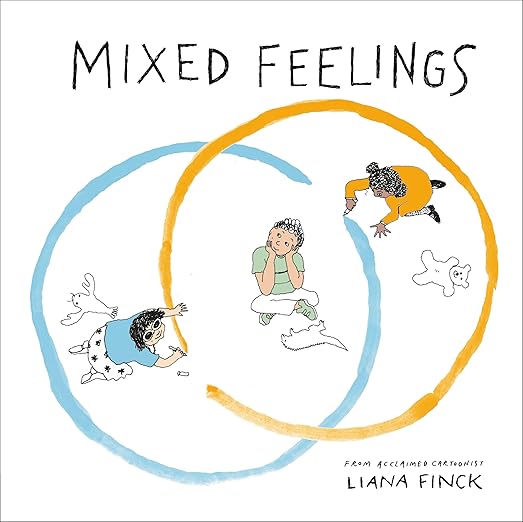
Finck (2025)

Next time

  • Quiz 3
  • Emotion II (fear & stress)

Resources

About

This talk was produced using Quarto, using the RStudio Integrated Development Environment (IDE), version r Sys.getenv("RSTUDIO_VER").

The source files are in R and R Markdown, then rendered to HTML using the revealJS framework. The HTML slides are hosted in a GitHub repo and served by GitHub pages: https://psu-psychology.github.io/psych-260-2025-fall/

References

ashikkerib. (2007, December). Brain mechanisms of pleasure and addiction. Youtube. Retrieved from https://www.youtube.com/watch?v=de_b7k9kQp0
Cock, V. C. D., Vidailhet, M., & Arnulf, I. (2008). Sleep disturbances in patients with parkinsonism. Nature Clinical Practice Neurology, 4(5), 254–266. https://doi.org/10.1038/ncpneuro0775
Dailey, M. N., Cottrell, G. W., Padgett, C., & Adolphs, R. (2002). EMPATH: A neural network that categorizes facial expressions. Journal of Cognitive Neuroscience, 14, 1158–1173. https://doi.org/10.1162/089892902760807177
Darwin, C. (2012). The expression of the emotions in man and animals. CreateSpace Independent Publishing Platform. Retrieved from https://www.amazon.com/Expression-Emotions-Man-Animals/dp/1470188880
Finck, L. (2025). Mixed feelings. Penguin Young Readers.
Flores, Á., Maldonado, R., & Berrendero, F. (2013). Cannabinoid-hypocretin cross-talk in the central nervous system: What we know so far. Neuropharmacology, 7, 256. https://doi.org/10.3389/fnins.2013.00256
Harrison, N. A., Gray, M. A., Gianaros, P. J., & Critchley, H. D. (2010). The embodiment of emotional feelings in the brain. J. Neurosci., 30(38), 12878–12884. https://doi.org/10.1523/JNEUROSCI.1725-10.2010
Heath, R. G. (1963). Electrical self-stimulation of the brain in man. American Journal of Psychiatry, 120(6), 571–577. https://doi.org/10.1176/ajp.120.6.571
Hu, H. (2016). Reward and aversion. Annual Review of Neuroscience, 39, 297–324. https://doi.org/10.1146/annurev-neuro-070815-014106
Kohls, G., Chevallier, C., Troiani, V., & Schultz, R. T. (2012). Social ‘wanting’dysfunction in autism: Neurobiological underpinnings and treatment implications. Journal of Neurodevelopmental Disorders, 4(10), 1–20. https://doi.org/10.1186/1866-1955-4-10
Kringelbach, M. L., & Berridge, K. C. (2009). Towards a functional neuroanatomy of pleasure and happiness. Trends in Cognitive Sciences, 13(11), 479–487.
Lachenmeier, D. W., & Rehm, J. (2015). Comparative risk assessment of alcohol, tobacco, cannabis and other illicit drugs using the margin of exposure approach. Scientific Reports, 5, 8126. https://doi.org/10.1038/srep08126
Leventhal, H., & Scherer, K. (1987). The relationship of emotion to cognition: A functional approach to a semantic controversy. Cognition & Emotion, 1, 3–28. https://doi.org/10.1080/02699938708408361
Lindquist, K. A., Wager, T. D., Kober, H., Bliss-Moreau, E., & Barrett, L. F. (2012). The brain basis of emotion: A meta-analytic review. Behav. Brain Sci., 35(3), 121–143. https://doi.org/10.1017/S0140525X11000446
Milner, P. M. (1989). The discovery of self-stimulation and other stories. Neuroscience & Biobehavioral Reviews, 13(2–3), 61–67. https://doi.org/10.1016/S0149-7634(89)80013-2
Nestler, E. J., & Carlezon, W. A. (2006). The mesolimbic dopamine reward circuit in depression. Biological Psychiatry, 59(12), 1151–1159. https://doi.org/10.1016/j.biopsych.2005.09.018
Number1AnimationFan. (2007). "Happiness" from "you’re a good man, charlie brown!". YouTube. Retrieved from https://www.youtube.com/watch?v=hKKjqzkGo3o&t=85s
Nummenmaa, L., Glerean, E., Hari, R., & Hietanen, J. K. (2014). Bodily maps of emotions. Proceedings of the National Academy of Sciences of the United States of America, 111(2), 646–651. https://doi.org/10.1073/pnas.1321664111
Pixar. (2014, December). Inside out - official US trailer. YouTube. Retrieved from https://www.youtube.com/watch?v=yRUAzGQ3nSY
Plutchik, R. (1980). Emotion: A psychoevolutionary synthesis. Harpercollins College Division.
Scherer, K. R. (2005). What are emotions? And how can they be measured? Social Sciences Information. Information Sur Les Sciences Sociales, 44, 695–729. https://doi.org/10.1177/0539018405058216
Siegel, E. H., Sands, M. K., Van den Noortgate, W., Condon, P., Chang, Y., Dy, J., … Barrett, L. F. (2018). Emotion fingerprints or emotion populations? A meta-analytic investigation of autonomic features of emotion categories. Psychological Bulletin, 144(4), 343–393. https://doi.org/10.1037/bul0000128
Stoop, T. B., Moriarty, P. M., Wolf, R., Gilmore, R. O., Perez-Edgar, K., Scherf, K. S., … Cole, P. M. (2020). I know that voice! Mothers’ voices influence children’s perceptions of emotional intensity. Journal of Experimental Child Psychology, 199, 104907. https://doi.org/10.1016/j.jecp.2020.104907
Watabe-Uchida, M., Eshel, N., & Uchida, N. (2017). Neural circuitry of reward prediction error. Annual Review of Neuroscience, 40, 373–394. https://doi.org/10.1146/annurev-neuro-072116-031109
Wikipedia contributors. (2025a, September 9). James–Lange theory. Retrieved from https://en.wikipedia.org/wiki/James%E2%80%93Lange_theory
Wikipedia contributors. (2025b, September 27). Cannon–Bard theory. Retrieved from https://en.wikipedia.org/wiki/Cannon%E2%80%93Bard_theory
Wikipedia contributors. (2025c, November 5). Two-factor theory of emotion. Retrieved from https://en.wikipedia.org/wiki/Two-factor_theory_of_emotion