Sensory Systems

2025-11-13

Rick Gilmore

Department of Psychology

Prelude

TheWhoVEVO (2016)

Today’s topics

  • Warm up
  • Sensory systems

Warm up

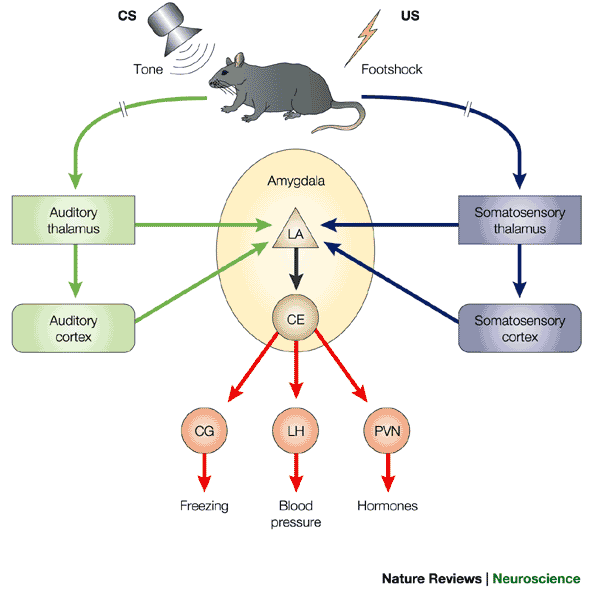
Which of the following brain areas are not implicated in the threat conditioning paradigm?

  • A. amygdala
  • B. auditory thalamus
  • C. somatosensory thalamus
  • D. visual cortex (V1)

Which of the following brain areas are not implicated in the threat conditioning paradigm?

  • A. amygdala
  • B. auditory thalamus
  • C. somatosensory thalamus
  • D. visual cortex (V1)

Medina, Repa, Mauk, & LeDoux (2002) Figure 2

The hypothalamus gets input from this structure as part of the system regulating hormonal and ANS responses to threat.

  • A. ventral tegmental area (VTA)
  • B. amygdala
  • C. cerebellum
  • D. olfactory bulb

The hypothalamus gets input from this structure as part of the system regulating hormonal and ANS responses to threat.

  • A. ventral tegmental area (VTA)
  • B. amygdala
  • C. cerebellum
  • D. olfactory bulb

Whether stressors are ______ or _______ influences whether they cause long-term health problems.

  • A. loud; quiet
  • B. bright; dim
  • C. social; chemical
  • D. acute; chronic

Whether stressors are ______ or _______ influences whether they cause long-term health problems.

  • A. loud; quiet
  • B. bright; dim
  • C. social; chemical
  • D. acute; chronic

Sensory Systems

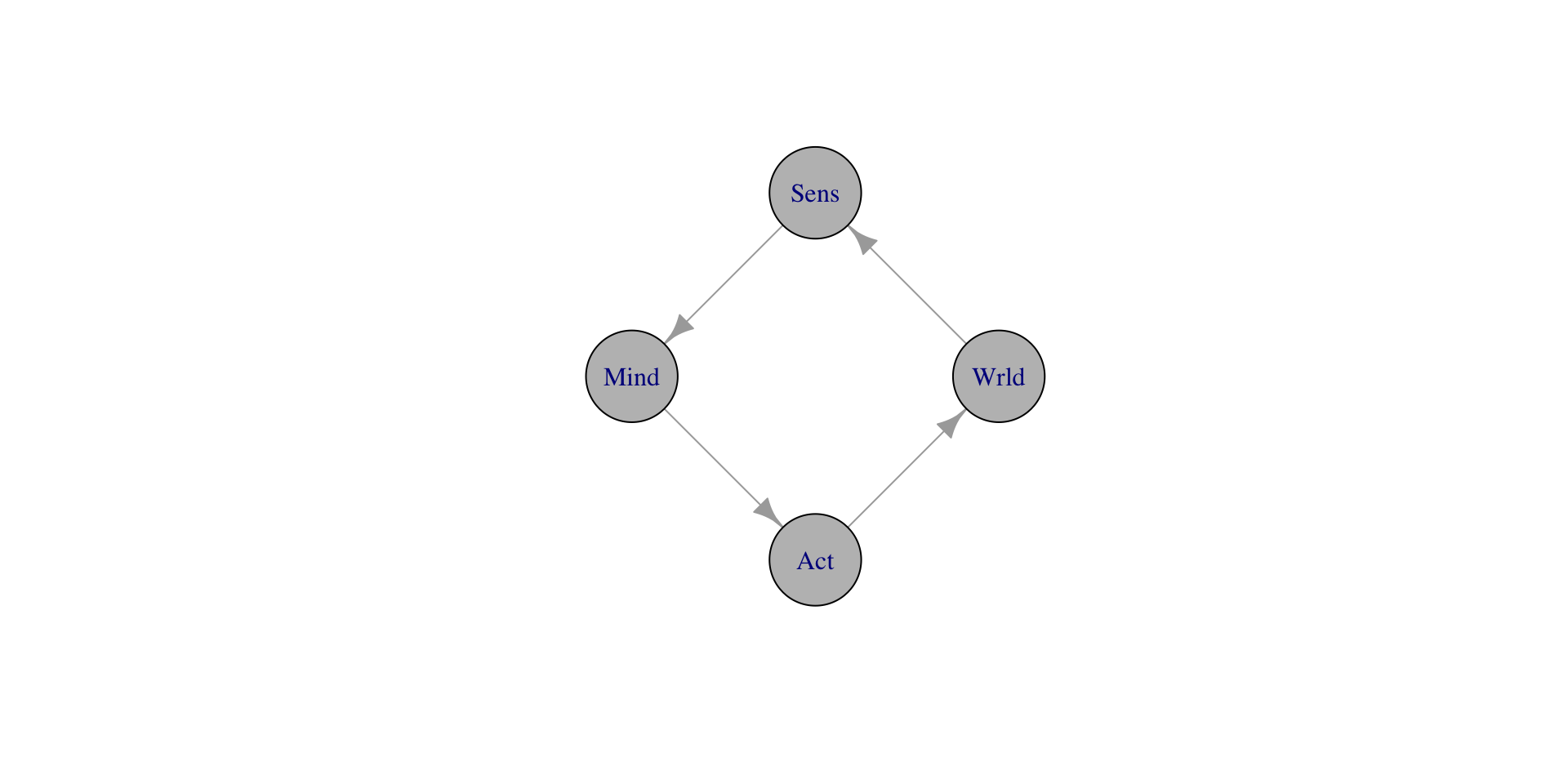
Minds in the world

Perception/action systems

Gibson 1966

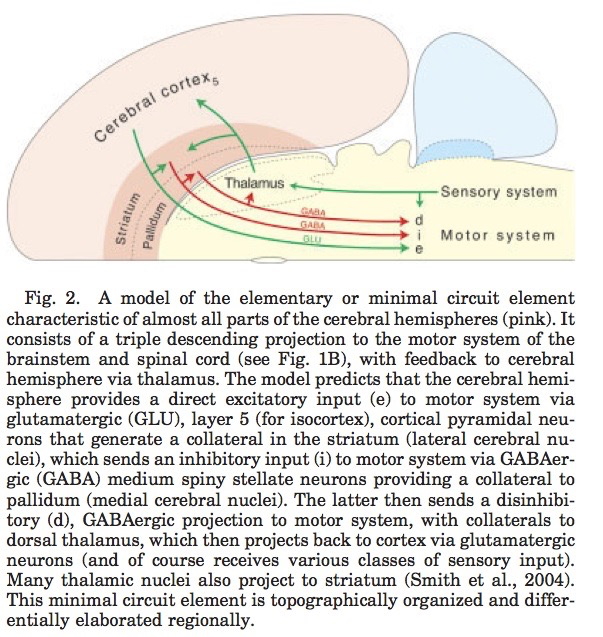
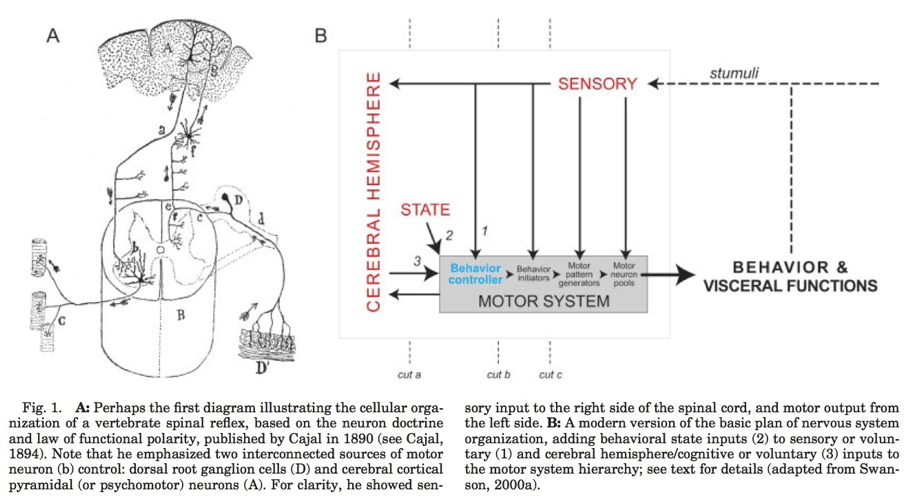
Perception/action systems

Figure 10.2 from Swanson (2012)

Figure 1 from Swanson (2005)

My smartphone and me…

Smartphone design goals

  • What information do your users need to acquire?
  • Why do they need to know it? In what context, for what purpose?
  • What types of information does your device need to gather, through which channels?

Important

  • Animal sensory systems not designed per se
  • Evolution via natural selection can look like design

Smartphone sensors

  • Accelerometer
  • Gyroscope
  • Magnetometer
  • Proximity sensor
  • Ambient light sensor
  • Barometer
  • Thermometer
  • Mic
  • Camera
  • Radios (Bluetooth, wifi, cellular, GPS)

Todorov (2014)

My turn…

  • What information do I need to acquire?
  • Why do I need to know it? In what context & for what purpose?
  • What types of information do I need to gather, through which channels?

Types of sensory processing

  • Interoceptive
    • How am I?
  • Exteroceptive
    • What’s in the world, where is it?

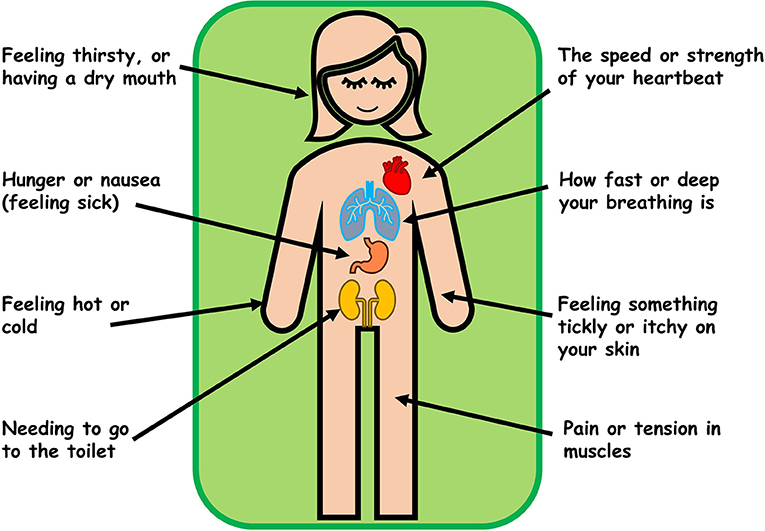
Questions for interoception

  • Tired or rested?
  • Well or ill?
  • Hungry or thirsty or sated?
  • Stressed vs. coping?
  • Emotional state?
  • Where am I?

Barker, Brewer, & Murphy (2021)

“Scripps research-led team receives $14.2M NIH award to map the body’s ‘hidden sixth sense’ (2025)

Questions for exteroception

  • Who/What is out there?
  • Where is it?

Mrs. Potraz was wrong…

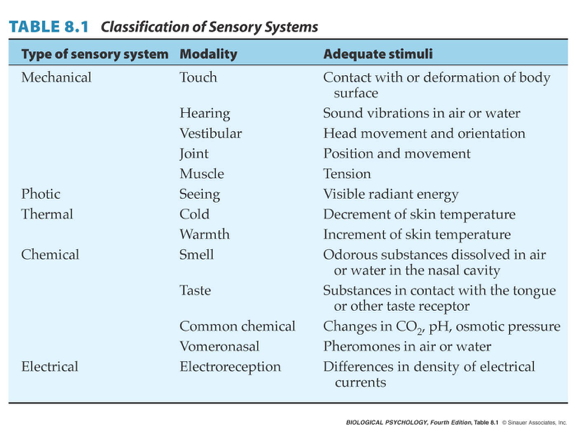
  • More than 5 senses!

From physics to psychology

  • What is the energy/chemical channel?
  • Channels carry different types of information about
    • What is out there?
    • Where is it located or moving?
  • Channels convey information
    • at different rates
    • with varied precision
  • Similar information often signaled by multiple sources

Psychophysics

  • Earliest field of scientific psychology, origins in mid-1800s
  • How precisely do human observers detect physical properties?
  • Emphasizes quantitative relationships, precise measurement
  • More: Wikipedia contributors (2025)

Case studies in sensory systems

  • Vision
  • Audition
  • Chemosensation
  • Somatosensation

Vision

  • Source: Electromagnetic radiation
  • Reflected from surfaces
  • Emitted by sources (e.g., sun, screens)

Wikipedia

Vision

  • What is it?
    • Shape, size, surface properties (color, texture, reflectance, etc.)
    • Wavelength/frequency, intensity
  • Where is it?
    • Position: Left/right; up/down on retina
    • Near/far: retinal disparity, interposition, height above horizon…
    • Orientation, motion

Audition

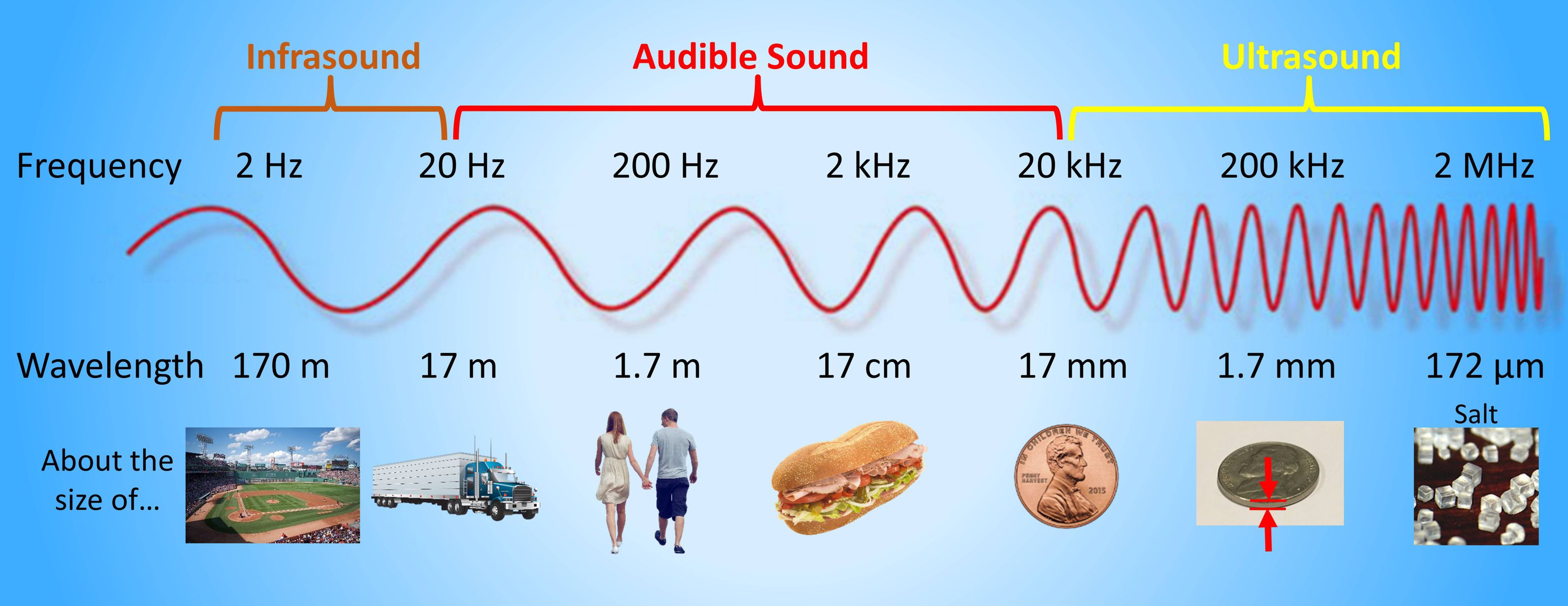
  • Source: Mechanical vibrations in air or water

Audition

  • What is it?
    • Pattern of frequencies, amplitudes, durations
  • Where is it?
    • Left/right or up/down: Interaural time/phase, intensity differences, pinnae filtering
    • Motion: Frequency shifts via Doppler effect

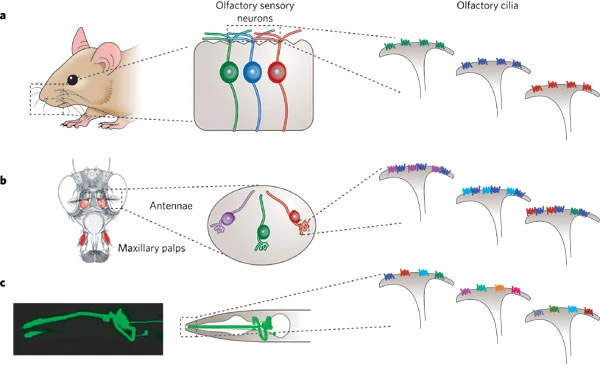
Chemosensation

  • Source: Chemicals in mouth, nasal cavity, elsewhere

Bargmann (2006)

Chemosensation

  • What is it?
    • Mixtures of chemicals
  • Where is it?
    • Left/right; up/down; near/far via intensity gradients

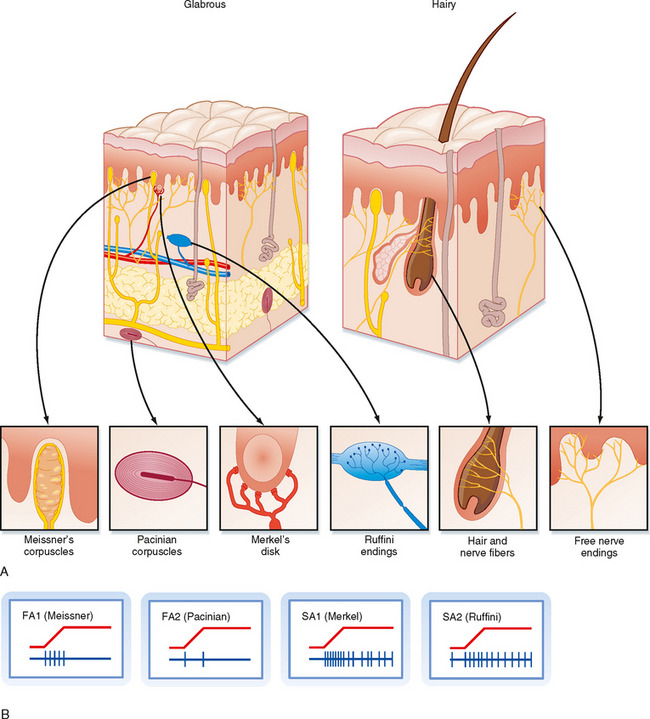
Somatosensation

  • Source: Thermal or mechanical stimulation (vibration/pressure) of skin

https://basicmedicalkey.com/the-somatosensory-system/

Somatosensation

  • What is it?
    • Shape, size, smoothness, mass, temperature, deformability: Pattern of stimulation
  • Where it it?
    • Pattern of cutaneous receptors on skin

Interoception

  • Hunger/thirst
    • Receptors for nutrient, fluid levels
  • Energy levels
    • Receptors for hormones, NTs
    • ANS responses

Figure 2 from Namkung, Kim, & Sawa (2017)

Interoception

  • Temperature
    • Receptors in skin, viscera
  • Body position & movement (proprioception)
    • Receptors in muscles, joints, skin

Figure 2 from Namkung et al. (2017)

Common features

  • Signals change across time and space
    • Consist of repeating patterns
  • Involve comparisons across multiple sensors
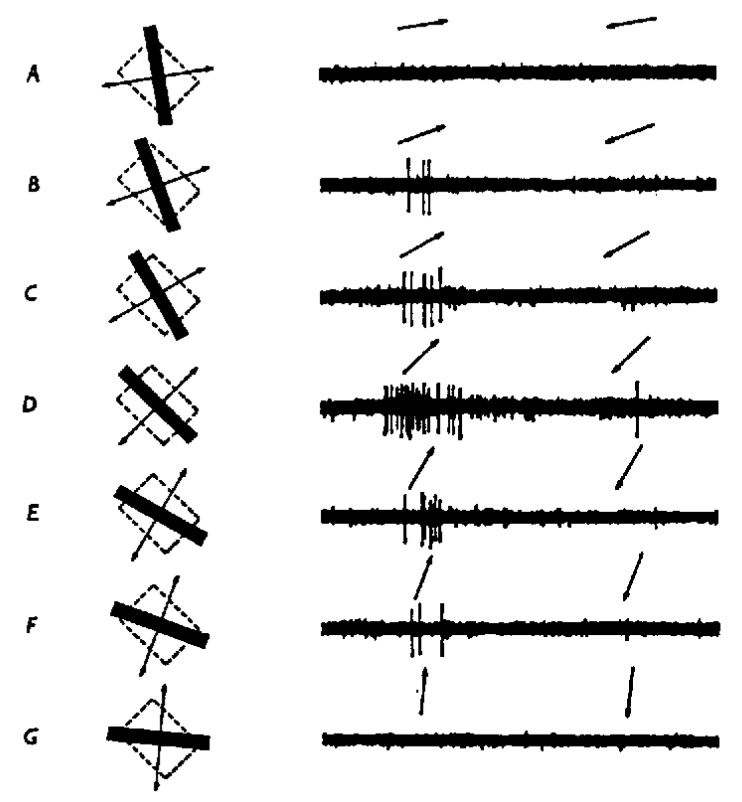
  • Specialized neurons
  • Receptive fields
  • Brain regions contain topographic maps
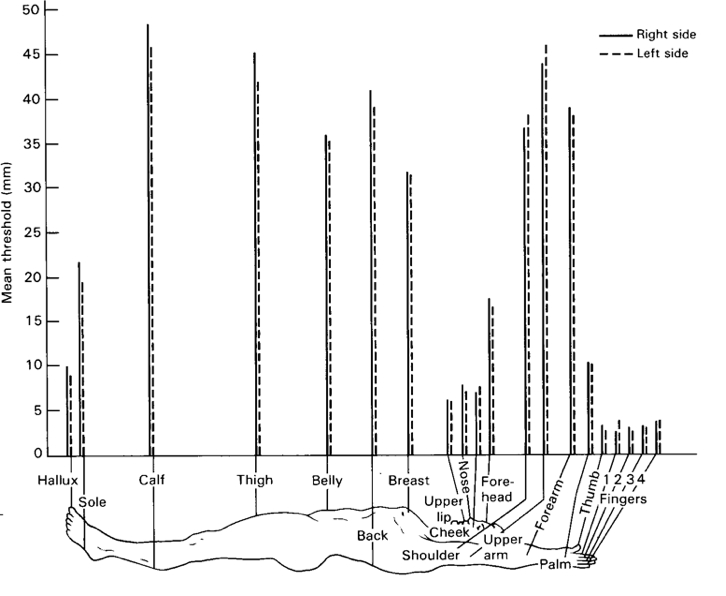
  • Sensitivity is non-uniform

Change across time

  • Tonic (sustained) vs. phasic (transient) responses

https://humanphysiology.academy/Neurosciences%202015/Chapter%202/P.2.1%20Afferents.html

Change across time

  • Adaptation
    • Decline in sensitivity with sustained stimulation
    • Most sensory systems attuned to change

https://hoeftvision.weebly.com/adaptation.html

Measuring sensitivity to change

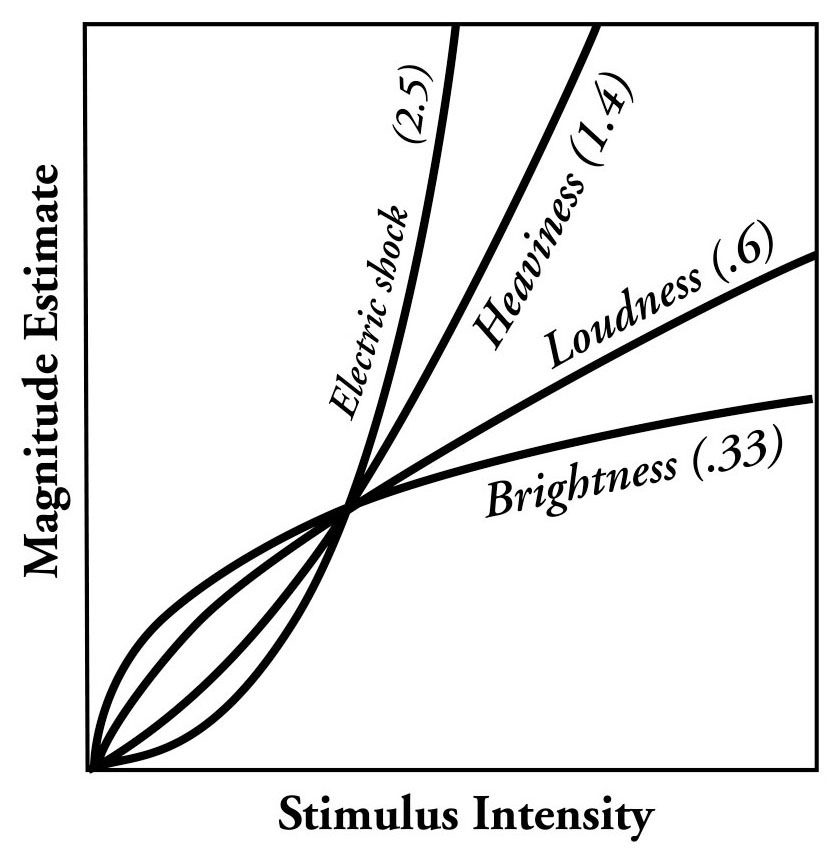
  • Just noticeable difference (JND): How much of a change is noticeable?
    • Most psychophysical functions are non-linear
    • JND a function of absolute intensity!

Psychophysical functions

Information propagates in CNS at different speeds

  • Bigger diameter: Faster
  • Denser myelin: Faster

Information consists of repeating signals

  • e.g., patterns
  • In space (textures)
  • In time

Vision

  • Spatial frequency/contrast sensitivity

Roark & Stringham (2019) Figure 1

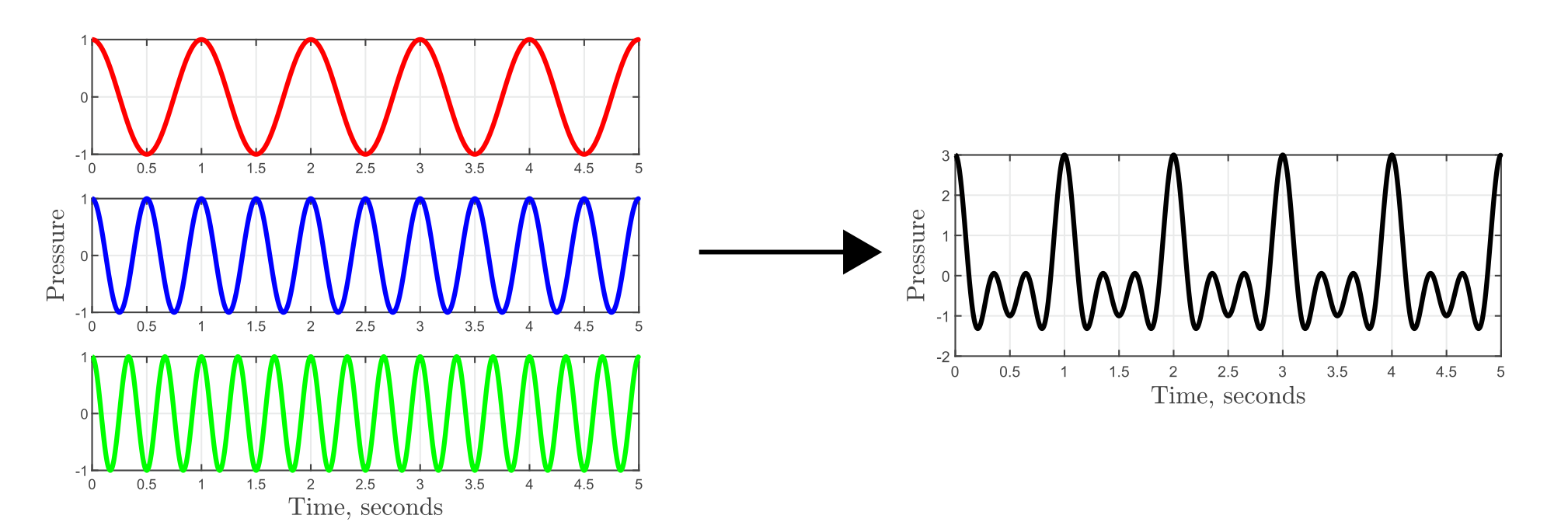
Audition

  • Frequencies in sound

https://www.mwmresearchgroup.org/blog/key-concepts-fourier-transforms-and-signal-processing

Somatosensation:

  • Textures

Figure 1 from https://www.frontiersin.org/articles/10.3389/fnhum.2022.862344/full

Compare (>1) sensors located in different parts of the body

  • Eyes
  • Ears
  • Skin surface
  • Nostrils
  • Tongue

Specialized neurons

  • Photoreceptors

Wikipedia

Specialized neurons

  • Cochlear hair cells

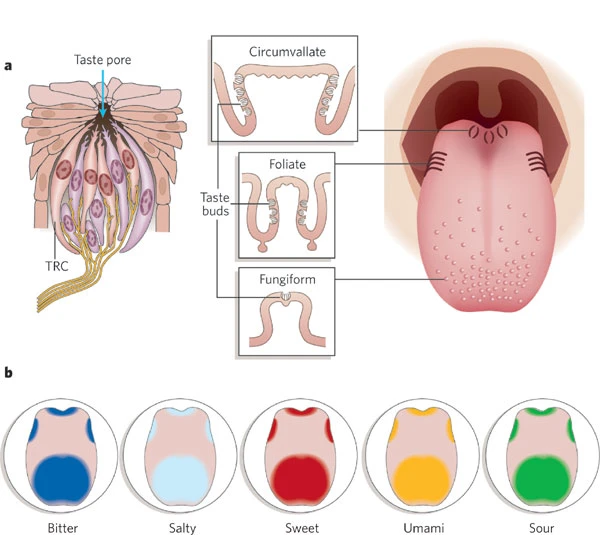
Specialized neurons

  • taste receptor cells

Chandrashekar, Hoon, Ryba, & Zuker (2006)

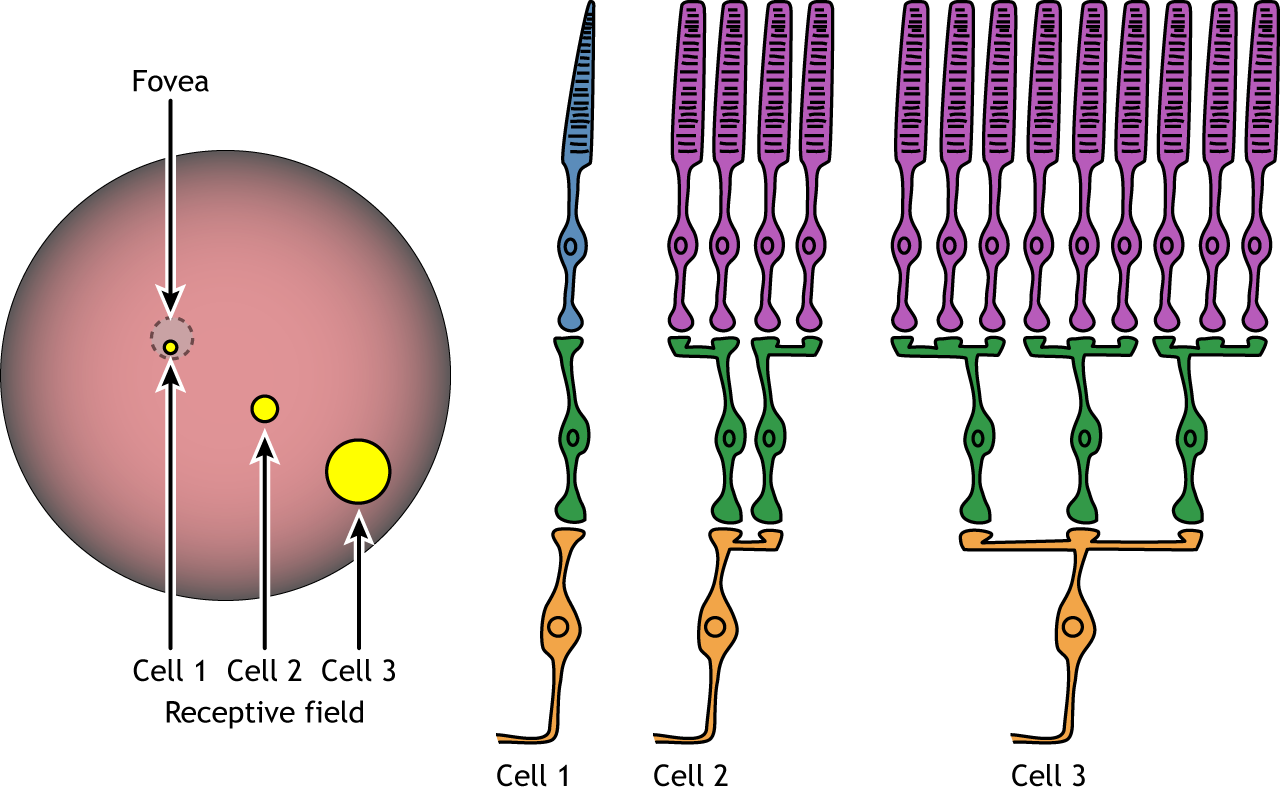
“Receptive fields”

  • Area on sensory surface (e.g., retina, skin) that when stimulated changes neuron’s firing

Tactile

https://www.nursinghero.com/study-guides/austincc-ap1/pain

Visual

https://openbooks.lib.msu.edu/neuroscience/chapter/vision-the-retina/

https://wandell.github.io/FOV-1995/

Topographic maps

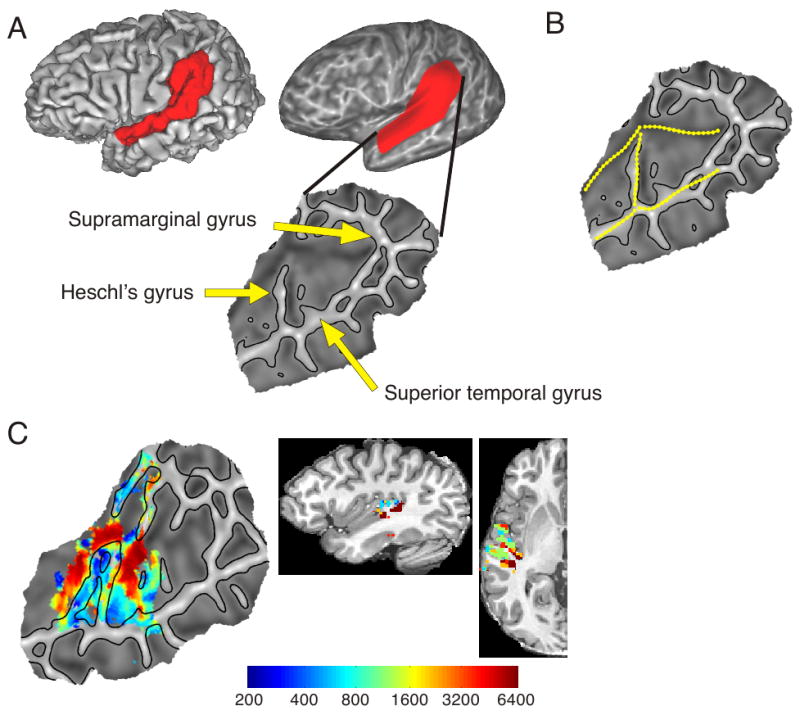
Auditory: Tonotopic maps

Humphries, Liebenthal, & Binder (2010) Figure 3

Visual: Retinotopic maps

Visual: Retinotopic maps

Dougherty et al. (2003) Figure 1

Somatotopic maps

http://bio1152.nicerweb.com/Locked/media/ch49/49_16-MotorSensoryCorts-L.jpg

Sensivity non-uniform

Visual acuity non-uniform

Wikipedia

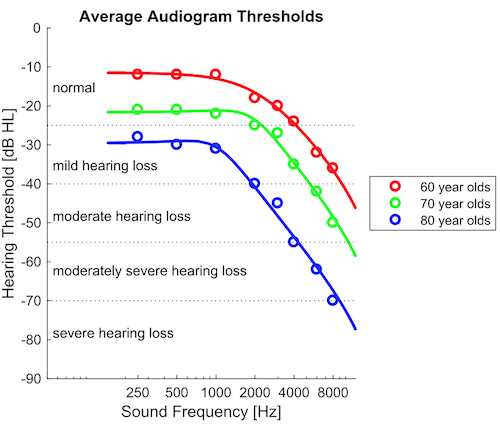
Hearing thresholds non-uniform

http://auditoryneuroscience.com/

Two-point touch thresholds

OTGeddie (2017)

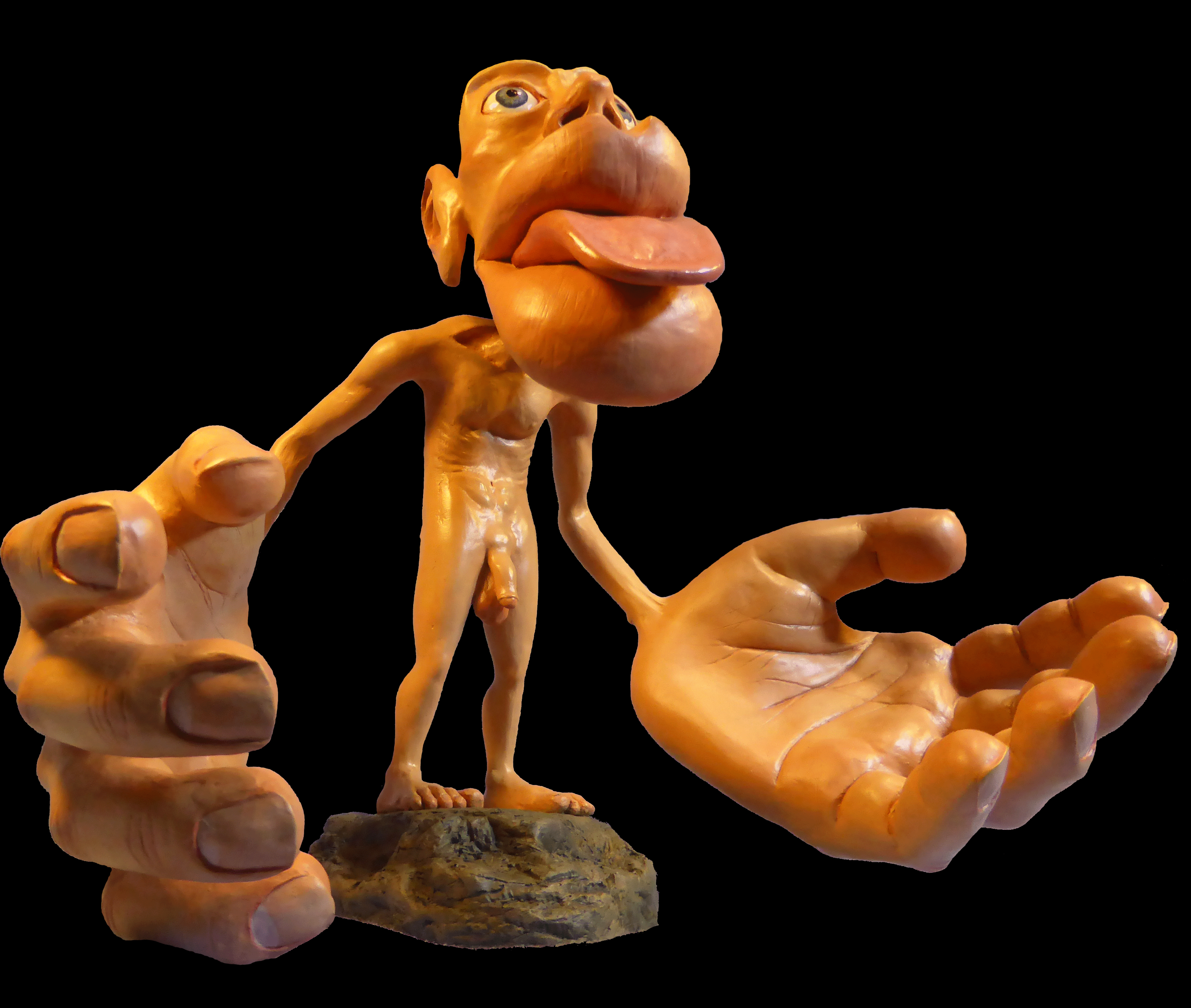
Somatosensory homunculus

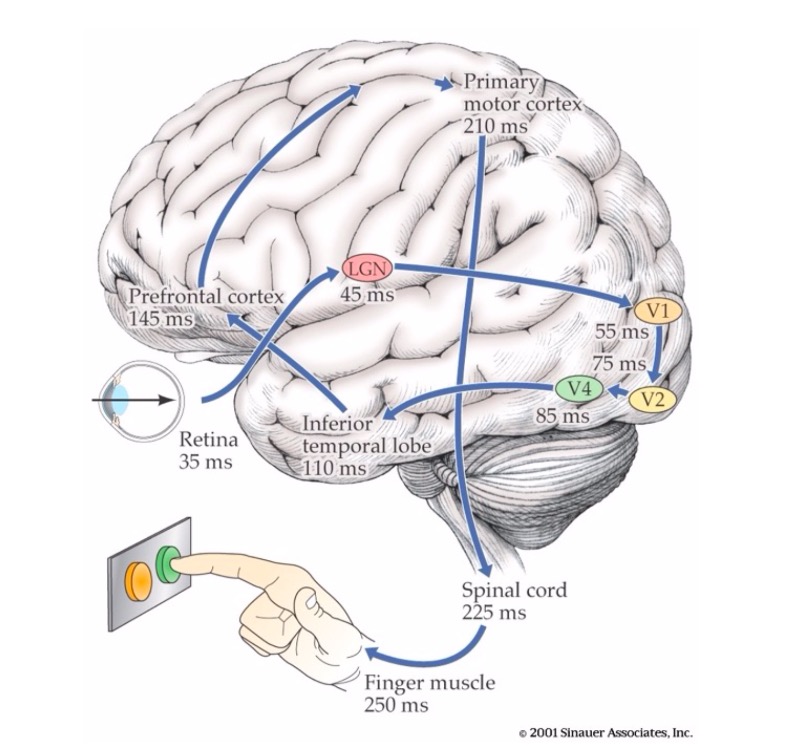
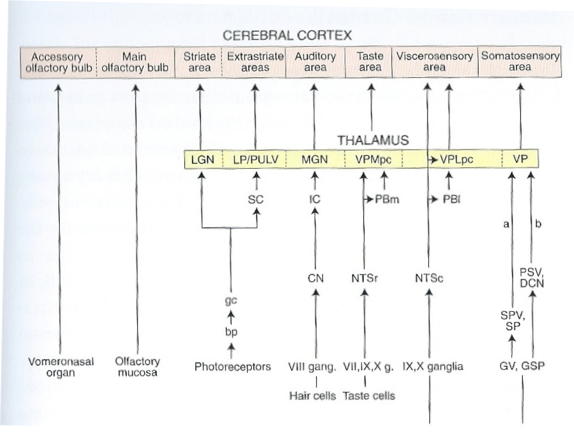
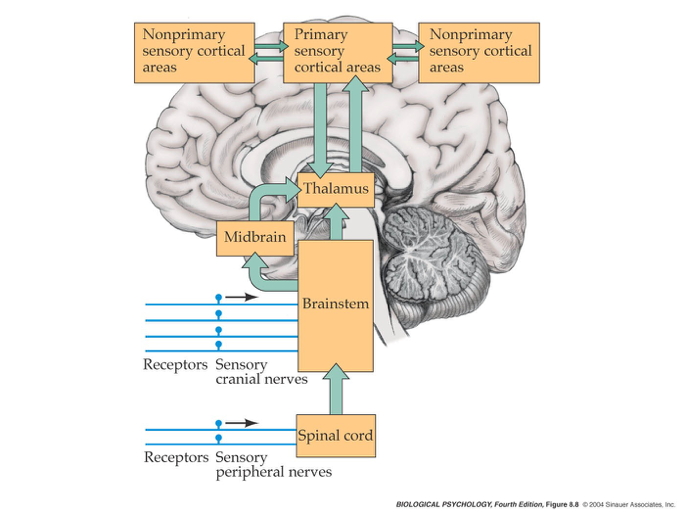
Sequential & parallel processing

Wrap up

Main points

  • Psychology originated with the study of perception
  • Closing the behavioral loop
    • from sensation to action
    • important scientific goal

Main points

  • Interoception vs. exteroception
  • Key questions for exteroception
    • What’s out there (or who)?
    • Where is it?

Main points

  • Sensory systems specialized (e.g., detect light, sound, chemicals)
  • But have similarities
  • Know more about (except interoception)
    • Easier to measure
    • Easier to access

Next time

  • Somatosensation

Resources

About

This talk was produced using Quarto, using the RStudio Integrated Development Environment (IDE), version 2025.9.2.418.

The source files are in R and R Markdown, then rendered to HTML using the revealJS framework. The HTML slides are hosted in a GitHub repo and served by GitHub pages: https://psu-psychology.github.io/psych-260-2025-fall/

References

Bargmann, C. I. (2006). Comparative chemosensation from receptors to ecology. Nature, 444, 295–301. https://doi.org/10.1038/nature05402
Barker, M., Brewer, R., & Murphy, J. (2021). What is interoception and why is it important? Frontiers for Young Minds, 9. https://doi.org/10.3389/frym.2021.558246
Chandrashekar, J., Hoon, M. A., Ryba, N. J. P., & Zuker, C. S. (2006). The receptors and cells for mammalian taste. Nature, 444, 288–294. https://doi.org/10.1038/nature05401
Dougherty, R. F., Koch, V. M., Brewer, A. A., Fischer, B., Modersitzki, J., & Wandell, B. A. (2003). Visual field representations and locations of visual areas V1/2/3 in human visual cortex. Journal of Vision, 3(10), 1–1. https://doi.org/10.1167/3.10.1
Humphries, C., Liebenthal, E., & Binder, J. R. (2010). Tonotopic organization of human auditory cortex. NeuroImage, 50, 1202–1211. https://doi.org/10.1016/j.neuroimage.2010.01.046
Medina, J. F., Repa, J. C., Mauk, M. D., & LeDoux, J. E. (2002). Parallels between cerebellum-and amygdala-dependent conditioning. Nature Reviews Neuroscience, 3(2), 122–131. https://doi.org/10.1038/nrn728
Namkung, H., Kim, S.-H., & Sawa, A. (2017). The insula: An underestimated brain area in clinical neuroscience, psychiatry, and neurology. Trends in Neurosciences, 40(4), 200–207. https://doi.org/10.1016/j.tins.2017.02.002
OTGeddie. (2017). Tactile localization. YouTube. Retrieved from https://www.youtube.com/watch?v=t97QiEiKjD8
Roark, M. W., & Stringham, J. M. (2019). Visual performance in the “real world”: Contrast sensitivity, visual acuity, and effects of macular carotenoids. Molecular Nutrition & Food Research, 63(15), e1801053. https://doi.org/10.1002/mnfr.201801053
Scripps research-led team receives $14.2M NIH award to map the body’s “hidden sixth sense.” (2025, October 8). Retrieved November 13, 2025, from https://www.scripps.edu/news-and-events/press-room/2025/20251008-nih-award.html
Swanson, L. W. (2005). Anatomy of the soul as reflected in the cerebral hemispheres: Neural circuits underlying voluntary control of basic motivated behaviors. Journal of Comparative Neurology, 493(1), 122–131. https://doi.org/10.1002/cne.20733
Swanson, L. W. (2012). Brain architecture: Understanding the basic plan. Oxford University Press.
TheWhoVEVO. (2016). The who - pinball wizard (live at the isle of wight, 1970). YouTube. Retrieved from https://www.youtube.com/watch?v=-J03yCE15rg&list=RD-J03yCE15rg&start_radio=1
Todorov, N. (2014, July 6). Did you know how many different kinds of sensors go inside a smartphone? Retrieved March 27, 2023, from https://www.phonearena.com/news/Did-you-know-how-many-different-kinds-of-sensors-go-inside-a-smartphone_id57885
Wikipedia contributors. (2025, August 17). Psychophysics. Retrieved from https://en.wikipedia.org/wiki/Psychophysics