Emotion II

2025-11-11

Rick Gilmore

Department of Psychology

Prelude

Musikladen (2020)

Cocker-Topic (2018)

Today’s topics

  • Quiz 3
  • Fear & stress
    • with a touch of empathy

Quiz 3

Fear and stress

Animal models

  • Do non-human animals experience emotion?
  • What functions might these serve?
  • Risks vs. reward of cross-species comparisons?

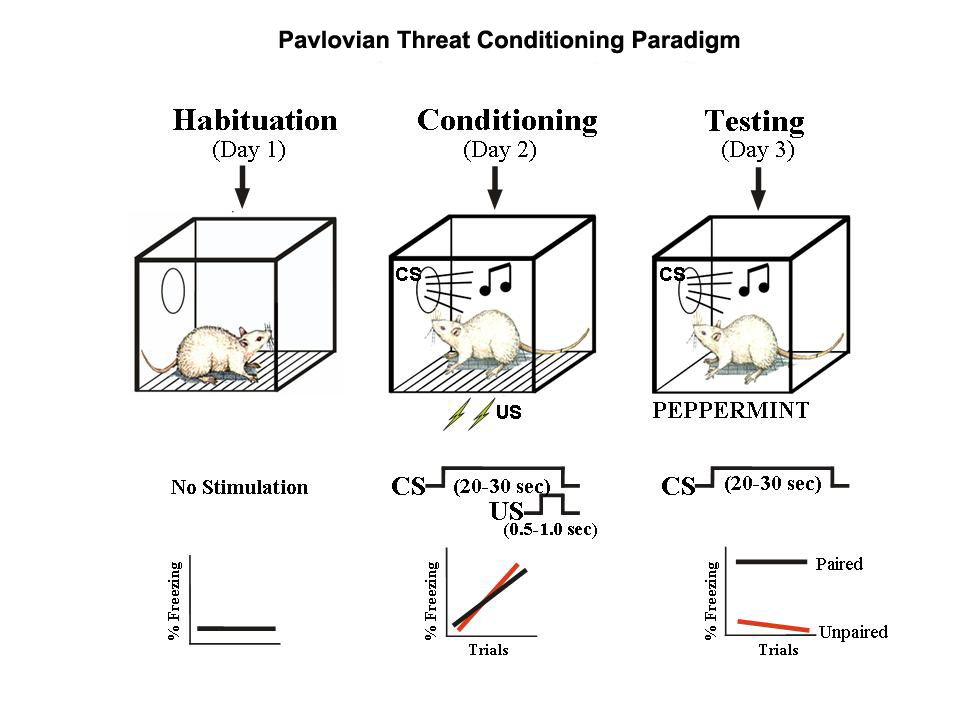
Threat (“fear”) conditioning

http://www.cns.nyu.edu/labs/ledouxlab/images/image_research/fear_conditioning.jpg

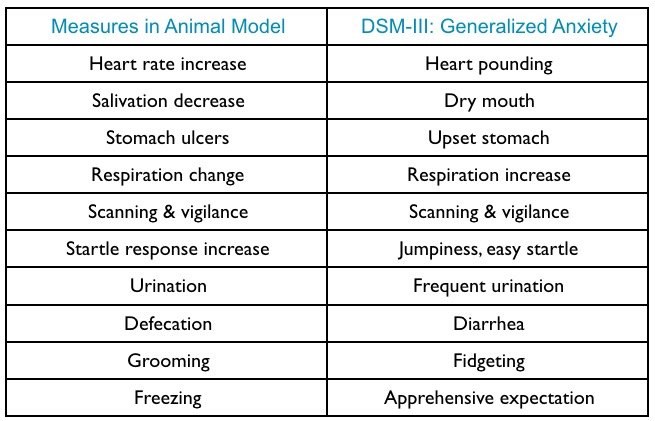
Rat vs. human

Adapted from Davis (1992)

Threat conditioning

flowchart LR
  S[sound] ---> A(auditory)
  F[shock] ---> T(somatosensory)
  A ---> L(learning)
  T ---> L
  L ---> D(freezing)
  L ---> H(blood pressure)
  L ---> C(hormones)

  • Why these responses to threat?
  • What are the pathways from stimuli to responses?

Amygdala

  • From Greek ‘almond’
  • medial temporal lobe (bilateral)

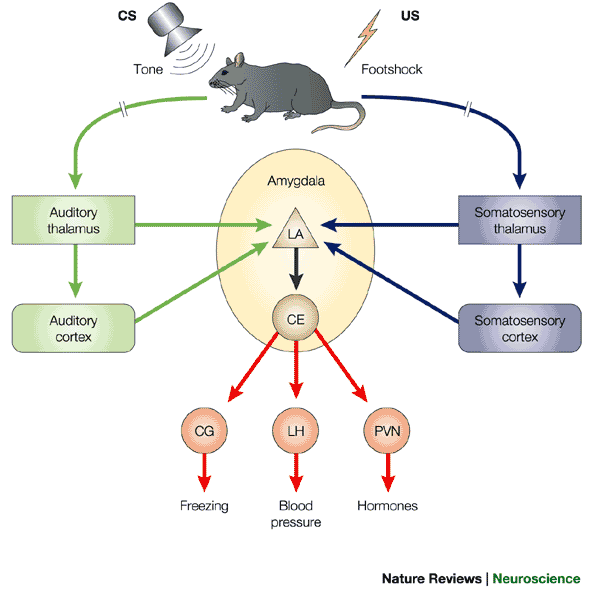
Amygdala inputs

  • Thalamus
    • “direct” or “fast”
  • Cerebral cortex
    • “indirect” or “slow”

Medina, Repa, Mauk, & LeDoux (2002) Figure 2

Amygdala outputs

  • CG (central gray matter) of tegmentum (ventral midbrain): behavior
  • LH (lateral hyp): ANS
  • PVN (paraventricular n. of hypothalamus): hormones

Medina et al. (2002) Figure 2

Amygdala role

  • Lesions of amygdala impair threat conditioning
  • Interpretation: Fast-acting, involuntary responses

Medina et al. (2002) Figure 2

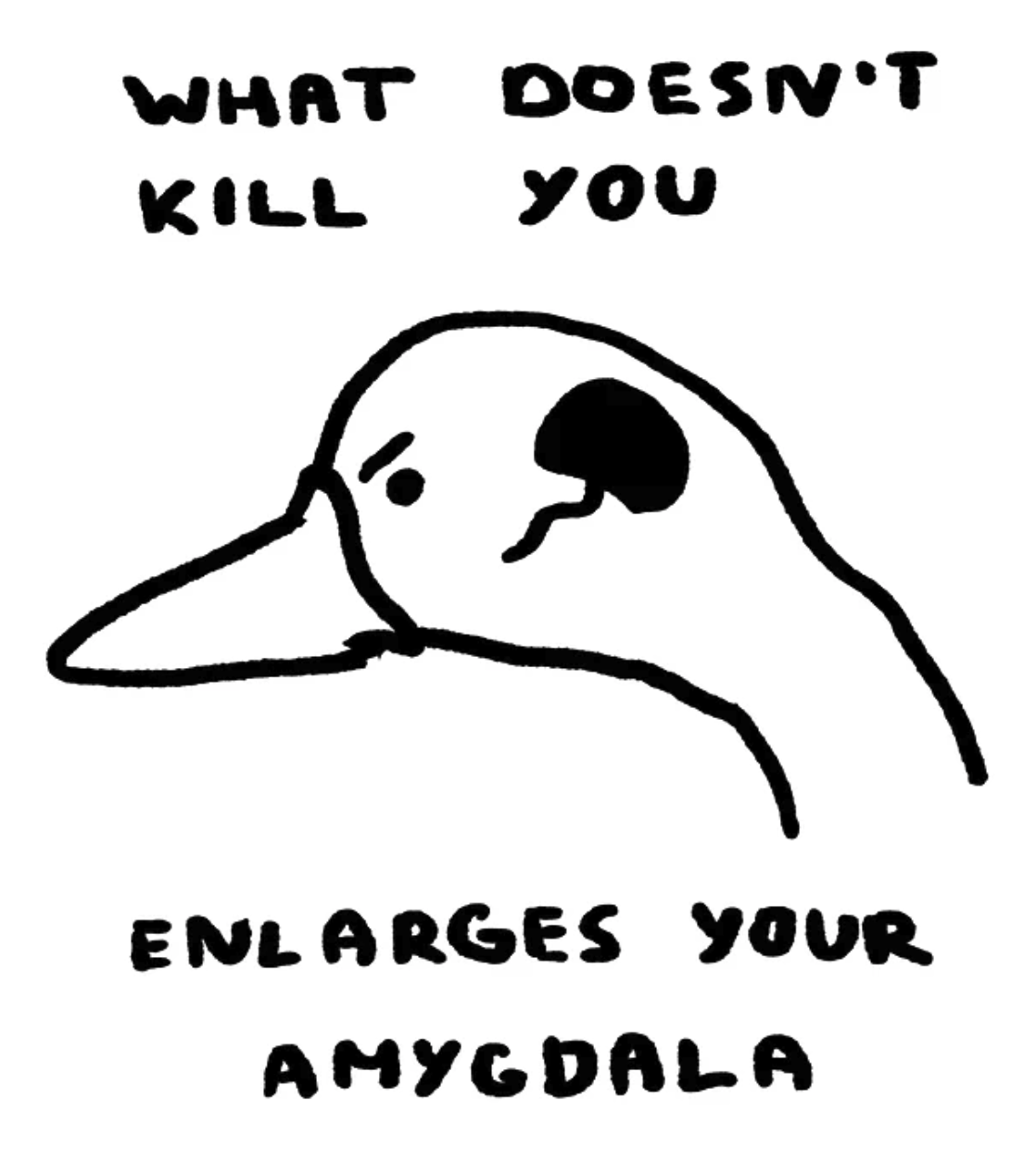
Amygdala meme

https://www.redbubble.com/i/sticker/What-Doesn-t-Kill-You-Enlarges-Your-Amygdala-by-4naans/96258094.EJUG5

Cerebral cortex role

  • Cerebral cortex lesions cause generalized response
    • Not specific to cue features
    • Response discrimination?

Cerebral cortex role

  • Interpretation
    • Fast, crude responses vs. slower, detailed ones
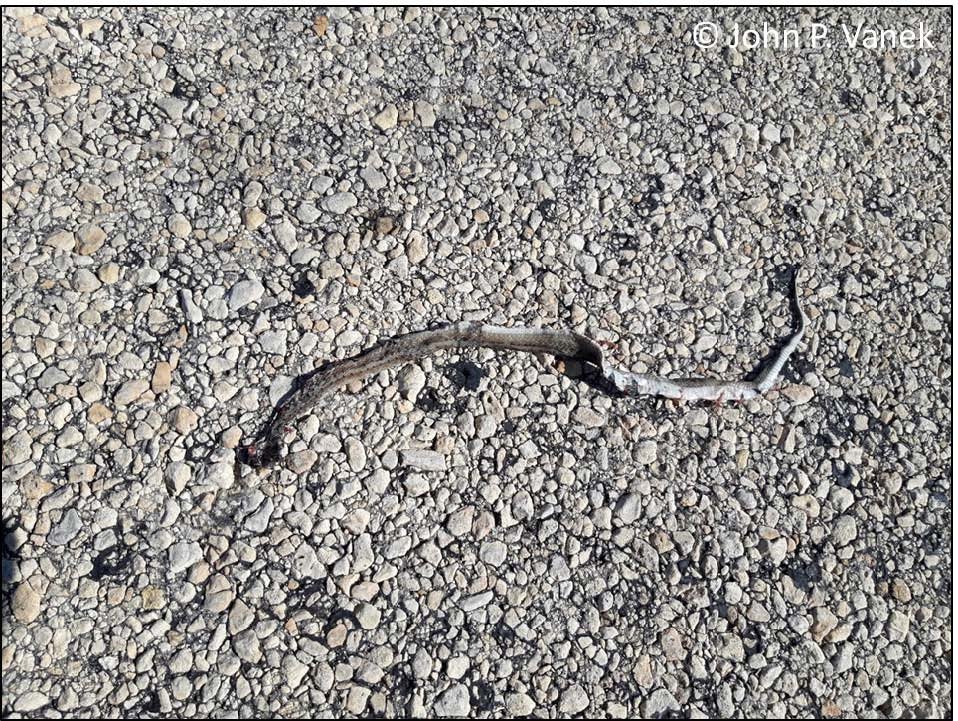
    • That’s a stick, not a snake!

Cerebral cortex role

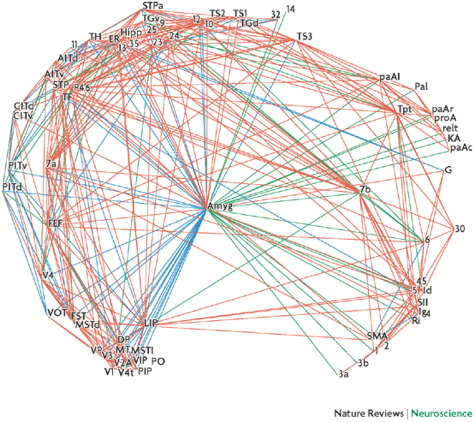
  • Amygdala widely connected
  • Emotion ==
    • subjective feelings + physiology + behaviors
    • see 2025-11-06

Amygdala as processing hub

Pessoa (2008)

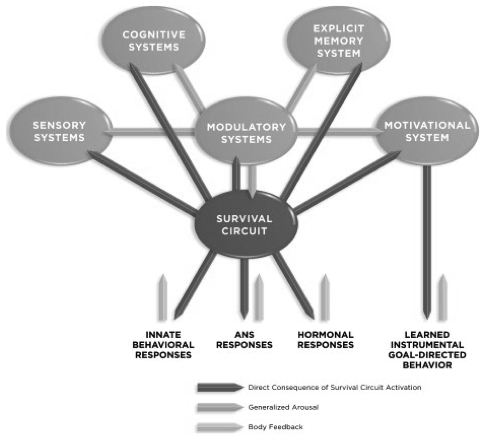
Emotions serve survival goals

LeDoux (2012) Figure 3

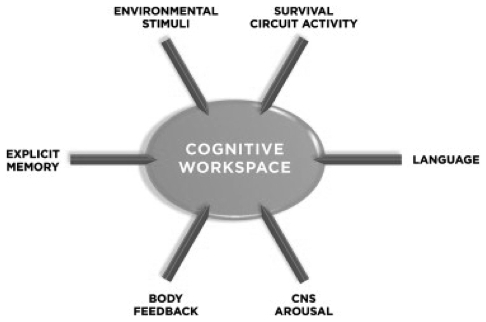
Emotions are

  • global states
  • physiological responses + behaviors

LeDoux (2012) Figure 4

From fear to stress…

Giphy

Stressors linked with biological imperatives

  • Sustenance
    • Hunger, thirst
  • Well-being/defense
    • Threat
  • Reproduction
    • Rejection
  • Affiliation
    • Loneliness
  • Social relationships critical to human biology
  • Many human stressors have social underpinnings

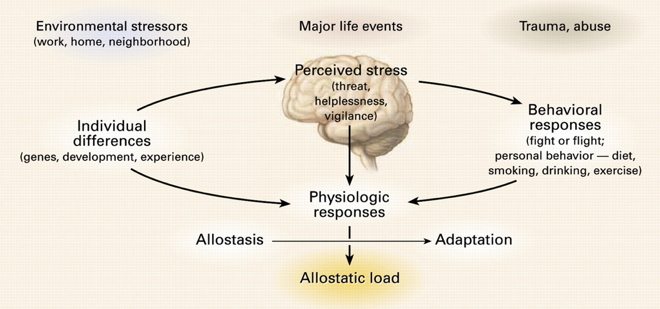
Stress and the brain

B. S. McEwen (2007) Figure 1

Homeostasis

  • Maintenance of stable internal environment
    • e,g., Regulation of physiological variables (e.g., blood \(O_2\)) via negative feedback (Cannon, 1929)
  • Stable internal environments or adaptive ones?

Allostasis

  • Sterling (1988)
  • Adaptation to changing external conditions
  • Regulation an active process
  • Regulation anticipatory, varies by circumstance
  • Regulation targets vary (Ramsay & Woods, 2014)

https://en.wikipedia.org/wiki/Paula_Radcliffe

Stress and the brain

  • Acute stress
    • Short duration
    • Fast action required
      • e.g., fight, flee, freeze
    • HPA (Cortisol), SAM (NE/Epi) axes
  • vs. Chronic stress
    • Long duration, persistent
    • Prolonged coping required
  • What happens to HPA, SAM systems?

Glucocorticoid (CORT) release

  • Adrenal cortex releases cortisol
    • Increases blood glucose levels
    • Suppresses immune system
    • Reduces inflammation
    • Aids in metabolism
  • Receptors in brain and body

Wikipedia contributors (2025)

CORT

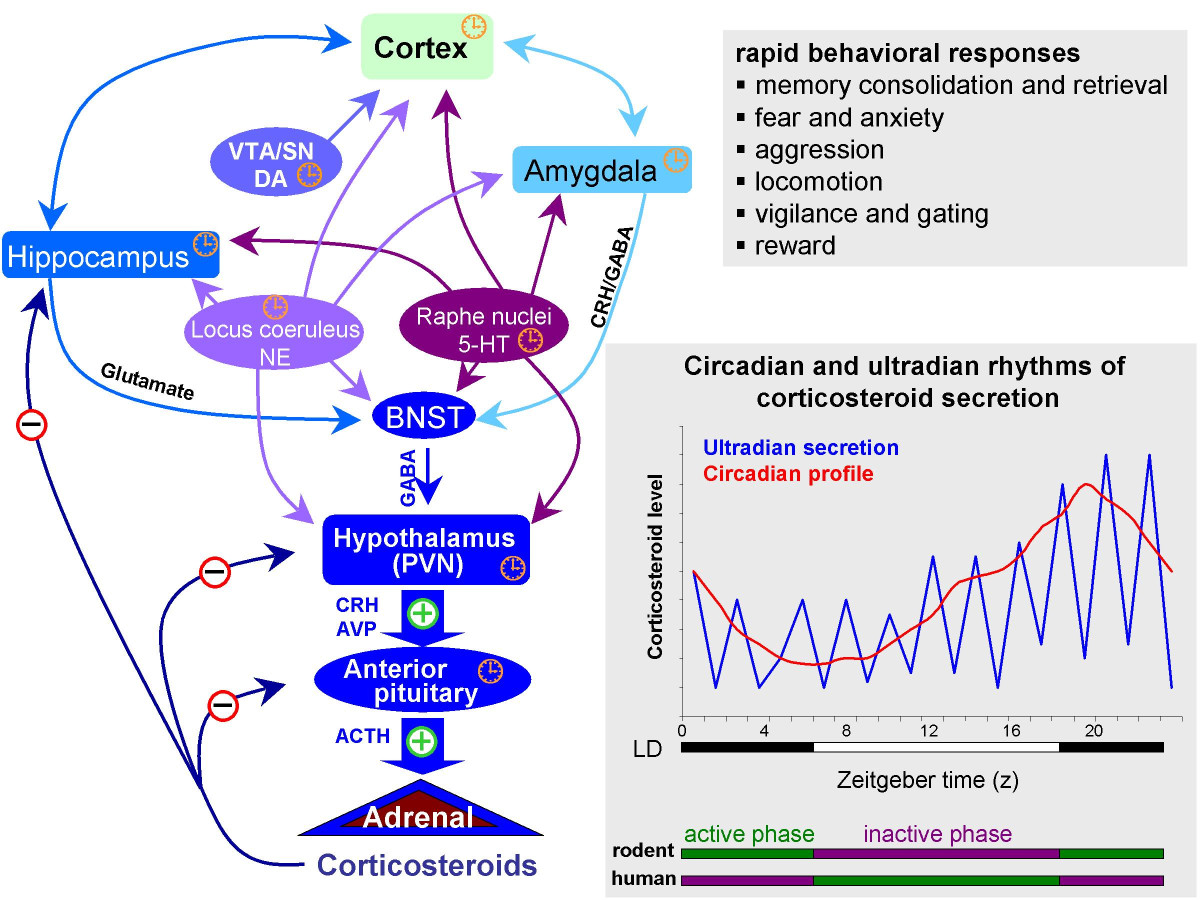
  • Circadian rhythm to release
  • Peak ~30 min of morning awakening in humans

http://www.molecularbrain.com/content/figures/1756-6606-3-2-1-l.jpg

Glucocorticoid cascade hypothesis

  • CORT receptors in hippocampus, amygdala, hypothalamus
    • Hippocampus regulates HPA axis via hypothalamus

http://www.molecularbrain.com/content/figures/1756-6606-3-2-1-l.jpg

Glucocorticoid cascade hypothesis

  • Prolonged CORT \(\downarrow\) hippocampus response
    • \(\downarrow\) volume, connectivity in hippocampus

http://www.molecularbrain.com/content/figures/1756-6606-3-2-1-l.jpg

Glucocorticoid cascade hypothesis

  • Hippocampus critical for long-term memory formation
  • Acute stress can \(\uparrow\) memory
  • Chronic stress \(\downarrow\) long-term memory (Schwabe, 2025)

http://www.molecularbrain.com/content/figures/1756-6606-3-2-1-l.jpg

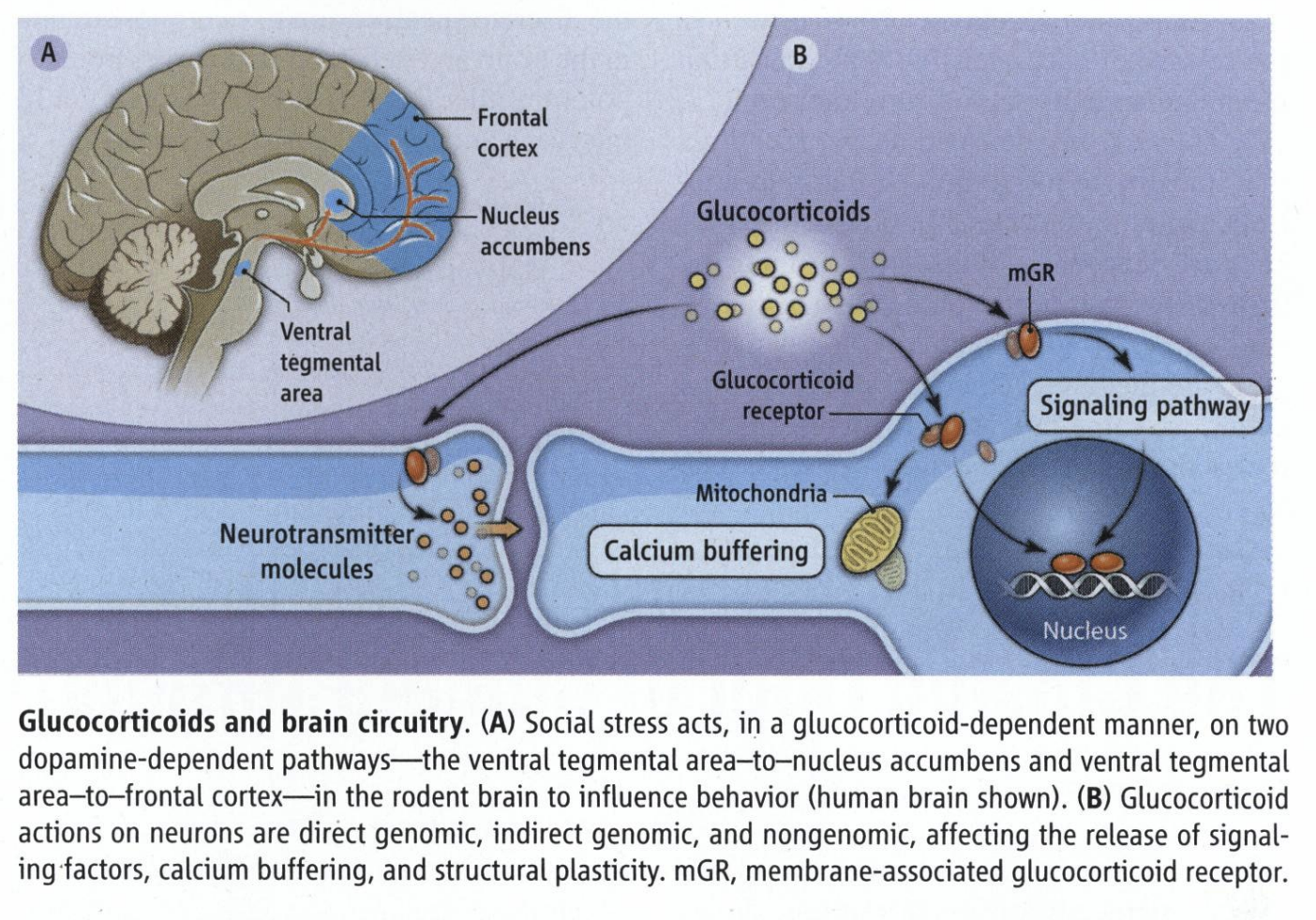
Glucocorticoids & DA

Bruce S. McEwen (2013)

Glucocorticoid cascade hypothesis

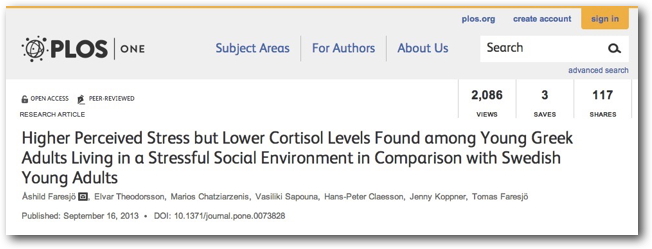
Faresjö et al. (2013)

  • CORT -> stress link not straightforward

Your stress ain’t like mine

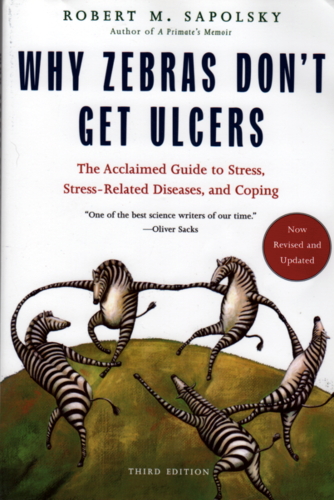
  • Zebras (probably) don’t worry about predation by lions
  • Phasic (short-term) vs. chronic (long-term)
  • Physical stress (hunger, thirst, injury, disease) vs. psychological/social stress

R. Sapolsky (1994)

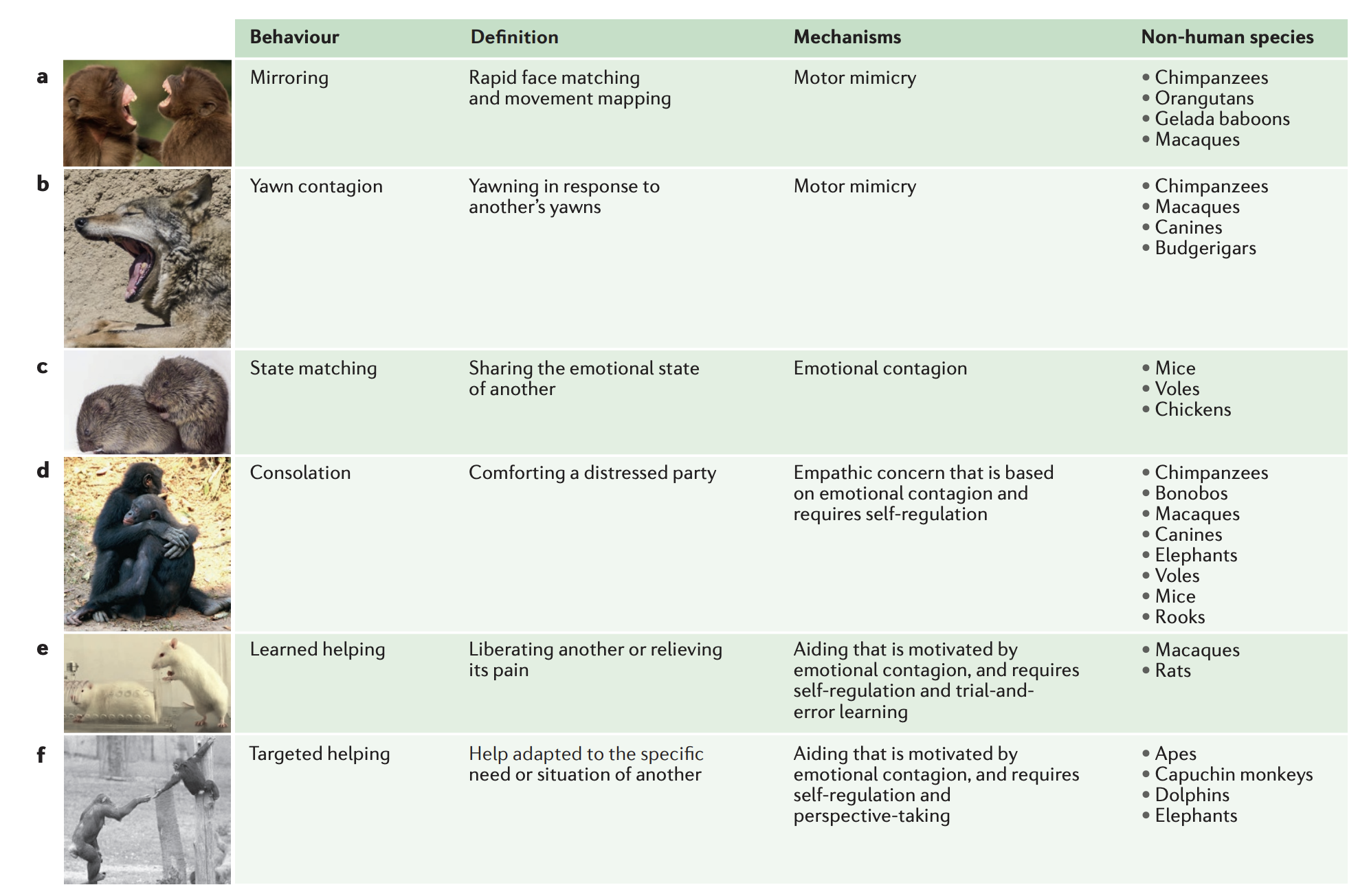
Social distress & empathy

  • Some non-human animals demonstrate sensitivity to conspecifics’ distress
  • Pain thresholds lower (sensitivity greater) when a mouse’s cage mate is also in pain (Smith, Hostetler, Heinricher, & Ryabinin, 2016)
    • But no CORT \(\uparrow\)
  • Rats will cooperate to release distressed cage mate, foregoing food rewards

R. M. Sapolsky (2016)

Empathy in non-human animals

Waal & Preston (2017) Figure 2

Do rats feel empathy? (1969)

Wrap up

Main points

  • Fear responses include behavior, physiology, internal states
  • Parallels between human and non-human animal responses
  • Like happiness and pleasure, fear engages network of brain systems
  • Amygdala key node in this network, but connects widely

Main points

  • Stressors arise from multiple sources
  • Acute (short-term) vs. chronic (long-term) distinction crucial
  • Corticosteroid receptors found across the CNS
  • Glucorticoid cascade hypothesis
  • Some animals respond to others’ distress

Next time

  • Sensory systems

Resources

About

This talk was produced using Quarto, using the RStudio Integrated Development Environment (IDE), version 2025.9.2.418.

The source files are in R and R Markdown, then rendered to HTML using the revealJS framework. The HTML slides are hosted in a GitHub repo and served by GitHub pages: https://psu-psychology.github.io/psych-260-2025-fall/

References

Cannon, W. B. (1929). Organization for physiological homeostasis. Physiological Reviews, 9, 399–431. https://doi.org/10.1152/physrev.1929.9.3.399
Cocker-Topic, J. (2018). With a little help from my friends. YouTube. Retrieved from https://www.youtube.com/watch?v=McB9sJqHFx4&list=RDMcB9sJqHFx4&start_radio=1
Davis, M. (1992). The role of the amygdala in fear-potentiated startle: Implications for animal models of anxiety. Trends in Pharmacological Sciences, 13, 35–41. https://doi.org/10.1016/0165-6147(92)90014-W
Do rats feel empathy? (1969). NOVA ScienceNow. Retrieved from https://www.pbslearningmedia.org/resource/nvsn6.sci.bio.rats/do-rats-feel-empathy/
Faresjö, Å., Theodorsson, E., Chatziarzenis, M., Sapouna, V., Claesson, H.-P., Koppner, J., & Faresjö, T. (2013). Higher Perceived Stress but Lower Cortisol Levels Found among Young Greek Adults Living in a Stressful Social Environment in Comparison with Swedish Young Adults. PLoS ONE, 8(9), e73828. https://doi.org/10.1371/journal.pone.0073828
LeDoux, J. (2012). Rethinking the Emotional Brain. Neuron, 73(4), 653–676. https://doi.org/10.1016/j.neuron.2012.02.004
McEwen, B. S. (2007). Physiology and Neurobiology of Stress and Adaptation: Central Role of the Brain. Physiological Reviews, 87(3), 873–904. https://doi.org/10.1152/physrev.00041.2006
McEwen, Bruce S. (2013). Neuroscience. Hormones and the social brain. Science (New York, N.Y.), 339, 279–280. https://doi.org/10.1126/science.1233713
Medina, J. F., Repa, J. C., Mauk, M. D., & LeDoux, J. E. (2002). Parallels between cerebellum-and amygdala-dependent conditioning. Nature Reviews Neuroscience, 3(2), 122–131. https://doi.org/10.1038/nrn728
Musikladen. (2020). Stevie wonder - don’t you worry ’bout a thing (1974). YouTube. Retrieved from https://www.youtube.com/watch?v=mMTkujnftIs&list=RDmMTkujnftIs&start_radio=1
Pessoa, L. (2008). On the relationship between emotion and cognition. Nature Reviews Neuroscience, 9(2), 148–158. https://doi.org/10.1038/nrn2317
Ramsay, D. S., & Woods, S. C. (2014). Clarifying the roles of homeostasis and allostasis in physiological regulation. Psychological Review, 121, 225–247. https://doi.org/10.1037/a0035942
Sapolsky, R. (1994). Why zebras don’t get ulcers. New York, NY: W.H. Freeman.
Sapolsky, R. M. (2016). Psychiatric distress in animals versus animal models of psychiatric distress. Nature Neuroscience, 19, 1387–1389. https://doi.org/10.1038/nn.4397
Schwabe, L. (2025). Memory under stress: From adaptation to disorder. Biological Psychiatry, 97, 339–348. https://doi.org/10.1016/j.biopsych.2024.06.005
Smith, M. L., Hostetler, C. M., Heinricher, M. M., & Ryabinin, A. E. (2016). Social transfer of pain in mice. Science Advances, 2, e1600855. https://doi.org/10.1126/sciadv.1600855
Sterling, P. (1988). Allostasis : A new paradigm to explain arousal pathology. Handbook of Life Stress, Cognition and Health. Retrieved from https://ci.nii.ac.jp/naid/10019518960/
Waal, F. B. M. de, & Preston, S. D. (2017). Mammalian empathy: Behavioural manifestations and neural basis. Nature Reviews. Neuroscience, 18, 498–509. https://doi.org/10.1038/nrn.2017.72
Wikipedia contributors. (2025, November 7). Hypothalamic–pituitary–adrenal axis. Retrieved from https://en.wikipedia.org/wiki/Hypothalamic%E2%80%93pituitary%E2%80%93adrenal_axis